
Eastern Larch: Characteristics, Uses, and Vulnerabilities


Introduction
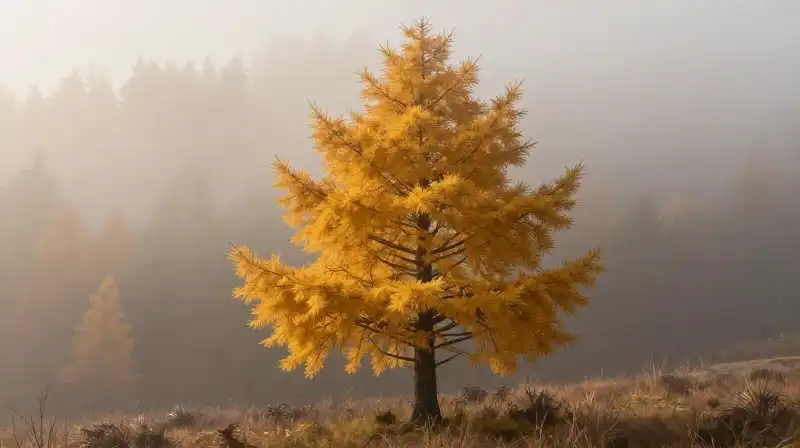
The Eastern Larch (*Larix laricina*), commonly known as tamarack or hackmatack, stands out among conifers for a rare and striking trait: it is a deciduous tree. While most conifers remain evergreen year-round, Eastern Larch sheds its needles annually, transitioning from a deep blue-green to a brilliant golden yellow before they drop in autumn. Native to the boreal forests of Eastern Canada, Alaska, and the Northeastern United States, it is an ecological specialist, thriving in conditions that challenge most other trees.
Often serving as a pioneer species, the Eastern Larch is uniquely adapted to wet, low-lying environments—including bogs, swamps, and muskegs. Its survival relies on high cold tolerance (withstanding temperatures down to at least -62°C) and an inherent resilience in challenging soils. It is this unique blend of ecological specialization and historical resource value that makes understanding its characteristics, applications, and vulnerabilities essential.
Biological Profile and Distinctive Features
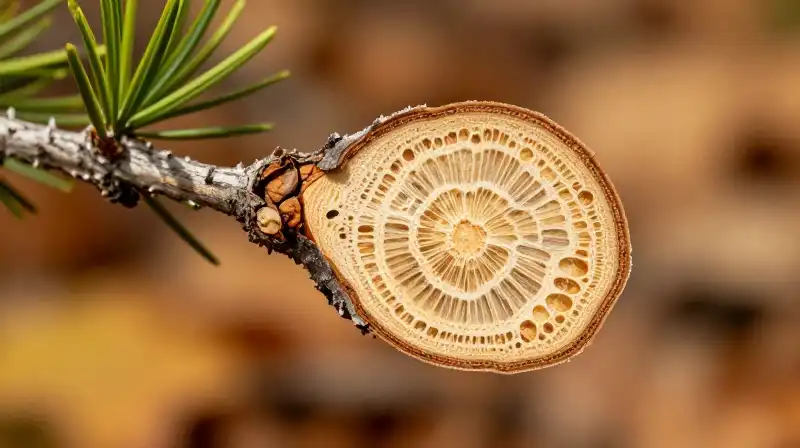
Identifying the Eastern Larch involves recognizing its specific physical and biological attributes, many of which distinguish it from its western counterparts. Biologically, it is a “deciduous conifer,” meaning it combines the needle-like foliage of conifers with the annual leaf-shedding cycle of hardwoods.
Key physical characteristics include:
- Growth Habit: The tree typically grows into a straight, tapering trunk, reaching significant heights of 15 to 23 meters (40 to 80 feet) in full sunlight. It is highly shade-intolerant, requiring clear, full exposure to thrive.
- Bark and Foliage: In its juvenile stage, the bark is smooth and gray. Upon maturity, it takes on a distinct reddish hue. The needles are short, thin, and soft to the touch, providing a soft blue-green canopy in summer.
- Reproduction: The cones of the Eastern Larch are small (ranging from 1/2 to 3/4 inch) and possess a characteristic deep maroon coloration.
Ecology and Ideal Habitat for Growth
Unlike many species that prefer well-drained uplands, Eastern Larch is a specialist in hydric, low-lying ecosystems. Its primary strong point is its adaptability to moisture; it flourishes in wet, peaty environments such as fens and bogs. However, its shallow root system dictates certain limits to its preferred conditions.
When considering the Eastern Larch for landscaping or forestry, understanding its environmental needs is crucial:
Range and Range Map: The native range of the Eastern Larch spans vast areas, including Eastern Canada, the Northwest Territories, Alaska, and significant portions of the Northeast United States.
Growth Limitations: While it can survive in both dry upland soils and wet swamps, its slender root structure makes it inherently sensitive to certain external forces. High-speed winds and abnormally high water levels can cause physical damage and instability.
Uses of Eastern Larch Wood: Historical and Modern Application
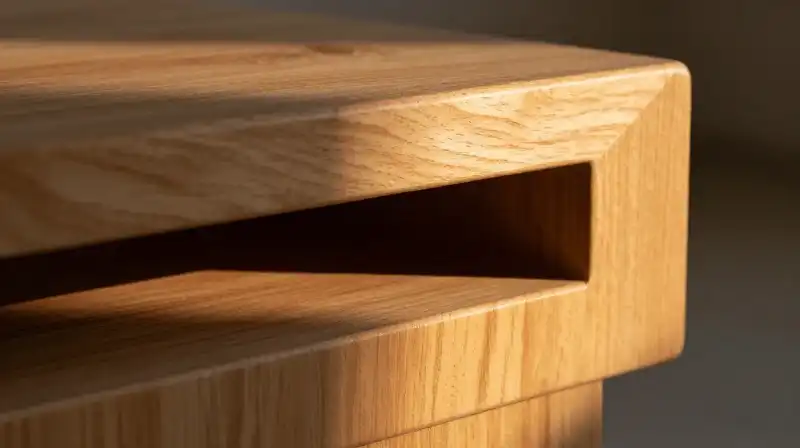
Eastern Larch has long been valued for its robust and decay-resistant wood. Historically, the tree’s durability led to its practical use in essential Indigenous and colonial tools and structures.
Modern and historical applications include:
- Construction and Furniture: Its hardness and decay resistance make it suitable for durable lumber, post construction, and specialized furniture. It has also been utilized in building railway cross-ties.
- Traditional Craft: Historically, the slender, durable roots and wood were employed for making canoe and boat knees, demonstrating its early utility in practical transport.
- Ornamental and Commercial: Today, it is used commercially for pulpwood production and construction timber. Furthermore, it is highly valued by specialized growers for use in bonsai, where its unique shape and seasonal change are aesthetically desirable.
Vulnerabilities and Potential Damage Assessment
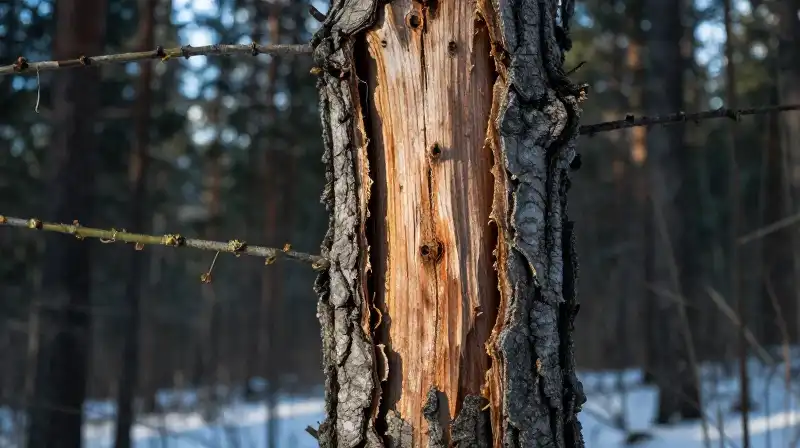
While durable, Eastern Larch is not immune to stress, particularly from biological agents and extreme weather. Identifying these vulnerabilities allows for better management and avoids the loss of specimens.
Common Biological Threats:
- Insects: Significant defoliation can be caused by insect pests, most notably the larch sawfly and larch casebearer. The eastern larch beetle also poses a threat, contributing to susceptibility to damage.
- Pathogens: The species is susceptible to certain fungal diseases, such as the Lachnellula willkommii fungus. This pathogen can manifest as large cankers, leading to serious disease and potential death.
Environmental Risks (Cons of Larch Wood and Tree Health):
When evaluating the Eastern Larch, it is important to balance its strength against its weaknesses. The primary “cons” involve its environmental sensitivity and structural limits:
- Wind and Water: Its shallow root system limits its resistance to high-speed winds, making it susceptible to uprooting or structural damage. Similarly, extreme fluctuations in water level can damage the roots.
- Shade Sensitivity: Because it is highly shade-intolerant, improper planting or growth in dense forest cover will severely limit its vigor and overall health.
Navigating Common Larch Queries
Understanding the nuances of the Eastern Larch often clarifies common points of confusion regarding its nature, value, and practical application.
What is so special about Eastern Larch?
Its specialty lies in its dual nature: being a conifer that annually sheds its needles. This deciduous trait, combined with its extreme cold hardiness and ability to pioneer disturbed, wet environments, makes it ecologically unique.
Eastern Larch for Sale: Decision Criteria
If you are considering acquiring a specimen, note that the tree’s health is tied to the soil. Prioritize sourcing plants that are already established in appropriately moist, well-drained soil and ensure the location provides maximum sunlight. Given its tendency to grow into a straight, tapering form, it is often ideal for windbreak or ornamental planting in open areas.
Practical Precautions for Eastern Larch Management
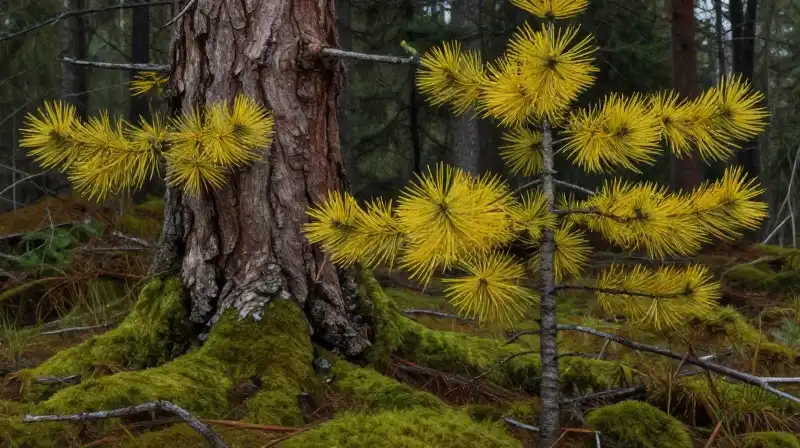
To successfully maintain an Eastern Larch, focus on mitigating the identified risks: biological pressure and root instability.
The following management practices help optimize the tree’s life span:
- Soil Maintenance: Ensure the root zone remains stable. If placing the tree in a high-velocity wind zone, consider using windbreaks or planting it with strong, complementary shrubs to stabilize the microclimate.
- Pest Monitoring: Regularly inspect the foliage for signs of defoliation or the presence of larvae from the larch sawfly or larch casebearer. Prompt removal of infested material is crucial to limit spread.
- Spacing: Do not plant Eastern Larch in tight groves. Since it is highly shade-intolerant, adequate spacing is necessary to prevent competition for light and maintain the necessary environmental conditions for it to reach its full height and health.
By understanding its biological limits and its specific vulnerabilities, you can leverage the durable beauty and ecological role of the Eastern Larch while protecting your investment against the hazards of pests and environmental stress.
Frequently Asked Questions
What is eastern larch?
Eastern Larch, also known as tamarack or hackmatack, is a deciduous conifer that combines the needle-like foliage of conifers with the annual leaf-shedding cycle of hardwoods. It is ecologically unique for its extreme cold tolerance and ability to thrive in wet, low-lying environments like bogs and swamps.
What is so special about larch?
Eastern Larch is special because it is a deciduous conifer that annually sheds its needles. This unique trait, combined with its extreme cold hardiness and ability to pioneer disturbed, wet environments, makes it ecologically unique.
What are the cons of larch wood?
The primary cons involve the trees environmental sensitivity and structural limits, such as having a shallow root system that is susceptible to damage from high-speed winds and extreme water fluctuations. Additionally, the Eastern Larch is highly shade-intolerant and can be damaged by insect pests like the larch sawfly or fungal diseases.
Practical Management of Eastern Larch
Maintain Soil Stability
Ensure the root zone remains stable. If placing the tree in a high-velocity wind zone, consider using windbreaks or planting it with strong, complementary shrubs to stabilize the microclimate.
Monitor for Pests
Regularly inspect the foliage for signs of defoliation or the presence of larvae from the larch sawfly or larch casebearer. Prompt removal of infested material is crucial to limit spread.
Ensure Proper Spacing
Do not plant Eastern Larch in tight groves. Since it is highly shade-intolerant, adequate spacing is necessary to prevent competition for light and maintain the necessary environmental conditions for it to reach its full height and health.
Related Articles