Beyond the Kernel: The Many Industrial Uses of Rice Hulls

Introduction
Rice hulls, often considered a mere byproduct of the milling process, represent a highly versatile lignocellulosic resource. These hard, protective coverings of rice grains are not waste; they are materials with significant industrial, agricultural, and technical applications. Composed primarily of opaline silica and lignin, rice hulls possess a unique combination of chemical properties and physical characteristics—including high calorific value, low density, and excellent thermal retention—that make them valuable far beyond the grain itself. Understanding the properties of rice hull material is key to utilizing its potential, whether you are considering its use as a sustainable fuel source, a component in advanced concrete, or a substrate for hydroponics.
What are Rice Hulls and Their Fundamental Properties?
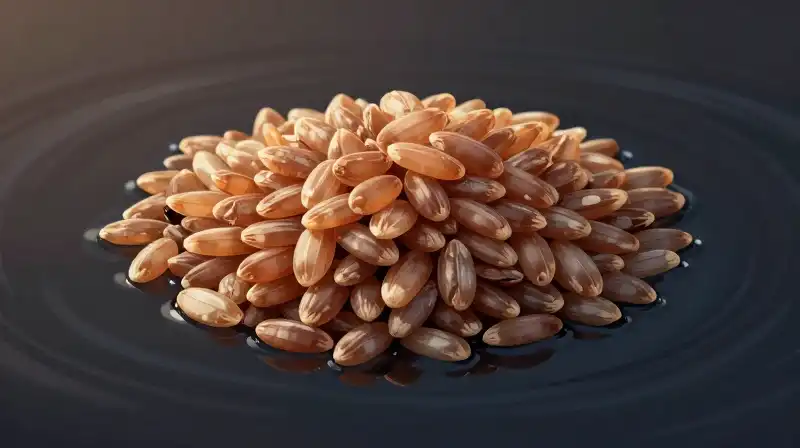
Rice hulls (or husks) are the outer protective layer of the rice kernel, captured during the milling process. They are classified as lignocellulosic materials. This composition is critical to their applications; the high content of silica provides structure, while the lignin and cellulose components give them high heat capacity and mechanical strength when processed into composites.
Ground rice hulls are typically utilized in applications requiring consistent particle size, such as fuel and feed. Ungrounded rice hulls maintain their original bulky structure, making them ideal for applications requiring loft, drainage, and physical cushioning, such as bedding or garden mulch. The compositional profile of ground rice hulls, which features a minimum of 1.00% crude protein and a maximum crude fiber content of 50.00%, dictates their utility in specific formulations.
Industrial and High-Tech Applications
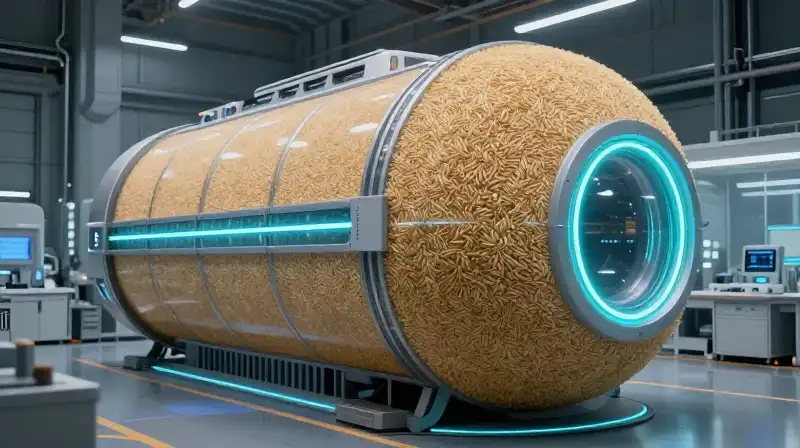
In manufacturing and engineering, the chemical composition of rice hulls allows for several high-value industrial uses, focusing heavily on energy and material science.
Energy and Industrial Power Generation
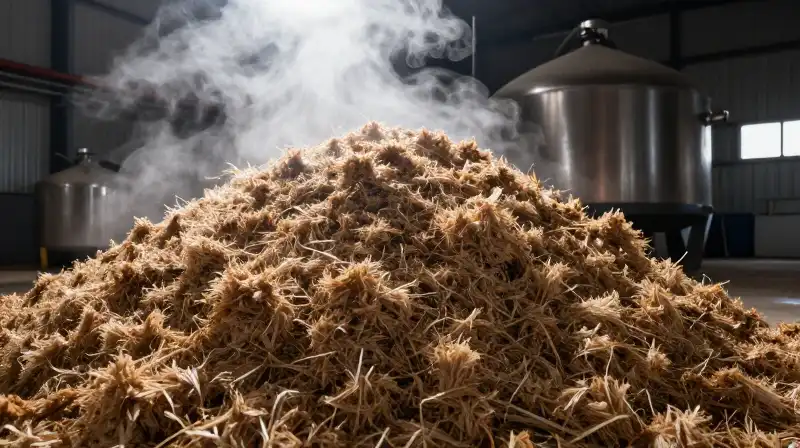
Due to their high caloric content, rice hulls are an efficient, low-cost fuel source. They are commonly used in kilns and for steam generation in industrial plants. When utilized as a ground fuel, they contribute to the generation of power, serving as a sustainable alternative to traditional fossil fuels.
Civil Engineering and Construction Materials
One of the most advanced applications involves the byproduct of burning rice hulls: rice husk ash (RHA). RHA is a potent source of reactive amorphous silica. Because of its purity and reactivity, RHA is a highly sought-after additive in civil engineering:
- Geopolymer Concrete: RHA is used as a precursor, contributing to the development of eco-friendly cement-free concrete.
- Portland Cement: It functions as a high-performance additive, potentially enhancing the durability and reducing the overall carbon footprint of traditional concrete formulations.
Advanced Manufacturing and Specialized Processes
Beyond construction, the unique attributes of rice hulls facilitate specialized manufacturing processes:
- Insulation: Owing to their low density and excellent heat retention, rice hulls function as effective thermal and physical insulating materials.
- Composites: They serve as a natural component in particle boards and cardboard, providing structural integrity and sustainable filler.
- Silica and Carbon Materials: The inherent silica content allows them to be used for producing silicon carbide “whiskers,” which are critical for reinforcing cutting tools.
- Chemical Adsorbents: Rice hull ash and hulls are used in specialized forms, including oil and chemical absorbent materials, and as robust catalyst supports.
Agricultural and Consumer Utility of Rice Hulls
For the agricultural sector and consumer goods, rice hulls are primarily valued for their physical structure, drainage, and light fiber quality.
Gardening and Horticulture
In agriculture, rice hulls serve as an excellent substrate and growing medium. They are widely integrated into potting soil mixes and used as landscape mulch. Their structure provides superior drainage while retaining moisture, making them ideal for various gardening applications, including complex hydroponic systems.
Animal and Consumer Feed/Bedding
Ground rice hulls are utilized as a filler in livestock feed formulations. Unground rice hulls, due to their bulky, porous nature, are suitable for use as bedding in poultry houses. Furthermore, rice hulls find practical use in consumer products, such as natural fiber filler in pet food and as stuffing in various household items like pillows.
Addressing Safety: Are Rice Hulls Safe to Eat?
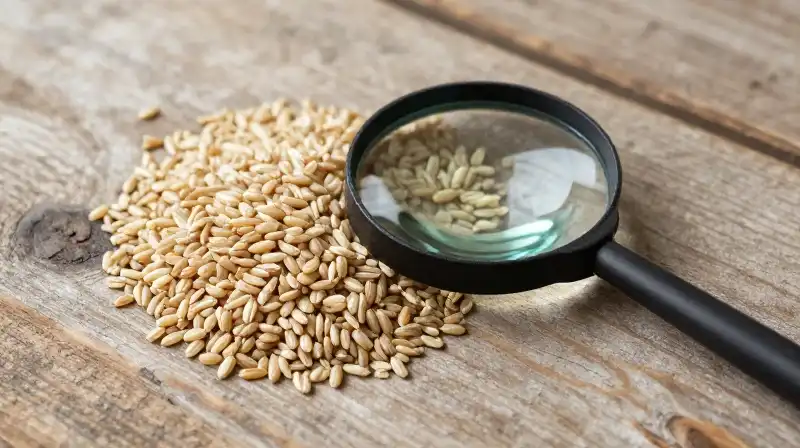
A critical distinction must be made between industrial material and consumable food. Rice hulls are the protective outer layer of the grain and are considered a byproduct, not a nutritional component. As they are utilized and generally processed for industrial or agricultural applications, they contain virtually no nutritional value when consumed as-is. For consumption, rice hulls must be either removed during processing or extensively processed and formulated into a food-safe manner, which is generally not their primary application.
Decision Guide: Selecting the Right Hull Application
The utility of rice hulls hinges entirely on their processed state and the intended use. To avoid errors in application, consider the following criteria when deciding whether to use ground or unground hulls:
| Application Type | Preferred State | Reasoning/Criteria |
|---|---|---|
| Fuel Generation / Feed Filler | Ground | Provides consistent particle size needed for efficient combustion and uniform mixing in feed. |
| Gardening Substrate / Mulch | Ungrounded | Maintains bulk, loft, and porosity, ensuring good drainage in soil mixes. |
| High-Performance Composites | Processed/Engineered | Requires specific grinding and purification to meet stringent engineering requirements. |
| Poultry Bedding / Consumer Filler | Ungrounded | Physical structure provides necessary loft and cushioning. |
Choosing a hull material depends on balancing cost-effectiveness with the required performance specifications, such as drainage capacity (for gardening) or calorific efficiency (for fuel).
Practical Considerations and Limitations

While rice hulls are a highly versatile resource, their effectiveness is constrained by specific conditions. When considering their use, remember that they are categorized by their processed state (ground for feed/fuel, unground for agriculture). While the crude protein and fat content of ground hulls offer some utility in livestock formulations, they should be viewed as a structural and fibrous addition rather than a primary nutritional source. Furthermore, if the application requires pure mineral content—as in the development of geopolymer concrete—the specific processing step of converting the hull into high-quality Rice Husk Ash (RHA) is essential to maximize the reactive amorphous silica content.
Frequently Asked Questions
Are rice hulls okay to eat?
Rice hulls are a byproduct, and generally contain virtually no nutritional value when consumed as-is. For consumption, they must be either removed during processing or extensively processed and formulated into a food-safe manner, which is generally not their primary application.
Related Articles