Russian Mammoth Sunflower: Growth, Uses, and Organic Benefits

Introduction
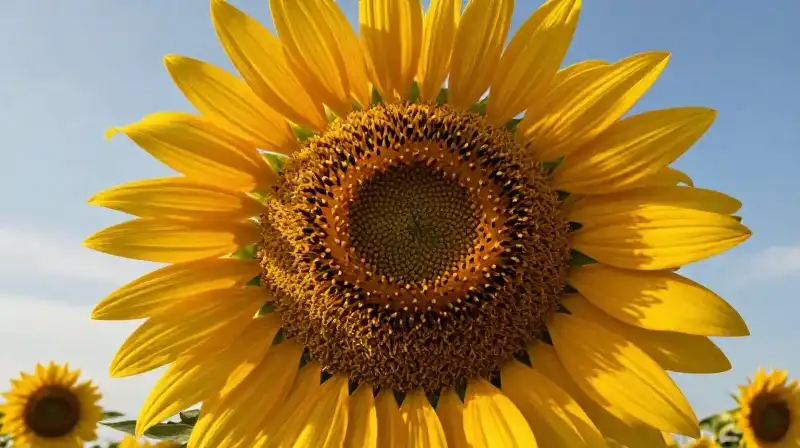
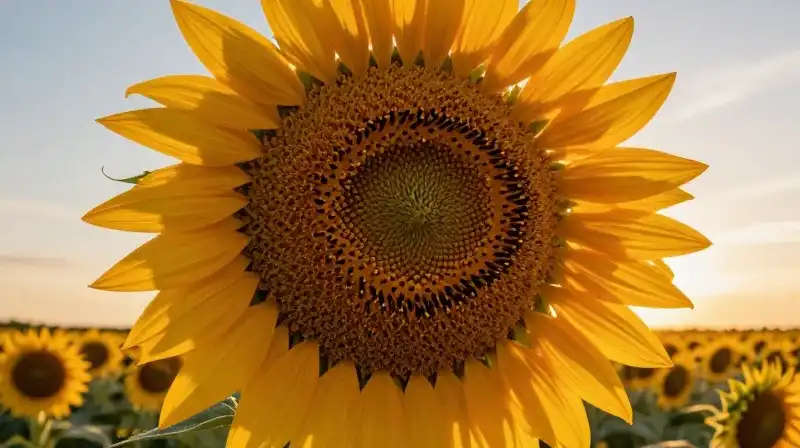
The Russian Mammoth Sunflower, officially known scientifically as Helianthus annuus, stands out among cultivated varieties due to its immense scale and practical utility. Originating in the 1880s, this heirloom variety has achieved a status as one of the most widely sought-after and reliable sunflowers for gardeners. Unlike smaller ornamental types, the Russian Mammoth Sunflowers offer a massive presence, with stems capable of reaching impressive heights of up to 12 feet and blooms that can span two feet in diameter. They are valued not only for their striking yellow blossoms but also for their strong ecological benefits and highly practical harvest yields, making them a staple for both ornamental and sustainable agricultural use.
Growth Characteristics and Cultivation Timeline
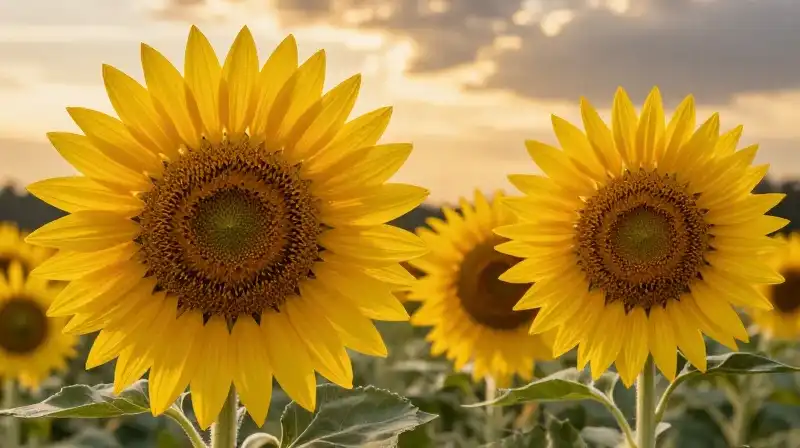 The success of Russian Mammoth Sunflowers depends heavily on providing optimal environmental conditions, leveraging their robust, annual growth cycle. These sunflowers are genetically predisposed to thrive in full sunlight and require nutrient-rich, well-drained soil.
Lifecycle and Planting Strategy
The Russian Mammoth Sunflower is an annual, meaning it completes its entire life cycle within one growing season. From the moment the seed is planted to the flowering stage, the plant typically requires approximately 80 days. This rapid growth cycle makes them suitable for many regional climates. To maximize growth:
- Timing: Plant seeds once all danger of frost has passed and the soil has warmed sufficiently.
- Sunlight: Provide a minimum of six to eight hours of direct sunlight daily.
- Spacing: Due to their substantial size, allow generous spacing between plants to ensure adequate air circulation, which helps prevent fungal diseases and supports robust stem development.
Practical Uses of Russian Mammoth Sunflowers
 The usefulness of the Russian Mammoth Sunflower extends far beyond its visual appeal, offering distinct benefits in three key areas: seed production, biomass generation, and ecological support.
Edible Seeds and Pollinator Attraction
The flowering heads of the Russian Mammoth Sunflower are prolific, producing large, edible seeds once they mature. These seeds are highly sought after for snacking and culinary purposes. Furthermore, the plant serves as a critical magnet for natural pollinators. Its massive yellow blossoms are exceptionally attractive to bees and other beneficial insects, facilitating local pollination and supporting local ecosystems.
Biomass and Soil Enrichment
A unique and highly practical use of the Russian Mammoth Sunflower is its contribution to biomass generation. After the flowering period and seed collection, the thick, desiccated stalks are not waste. They can be efficiently chopped and added to compost piles, where they contribute valuable carbon and structure to the soil, thereby enhancing the health of the garden beds.
The Value of Organic Cultivation
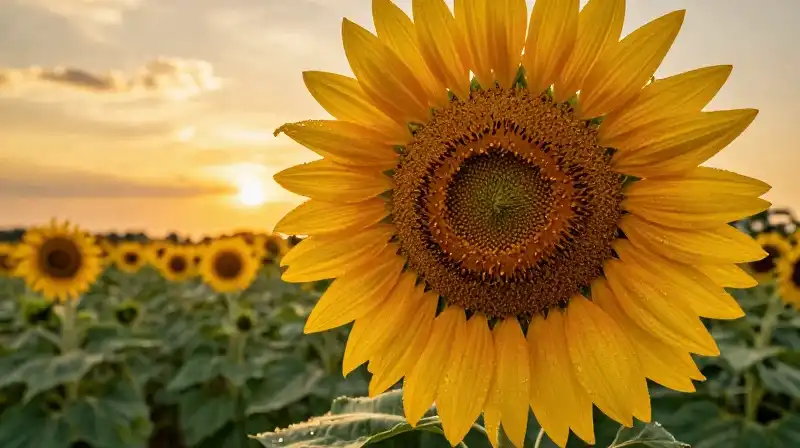 When choosing seeds for this variety, opting for certified organic options provides significant assurance regarding purity and environmental stewardship. Using organic seeds for your Russian Mammoth Sunflowers ensures that the plant develops without chemical interference, aligning the cultivation with sustainable gardening practices. This commitment supports both the health of the edible seeds and the long-term viability of the soil from which they grow.
Comparison: Russian Mammoth vs. Ornamental Sunflowers
 While many decorative sunflowers share the *Helianthus* genus, Russian Mammoth Sunflowers possess specific attributes that differentiate them from pure aesthetic varieties.
| Feature | Russian Mammoth Sunflower | Standard Ornamental Sunflower |
|---|---|---|
| Primary Focus | Utility, Seeds, Biomass, Pollination | Aesthetics and Height |
| Stem Robustness | Extremely thick, designed for heavy loads/biomass | Variable, often more delicate |
| Seed Yield | High, prized for edibility | Low or negligible |
| The decision to grow Russian Mammoth Sunflowers often comes down to a desire for a multi-functional harvest, whereas ornamental varieties prioritize consistent, long-lasting visual impact. |
Maximizing Yield and Avoiding Common Pitfalls
To ensure your Russian Mammoth Sunflowers reach their full potential—whether for seeds or biomass—certain practical considerations must be addressed throughout the growing period.
Optimal Harvesting and Curing
Harvesting at the right time is crucial for seed quality. Allow the flower heads to fully dry and turn brown, signaling that the seeds are mature. Once harvested, the heads should be cured (dried) in a well-ventilated, dry area until the seeds are fully brittle. This process prevents mold and maximizes seed viability.
Managing Growth and Environmental Stress
Given the substantial height and bulk of the plant, strong support is often required to prevent stems from bending or breaking under their own weight, especially in windy conditions. Furthermore, because they are so water-intensive, consistent watering is necessary, particularly during the intense growth phase. Avoid over-fertilizing with nitrogen, which promotes excessive green leaf growth at the expense of flower and seed development.
Summary of Cultivation Criteria
 Successfully integrating Russian Mammoth Sunflowers into your garden requires a balance of practical planning and attentive care. Prioritize plots that receive extensive sun and offer deep, fertile soil. The decision to plant this variety should be driven by the goal of achieving a productive harvest—be it through nutritious seeds, contributing to sustainable biomass, or supporting local pollinators. Effective planning, coupled with adherence to the 80-day annual cycle, ensures that these magnificent sunflowers fulfill their extensive potential.
Explore more: Dia de los Muertos Skull Designs: Symbols and Artistic Inspi
How to grow Russian Mammoth Sunflowers
Prepare the location and soil
Prioritize plots that receive extensive sun and offer deep, fertile, well-drained soil.
Plant the seeds
Plant seeds once all danger of frost has passed and the soil has warmed sufficiently.
Manage plant growth during the first phase
Provide a minimum of six to eight hours of direct sunlight daily, allow generous spacing between plants to ensure adequate air circulation, and provide consistent watering, especially during the intense growth phase.
Support the plants
Provide strong support to prevent stems from bending or breaking under their own weight, especially in windy conditions, and avoid over-fertilizing with nitrogen.
Harvest the seeds
Allow the flower heads to fully dry and turn brown, signaling that the seeds are mature.
Cure the seeds
Once harvested, the heads should be cured (dried) in a well-ventilated, dry area until the seeds are fully brittle to prevent mold and maximize viability.
Related Articles