
Durable Outdoor Metal Privacy Screens: Materials and Design

Introduction
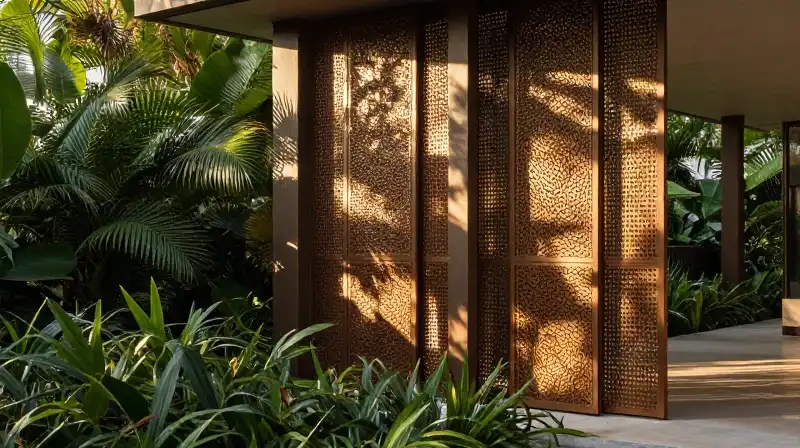
Outdoor metal privacy screens serve as more than simple barriers; they are strategic architectural elements designed to harmonize functionality with aesthetic appeal in exterior spaces. When installing a privacy screen for a patio, balcony, or pool area, the primary challenge is balancing the need for visual separation and protection from unwanted views with the desire to maintain an open, airy feel. The choice of material and design pattern dictates how the screen performs against the elements and how it integrates into your overall landscape design.
Selecting the right outdoor metal privacy screen requires understanding the inherent properties of available materials and recognizing how specific design choices—such as pattern density or frame type—impact both structural integrity and environmental interaction. This guide provides a detailed breakdown of the materials, design considerations, and practical application criteria necessary to make an informed and durable investment.
Choosing the Right Material: Steel, HDPE, or ACM
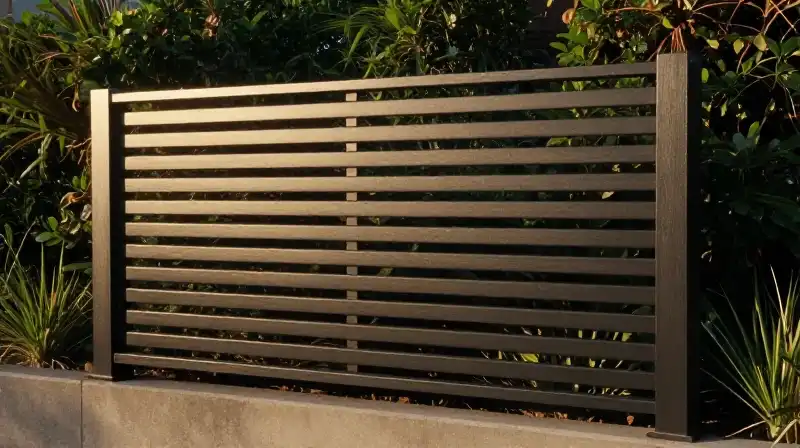
The durability and long-term maintenance requirements of your privacy screen depend heavily on the base material. Each option—steel, High-Density Polyethylene (HDPE), or Aluminum Composite Material (ACM)—offers unique benefits and limitations regarding weight, rigidity, and appearance.
Durable Steel Panels
Steel panels are favored for their high strength and structural rigidity. When professionally finished, steel offers an extremely robust, long-lasting solution that can withstand significant weather and wear. These screens are ideal for applications requiring maximum durability and a classic, heavy industrial aesthetic. They are often suitable for defining large, permanent outdoor lounge areas and require regular maintenance to ensure the protective finish remains intact.
High-Density Polyethylene (HDPE)
HDPE is an excellent option for those prioritizing weather resistance and low maintenance. It is inherently UV-stable and impact-resistant, making it highly suitable for coastal or highly exposed locations. Unlike metal, HDPE panels are lightweight and often come in a variety of colors, allowing for a wide range of customizable looks. While perhaps less rigidly structural than heavy steel, HDPE is perfectly engineered for sustained use in varied outdoor conditions, including resistance to snow and rain.
Aluminum Composite Material (ACM)
ACM provides a sleek, contemporary, and rigid solution. It is valued for its low-maintenance brushed metallic finishes, which lend themselves well to modern, sophisticated designs. The panels are engineered to provide a clean, highly polished appearance while offering structural stability. If the goal is a minimalist, sharp look that requires minimal upkeep, ACM is often the preferred choice.
| Material | Key Benefit | Best Use Case | Maintenance |
|---|---|---|---|
| Steel | Maximum strength and rigidity. | High-traffic, permanent boundaries. | Requires periodic finish checks. |
| HDPE | UV stability and lightweight design. | Coastal areas, colorful garden accents. | Very low maintenance. |
| ACM | Sleek, modern finish and rigidity. | Modern patios, commercial logos. | Low maintenance, easy cleaning. |
Design and Functionality: Shaping Your Visual Space
The design of the screen dictates its functional performance—specifically, how much privacy you achieve versus how much natural light is allowed through. Customization allows you to scale the screen’s function to meet specific spatial needs, ranging from a subtle background element to a dense, full-height partition.
Understanding Pattern Density and Type
Pattern density refers to the concentration of cutouts or bars within the panel. A higher density provides maximum privacy, effectively obscuring views and creating a more secure barrier. Conversely, lower density patterns or larger cutouts allow for more light filtering, maintaining an open, inviting feel, which is particularly useful in areas like outdoor lounges or dining spaces where natural light is desired.
Design styles vary widely to suit diverse environments:
- Geometric Lattices: Highly structured and modern, ideal for contemporary architecture.
- Nature-Inspired/Leaf-and-Vine: Provides a softer, more organic feel, enhancing garden and backyard aesthetics.
- Moroccan/Abstract: Offers intricate detail and a unique visual character, perfect for themed spaces.
- Coastal Patterns: Often characterized by flowing, light-inspired lines, suited for poolside areas.
Frameless vs. Framed Configurations
When considering the overall aesthetic and structural needs, the frame choice is crucial:
- Frameless Design: Offers a minimalist, seamless, and modern look. This is ideal if the screen is intended to be purely decorative or if you want a highly unfettered view through the openings.
- Framed Option: Provides increased structural stability, particularly important when installing tall, full-height partitions or in areas subject to high winds. The frame also offers a more conventional, robust look suitable for certain fence installations.
Practical Installation and Application Scenarios
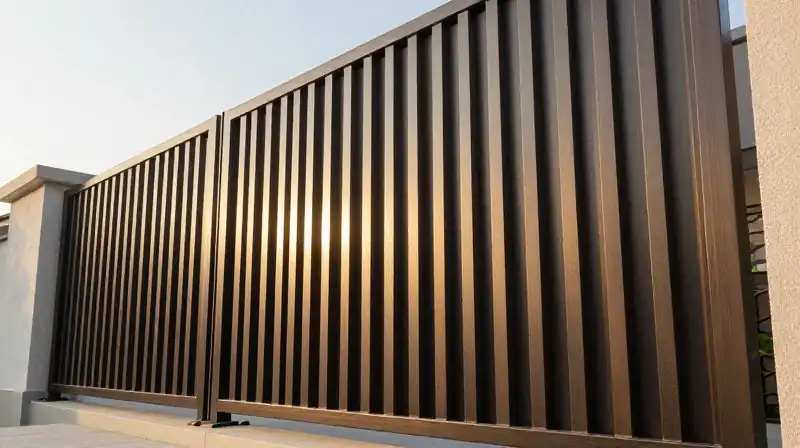
Outdoor metal privacy screens can be utilized in various scenarios, from compact infills to expansive, high-visibility partitions. The installation method must align with the intended location and required stability.
Installation Methods:
- Post or In-Ground Mounts: Used when the screen needs to be permanently anchored into the earth, offering high stability for boundary definition.
- Freestanding Base Legs: Suitable for greater mobility, allowing the screen to be repositioned, such as defining a temporary outdoor lounge area.
- Ceiling-Hung Configurations: A specialized method, often used for creating partitioned, private zones within gazebos or covered outdoor living rooms.
Common Use Cases:
- Boundary Definition: Creating clear visual separation along garden or property lines.
- View Concealment: Hiding undesirable neighbors or unsightly aspects of the landscape, such as pool equipment.
- Shade and Heat Reduction: The panels provide a functional layer of shade, reducing direct sun exposure in patios and balconies.
- Commercial Branding: Screens can be customized to integrate branded logo cut-outs, serving as a functional and decorative marketing tool.
Decision Criteria: Making the Final Selection
To confidently choose your metal privacy screen, evaluate these practical criteria to ensure the solution meets your specific environmental and design requirements. Understanding these nuances helps avoid the common error of selecting a screen that is aesthetically pleasing but functionally inadequate for your site.
- Evaluate Site Exposure: If your area is frequently subjected to harsh salt air or extreme weather, prioritize HDPE or highly treated steel panels over materials that may require more upkeep.
- Define Privacy Needs: Determine whether you require a maximum privacy barrier (dense pattern) or a light-filtering aesthetic (sparse pattern). The density, not just the material, dictates the functional result.
- Assess Required Stability: If the screen will function as a primary, high-wind boundary, prioritize a framed configuration and robust, in-ground mounting systems.
- Consider Integration: Decide if the screen needs to match existing architectural elements (e.g., requiring an ACM panel for a sleek, modern facade) or if it should stand out as a bold design feature.
For specific dimension needs, such as an 8 ft metal privacy screen, always verify the manufacturer’s structural load limits against your local building codes and the intended mounting method. When shopping for metal privacy screen outdoor panels, whether at a large retailer or a specialized provider, ensure the customizable patterns and made-to-order sizes fit your precise spatial requirements, whether you need a full-height partition or a simple gate infill.
Selecting and Applying Outdoor Metal Privacy Screens
Evaluate Site Exposure
If your area is frequently subjected to harsh salt air or extreme weather, prioritize HDPE or highly treated steel panels over materials that may require more upkeep.
Define Privacy Needs
Determine whether you require a maximum privacy barrier (dense pattern) or a light-filtering aesthetic (sparse pattern). The density, not just the material, dictates the functional result.
Assess Required Stability
If the screen will function as a primary, high-wind boundary, prioritize a framed configuration and robust, in-ground mounting systems.
Consider Integration
Decide if the screen needs to match existing architectural elements or if it should stand out as a bold design feature.
Related Articles