
Crabgrass Identification: A Visual Guide to Its Appearance

Introduction
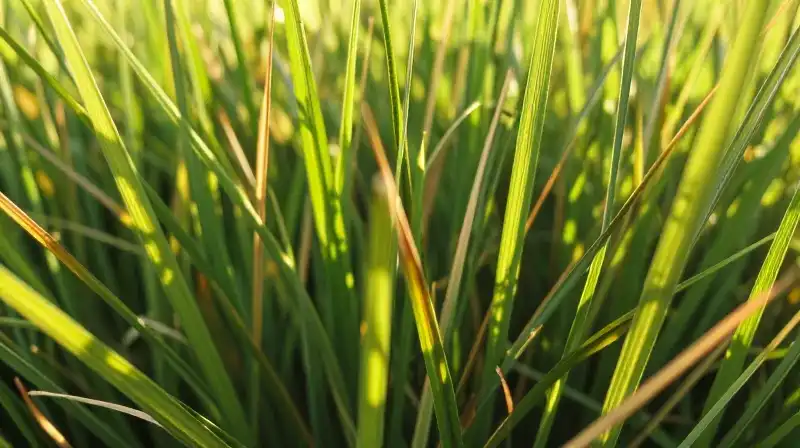
Crabgrass is one of the most pervasive and visually deceiving common weeds, making it challenging to distinguish from healthy lawn grass. Because it initially mimics the appearance of desirable turf, homeowners often struggle with accurate identification. To successfully manage this common garden problem, it is crucial to understand the specific visual characteristics of crabgrass at every stage of its growth. This guide provides a detailed visual examination, helping you identify crabgrass by its appearance, growth habits, and unique structural markers.
The Definitive Visual Traits of Crabgrass
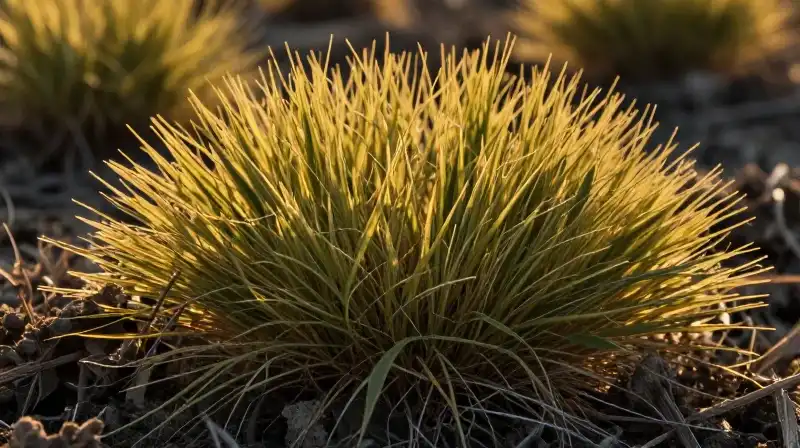
While crabgrass can look like thin, grass-like blades, several physical traits separate it from a true lawn. Identifying crabgrass requires looking closely at the leaf structure, the way it clumps, and its growth habits.
Appearance in Early Growth
When crabgrass first starts, it often appears as sparse, low-lying green patches. Unlike many desirable lawn grasses, crabgrass tends to grow in distinct, clumping tufts rather than spreading evenly across the lawn. The leaves are very narrow, grass-like, and relatively uniform, giving it a dense, sometimes “fuzzy” look, especially when young.
Leaf and Stem Structure
The most definitive visual clue lies in the structure. Crabgrass leaves are typically narrow and have a slightly rough texture. They often appear to have a single, sharp blade that is relatively stiff. When you look at the base of the plant, the growth is often more fibrous and less robust than a typical ornamental or turf grass. The height generally remains short (less than 4 inches) unless conditions are ideal.
Overall Growth Habit
Crabgrass is a prolific spreader. While its individual plants might look small, the overall infestation creates a dense, persistent mat across the lawn. This rapid, aggressive growth pattern is a key characteristic that differs from the more structured growth of most established lawn varieties.
Crabgrass Identification by Life Cycle Stage
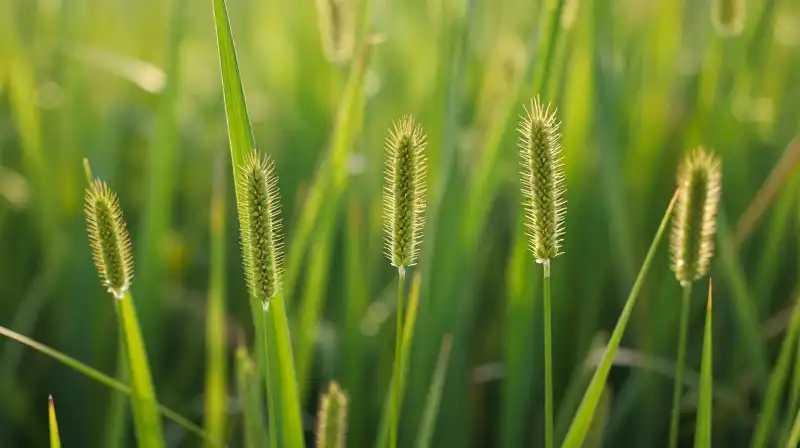
Crabgrass identification changes as it progresses through its life cycle. Understanding what it looks like when it starts versus when it goes to seed is essential for timing treatment.
What Does Crabgrass Look Like When it Starts?
Crabgrass germination typically occurs in late spring. In the initial stages, the weeds are small, bright green, and appear as scattered, very fine, wispy patches. It often emerges shortly after the grass has had its first flush of strong growth, which can make initial identification difficult.
Crabgrass at Seed Stage
When the plant matures and goes to seed, the plant structure changes significantly. The visible part of the plant may die back, but the seeds are highly resilient. The seed heads, when visible, are small and often hidden within the foliage. In late summer, you may notice the presence of seed pods or the general appearance of the area becoming less lush as the plants invest energy into reproduction.
Crabgrass in Winter
In colder climates, crabgrass often appears dormant during the winter months. The foliage may brown or die back, but the root system remains active. A patchy, faded, or matted look during winter is characteristic, often persisting long after the typical growing season.
Common Confusions: Crabgrass vs. Other Weeds
Several other grass-like weeds share similar traits with crabgrass, such as quackgrass and dallisgrass. Distinguishing them is vital for choosing the correct treatment.
| Feature | Crabgrass | Quackgrass | Dallisgrass |
|---|---|---|---|
| Growth Habit | Dense, low-growing, clumpy tufts | Can be taller and more upright; often appears in clusters | Broad, sometimes clump-forming, often more aggressive and tough |
| Leaf Appearance | Very narrow, fine, grass-like blades | Often features broader, slightly flatter leaves than crabgrass | Broad, thick leaves, sometimes with a distinct sheen or texture |
| Root System | Shallow and prolific spreader | Shallow, spreading runners | Deep and aggressive rhizome system |
Note that Quackgrass often produces long, visible seed heads that look somewhat spiky, a trait not commonly found in typical crabgrass. Dallisgrass tends to be significantly broader in leaf structure than both, and its roots are far more invasive and deeper than crabgrass.
Practical Steps for Confirmation and Diagnosis
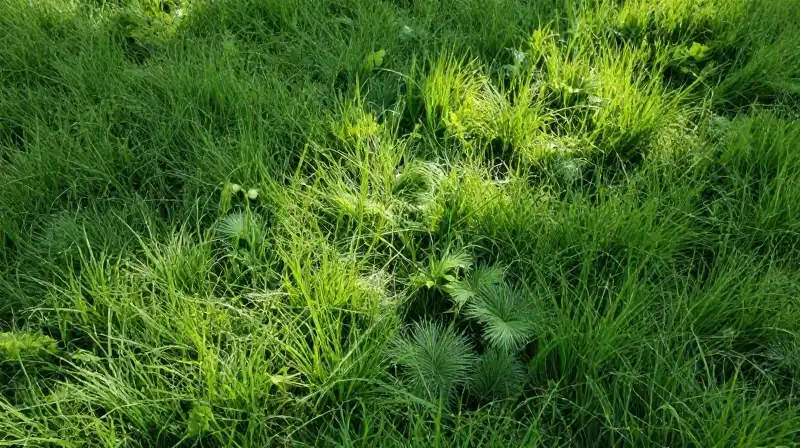
Visual identification alone isn’t always enough, especially when weeds overlap with desirable turf. Using a few simple diagnostic tests can confirm your identification.
- The Feel Test: Rub the leaves gently. While all grasses have soft foliage, crabgrass blades are often slightly tougher and can have a somewhat rough or slightly wiry texture compared to soft, lush lawn grass.
- The Spreading Pattern Test: Observe how the weed is spreading. If the plants are aggressively taking over an area from a central point or forming tight, dense mats rather than uniform growth, it suggests crabgrass or a similar aggressive weed.
- Timing Check: If the weed is growing rapidly and is predominantly green during peak warm season months (late spring through late summer), the probability of it being crabgrass is very high.
Preventative Measures and Final Assessment
Effective management starts with accurate identification, but prevention is the strongest tool. Since crabgrass is highly resistant to eradication once established, understanding its life cycle allows for timely intervention.
A synthesis of observation suggests that the combination of narrow, uniform blades, dense clumping growth, and aggressive, shallow spreading patterns is the definitive visual signature of crabgrass. If you suspect an infestation, look beyond simple grass color; focus on the specific structural characteristics and the aggressive growth pattern. Early detection—when the plants are still small tufts, before they have matured and started producing seed—is critical for reducing the overall difficulty of managing the problem.
How to Confirm and Diagnose Crabgrass Identification
The Feel Test
Rub the leaves gently. While all grasses have soft foliage, crabgrass blades are often slightly tougher and can have a somewhat rough or slightly wiry texture compared to soft, lush lawn grass.
The Spreading Pattern Test
Observe how the weed is spreading. If the plants are aggressively taking over an area from a central point or forming tight, dense mats rather than uniform growth, it suggests crabgrass or a similar aggressive weed.
Timing Check
If the weed is growing rapidly and is predominantly green during peak warm season months (late spring through late summer), the probability of it being crabgrass is very high.
Related Articles