Myrtle Greenery: Characteristics, Uses, and Care for Floral Designs


Introduction
Myrtle greenery, derived from the genus *Myrtus*, is a distinct floral material highly prized for its combination of structural integrity and natural fragrance. Often recognized by its small, glossy, oval leaves, this foliage provides a lush, dense texture perfect for enhancing floral designs. Unlike some delicate greens, myrtle offers durability, making it a versatile choice for both ephemeral bouquets and lasting decorative pieces. Understanding the specific characteristics of myrtle foliage—from its leathery texture to its reliable vase life—is key to incorporating it successfully into your next arrangement.
Identifying Myrtle Foliage: Characteristics and Unique Qualities
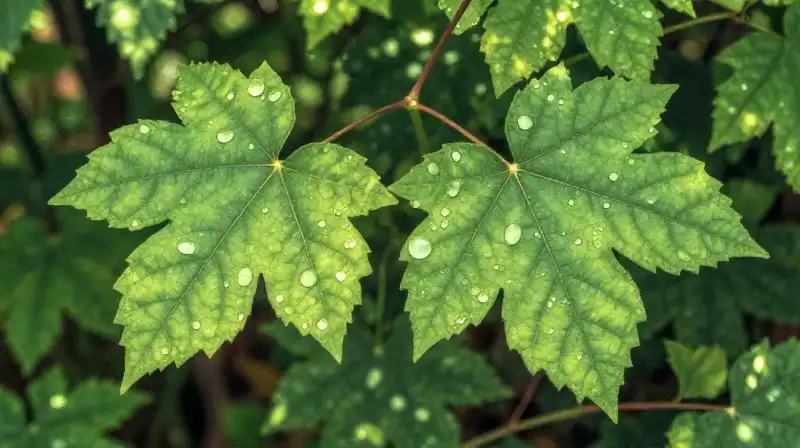
Myrtle foliage refers specifically to the leaves of *Myrtus communis*. This material is immediately recognizable by several defining physical attributes that set it apart from other commercial greens.
The leaves are not just aesthetically pleasing; they offer functional advantages:
- Texture and Appearance: The leaves are small, oval, and possess a hard, leathery texture with a high-gloss finish. They cluster densely along woody branches, providing a full, robust volume to any arrangement.
- Fragrance: A unique defining trait is the presence of natural oil glands. When handled or crushed, these glands release a pleasant, characteristic myrtle fragrance, adding a subtle and natural perfume to a composition.
- Durability: Due to their tough composition, myrtle is known for its hardiness. This resilience makes it ideal for long-lasting decorations, such as wreathes and garlands.
Myrtle Greenery in Floral and Craft Applications
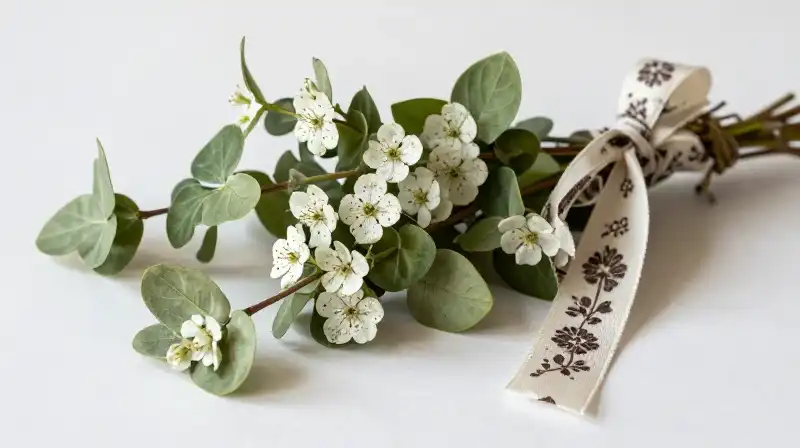
Myrtle greenery is valued in the industry not just as a filler, but as a foundational element that contributes both structure and scent to a piece. Its characteristics lend it to several specialized uses.
Role in Floral Design
In professional floral design, myrtle foliage serves dual purposes: providing structural depth and enhancing sensory experience. Its deep, glossy green provides a rich backdrop for colorful blooms, while its enduring nature ensures it maintains its appearance for extended periods.
Uses Beyond the Bouquet
The durability and scent of myrtle make it a popular choice for home decor and artisanal projects. It is a common and beautiful component in:
- Wedding Decor: Used extensively in DIY and professional bridal arrangements, where its long stems and robust presence contribute to a rustic yet elegant look.
- Traditional Wreaths and Garlands: Its longevity and density allow it to remain vibrant throughout the season.
- Craft Projects: The stems are suitable for decorative purposes that require materials that will retain their shape and freshness.
Myrtle Greenery Care and Proper Handling
To ensure your myrtle greenery maintains its quality and vase life—which typically exceeds ten days—following specific care instructions is essential. Improper storage or conditioning can significantly shorten its duration.
Optimal Storage Conditions
Myrtle performs best when kept cool and protected. For optimal health and preventing rapid wilting, maintain the storage temperature between 36 and 41 degrees Fahrenheit. Keeping the foliage away from direct heat and sudden temperature shifts is crucial for preserving its turgidity and scent.
Conditioning Fresh Material
When you purchase myrtle greenery for use, it is important to inspect it carefully. Stems must be free from any signs of damage or premature leaf fall. The initial conditioning process involves a few critical steps:
- Inspection: Ensure the stems are undamaged and vigorous.
- Cutting: Give woody stems a sharp, diagonal cut to maximize water absorption.
- Hydration: Submerge the stems in fresh water and use a commercial floral food to help regulate nutrient uptake.
It is worth noting that myrtle foliage is not particularly sensitive to ethylene gas, which means it can generally tolerate the crowded environment of a floral cooler or workshop without major issues.
Answering Key Questions About Myrtle Greenery

Many users have specific questions when first encountered with myrtle greenery. Here is a clarification on what the material is and how to manage the plant.
What is myrtle greenery?
Myrtle greenery is the woody foliage of the *Myrtus* genus, most commonly *Myrtus communis*. It is defined by its leathery, glossy, oval leaves and its distinct, pleasant fragrance, making it a premium choice for structural floral design and lasting decorative pieces.
How to grow myrtle greenery?
While the harvested cut foliage provides the greenery used in arrangements, myrtle is a hardy, perennial shrub. Growing myrtle requires careful pruning and ideal soil conditions—it thrives in well-drained, sandy soil and requires ample sunlight. Due to its perennial nature, it is best suited for those with space for established, woody shrubs.
What is myrtle foliage?
Myrtle foliage is the specific term referring to the individual, glossy, tough leaves of the *Myrtus communis* plant. It is the material that provides the dense, fragrant, and durable greenery prized by florists and crafters.
Selecting the Best Myrtle Greenery for Your Project
Whether you are shopping for myrtle greenery for bouquets or for a permanent wreath, quality is paramount. To make an informed purchase, focus on these quality signals:
| Quality Indicator | High-Quality Sign | Warning Sign |
|---|---|---|
| Stem Integrity Stems are firm, woody, and free from blemishes. | Soft, wilted, or mushy stems; obvious signs of past frost or damage. | |
| Leaf Appearance | Leaves are glossy, uniformly green, and intact with no yellowing. | Dull, brittle leaves or visible signs of early leaf fall. |
| Fragrance | A faint, pleasant fragrance is detectable when gently handled. | A completely odorless product, suggesting stress or poor quality. |
By prioritizing material that exhibits these characteristics and adhering to the proper conditioning steps, you ensure your myrtle greenery delivers both structural depth and its signature natural scent long after it is placed.
Frequently Asked Questions
What is myrtle greenery?
Myrtle greenery is the woody foliage of the Myrtus genus, most commonly Myrtus communis. It is defined by its leathery, glossy, oval leaves and a pleasant, characteristic natural fragrance.
How to grow myrtle greenery?
Myrtle is a hardy, perennial shrub that thrives in ample sunlight and well-drained, sandy soil. Growing it requires careful pruning and sufficient space for established, woody shrubs.
What is myrtle foliage?
Myrtle foliage refers to the specific, individual leaves of the Myrtus communis plant, which possess a hard, leathery texture and a high-gloss finish. This greenery is known for its dense, durable nature and its distinct, pleasant fragrance.
How to condition fresh myrtle greenery
Inspection
Ensure the stems are undamaged and vigorous.
Cutting
Give woody stems a sharp, diagonal cut to maximize water absorption.
Hydration
Submerge the stems in fresh water and use a commercial floral food to help regulate nutrient uptake.
Related Articles