PJM Rhododendron: Growing Guide, Care, and Optimal Soil Needs

Introduction
The PJM rhododendron series represents a specific type of hybrid designed for reliable performance, combining the robust traits of Rhododendron carolinianum and Rhododendron dauricum var. sempervirens. For gardeners looking for a resilient, evergreen shrub with predictable blooming periods, the PJM offers a distinct choice. This comprehensive guide details the specific environmental and care requirements necessary to ensure your PJM rhododendron thrives, moving beyond general advice to address the precise needs of this hybrid, particularly concerning soil acidity and drainage.
Understanding PJM Rhododendron Characteristics
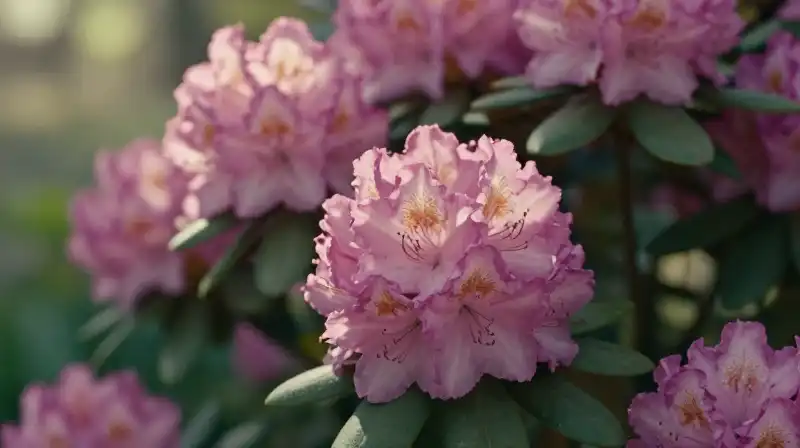
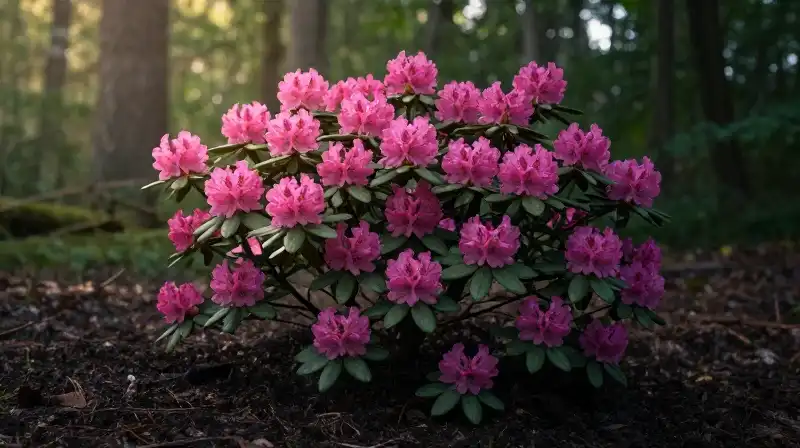
PJM is an interspecific hybrid categorized as an open, multi-stemmed evergreen shrub. Its primary appeal lies in its manageable size and striking contrast between its foliage and flowers. It typically matures into a compact shape, reaching a height and spread of approximately five feet. The leaves are distinctive: they are elliptic, leathery, and dark green, often acquiring purple tones during cooler months or autumn. These narrow leaves can grow up to 2.5 inches long and maintain a coarse texture throughout its life cycle.
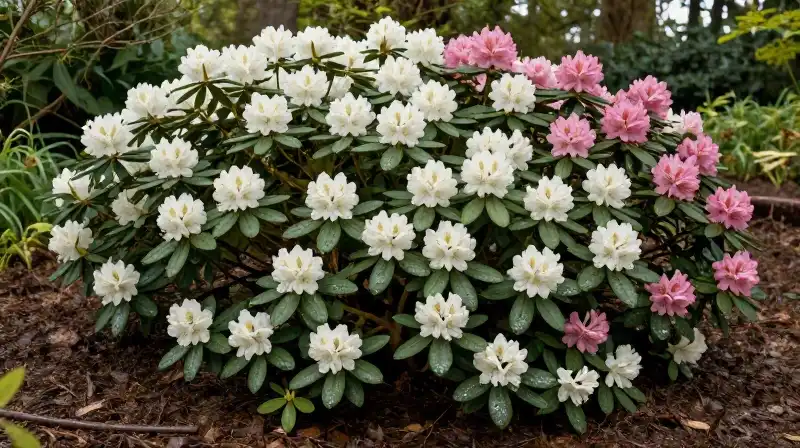
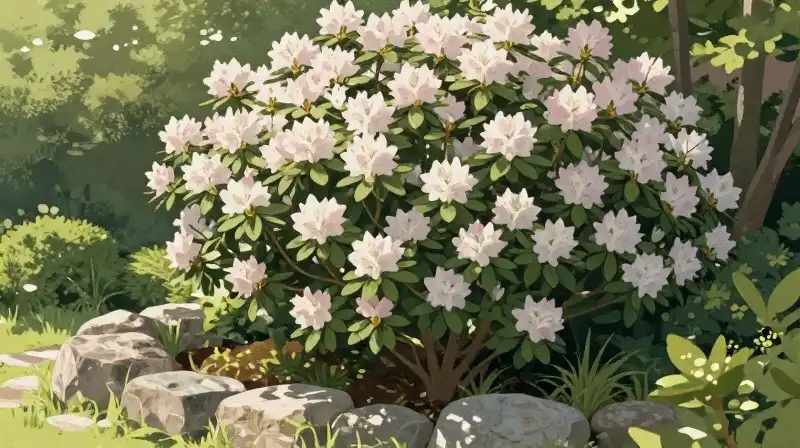
Blooms appear in mid-spring, presenting stunning clusters of lightly scented, trumpet-shaped flowers in lavender, rose, or pink hues. These flowers are often accompanied by a lush display of foliage, making the shrub aesthetically pleasing even outside of its peak blooming season.
Climatic Suitability and Durability
One of the most significant advantages of the PJM rhododendron is its exceptional winter hardiness. It is well-adapted to the conditions found in upper Midwest and New England climates. However, this durability comes with the need for specific environmental management.
- Growth Habit: Slow growth rate, expected to live 40 years or longer under ideal conditions.
- Tolerance: Exhibits some tolerance for moderate urban pollution, though shelter is always beneficial.
- Microclimate: Due to its manageable size, it is suitable for planting in less conventional areas, such as under power lines, provided it has adequate space to develop its root system.
While it is hardy, exposure to strong, drying winter winds must be mitigated through thoughtful placement or protective measures, ensuring the plant does not suffer desiccation during dormancy.
Optimal Soil and Drainage Requirements
The most critical factor for the success of any rhododendron, especially the PJM, is the soil environment. This hybrid is highly sensitive to nutrient availability and pH levels.
Acidity is Key: PJM rhododendrons require rich, acidic soil. A pH range between 5.0 and 5.5 is optimal. The plant is prone to yellowing (chlorosis) if the soil becomes alkaline, indicating a need for continuous acidic conditions through fertilization and soil amendment.
Drainage is Non-Negotiable: Rhododendrons possess shallow, fibrous root systems that are extremely susceptible to root rot when exposed to standing water. Even if the native soil is naturally acidic, if it is heavy clay, it must be amended or planted in a raised bed to guarantee excellent drainage. Never allow the soil to remain saturated.
Essential Care and Error Prevention
Beyond soil preparation, consistent care ensures the PJM reaches its full potential. Following established best practices helps prevent the most common horticultural failures associated with this species.
Strategic Mulching
Applying a layer of mulch around the root zone is strongly recommended. This practice serves several functions: it maintains a stable soil temperature during winter dormancy, conserves soil moisture, and helps suppress competition from weeds that compete for limited resources.
Addressing Toxic Interference
A crucial consideration when site-planning a PJM rhododendron is avoiding proximity to trees belonging to the walnut family. These trees release toxic compounds, specifically juglone, which can directly harm the sensitive roots of rhododendrons. Site selection should account for this chemical interaction.
Light and Water Needs
The shrub thrives in locations that provide full sun to partial shade. It requires evenly moist soil, but this moisture must always be well-drained. While consistent moisture is vital for healthy growth, it must never become stagnant.
Long-Term Maintenance and Success Criteria
The PJM rhododendron is a long-term commitment that rewards careful attention. By prioritizing acidic soil and excellent drainage, you establish the necessary foundation for its robust growth.
To ensure the longevity of your PJM plant, focus on these practical maintenance criteria:
- Check pH Regularly: Test the soil periodically to confirm the acidity is maintained and apply appropriate acidifiers if necessary.
- Monitor Drainage: During heavy rains, ensure water is moving through the soil rather than pooling at the base of the shrub.
- Winter Protection: In exposed or particularly cold regions, apply heavier mulch around the root zone during winter to prevent harsh temperatures from damaging the root system.
Successfully cultivating a PJM rhododendron is less about complex techniques and more about managing its environment: providing rich, acidic soil, ensuring impeccable drainage to prevent root rot, and selecting a site free from chemical interference. Following these targeted guidelines ensures that this dependable, striking hybrid will provide years of robust growth and beautiful flowering.
Explore more: The Three Horns of Odin: Mythological Origins and Historical
How to Successfully Cultivate a PJM Rhododendron
Prepare Optimal Soil
Ensure the soil is rich and acidic with a pH between 5.0 and 5.5. If native soil is heavy clay, amend it or plant in a raised bed to guarantee excellent drainage and prevent root rot.
Select the Proper Site
Choose a location that provides full sun to partial shade, while ensuring the site is free from proximity to trees in the walnut family, as they release toxic compounds (juglone) harmful to roots.
Manage Water and Moisture
Maintain evenly moist soil that is consistently well-drained. Never allow the soil to become stagnant or saturated.
Apply Mulch
Apply a layer of mulch around the root zone. This helps maintain stable soil temperature, conserves moisture, and suppresses competing weeds.
Perform Regular Maintenance Checks
Periodically test the soil pH to ensure acidity is maintained, and monitor drainage during heavy rains to ensure water moves through the soil rather than pooling.
Provide Winter Protection
In cold or exposed regions, apply heavier mulch around the root zone during winter dormancy to prevent harsh temperatures from causing damage to the root system.
Related Articles