Huernia Zebrina: Guide to Growing the Lifesaver Cactus

Introduction
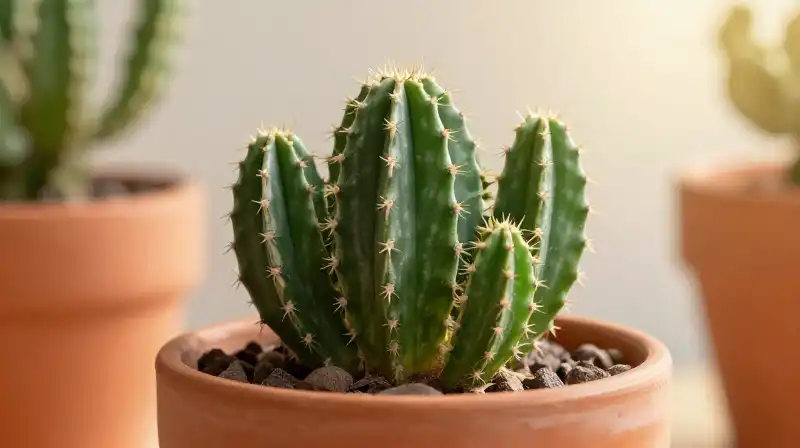
Huernia zebrina, often referred to as the lifesaver cactus or little owl, is a striking and distinctive succulent valued for its thick, fleshy, zebra-striped stems and rare, star-shaped red flowers. Native to Southern Africa, including parts of Namibia, Botswana, northern South Africa, Zimbabwe, and Mozambique, this member of the Apocynaceae family (the passionflower family) is a popular choice for collectors seeking both architectural interest and unique floral displays. Classified as a succulent, the Huernia zebrina thrives in warm, arid environments and has earned recognition for its horticultural merit from bodies like the Royal Horticultural Society. Successfully growing the lifesaver cactus requires mimicking its native semi-arid habitat through careful control of light, water, and soil quality.
Cultivation Requirements for Huernia Zebrina
 Proper care for Huernia zebrina revolves around maintaining a warm, dry, and brightly lit environment. Its success depends on recognizing its need for drainage and protection from harsh, direct heat.
Lighting and Temperature
The lifesaver cactus needs bright light to maintain its compact shape and vibrant coloring, but scorching is a major risk. Near a south-facing window is ideal for providing ample bright, indirect sunlight. While the plant tolerates full sun in its native semi-arid conditions, consistent, direct, midday exposure for long durations must be avoided to prevent leaf scorch. It prefers warm environments, maintaining a consistent temperature between 60 and 80 degrees Fahrenheit.
Soil and Watering Strategy
As a succulent adapted to arid climates, proper drainage is the single most important factor in its health. The preferred growing medium is a specialized cactus or succulent potting mix. This gritty, highly draining composition prevents root rot, which is the most common killer of this species. The watering method must strictly adhere to a “soak and dry” schedule.
- Active Growth (Spring/Summer): Water thoroughly, allowing the entire soil volume to dry completely between sessions. This typically occurs every 2–3 weeks.
- Winter Dormancy: Significantly reduce watering. Allow the soil to dry out entirely and provide sparse moisture only when the plant shows signs of slight stress.
Feeding and Maintenance
Huernia zebrina does not require heavy feeding. Apply minimal fertilizer, opting for a diluted, balanced formula (such as NPK 5-10-5), once a year during the active spring growing season. Regular inspection should check for signs of pests, though they are generally resilient. Propagation is straightforward and highly recommended; stems can be successfully propagated through cuttings to easily expand a collection.
Addressing Common Huernia Zebrina Queries
 Several enthusiasts have specific questions regarding the plant’s habits, appearance, and cultivation. The care guide above addresses many needs, but specific behaviors warrant dedicated clarification.
How to Get Huernia Zebrina to Bloom?
The lifesaver cactus is known for its star-shaped red blooms, but inducing flowering is not guaranteed by simple watering. Successful blooming is tied to environmental signals and plant maturity.
To optimize blooming potential:
- Provide Intense Light: Ensure the plant receives the maximum amount of bright, indirect light possible. Light stress is often a trigger for flower production.
- Temperature Consistency: Maintain warm temperatures, as the plant uses these conditions to signal the active growing period.
- Avoid Overwatering: Ensure the “soak and dry” method is followed precisely. Excess moisture can lead to root rot, which will prevent the plant from putting energy into flowering.
Does Huernia Zebrina Smell?
Unlike many decorative plants, Huernia zebrina’s unique function as a specialized plant involves scent. The flowers naturally emit a carrion-like aroma. This is not a flaw; it is the species’ evolved pollination strategy, as the potent odor attracts flies, which act as its primary pollinators. While this scent may be surprising to some indoor collectors, it is a natural part of the plant’s biology.
Is Huernia Zebrina Rare?
In the context of mass-market availability, Huernia zebrina is a moderately sought-after collectible, but it is not strictly rare. Its distinct markings and unique bloom design give it high value among specialized succulent enthusiasts. While it is successfully cultivated, specialized or variegated forms of succulents can become rare, but the standard species is widely available through reputable succulent nurseries.
Ecological and Horticultural Profile
 Huernia zebrina stands out not just for its aesthetic qualities but also its classification and ecological role. It is categorized as a successful example of a succulent adapted to the drier climates of Southern Africa, and its unique flowering mechanism places it in a specific ecological niche.
The RGS Recognition and Taxonomical Background
The recognition of Huernia zebrina by the Royal Horticultural Society’s Award of Garden Merit (AGM) confirms its value as a specimen plant. Botanically, the species is accepted within the Apocynaceae family. Its classification includes recognized subspecies like *subsp. insigniflora* and *subsp. zebrina*, highlighting the variety within the species.
Summary of Care and Best Practices
To ensure your Huernia zebrina thrives and provides the best visual return, focus on these key operational parameters.
Successful cultivation requires treating this plant as a specialized architectural specimen that demands careful environmental control:
- Light Management: Prioritize bright, indirect light and monitor for signs of scorching.
- Water Discipline: Strictly adhere to the “soak and dry” schedule, minimizing watering significantly during the winter months.
- Substrate Choice: Always use a highly porous, well-draining cactus mix to prevent root degradation.
- Patience for Bloom: Understand that blooming is triggered by environmental cues (light and temperature) and requires consistent, optimal care.
By respecting its native arid habitat and providing minimal interference through feeding and watering, the lifesaver cactus will flourish and continue to offer its signature red star blooms for years.
Explore more: Celtic Symbols for Brotherhood: Meanings and Interpretations
Frequently Asked Questions
Is Huernia Zebrina rare?
Huernia zebrina is not strictly rare, though it is a moderately sought-after collectible among specialized succulent enthusiasts. While it is successfully cultivated, the standard species is widely available through reputable succulent nurseries.
How to get huernia zebrina to bloom?
To optimize blooming potential, provide the plant with the maximum amount of bright, indirect light, maintain consistent warm temperatures, and strictly follow the soak and dry method to prevent root rot.
Does Huernia Zebrina stink?
Huernia zebrinas flowers naturally emit a carrion-like aroma. This potent scent is an evolved pollination strategy designed to attract flies, which act as the plants primary pollinators.
How to Cultivate Huernia Zebrina
Select Lighting
Position the plant near a south-facing window to ensure bright, indirect light. Avoid consistent, direct midday exposure to prevent scorch.
Choose the Right Soil
Use a specialized cactus or succulent potting mix, ensuring the composition is gritty and highly draining to prevent root rot.
Implement Watering Strategy
Adhere to the "soak and dry" schedule. Water thoroughly every 2–3 weeks during active growth, allowing the entire soil volume to dry completely between sessions.
Manage Winter Dormancy
During winter, significantly reduce watering and provide sparse moisture only when the plant shows signs of slight stress.
Fertilize Sparingly
Apply minimal fertilizer, using a diluted, balanced formula (such as NPK 5-10-5), only once a year during the active spring growing season.
Monitor and Inspect
Regularly inspect the plant for signs of pests and ensure consistent temperature and environmental conditions.
Related Articles