Himrod Seedless Grapes: Growing Tips and Buying Guide

Introduction
The Himrod seedless grape is a highly sought-after variety, prized primarily for its exceptional sweetness, rich honey-like flavor, and remarkable yield. Unlike many grape varieties, Himrod is an early-ripening table grape that offers consumers a dependable source of juicy, golden yellow fruit suitable for fresh consumption, juicing, or making raisins. Whether you are looking to incorporate this robust variety into a home garden or purchase clusters for a summer harvest, understanding Himrod’s unique characteristics and cultivation needs is crucial. This guide provides a detailed overview of what makes Himrod special and offers practical advice for sourcing and growing it successfully.
Cultivating the Himrod Grape: Growing and Care
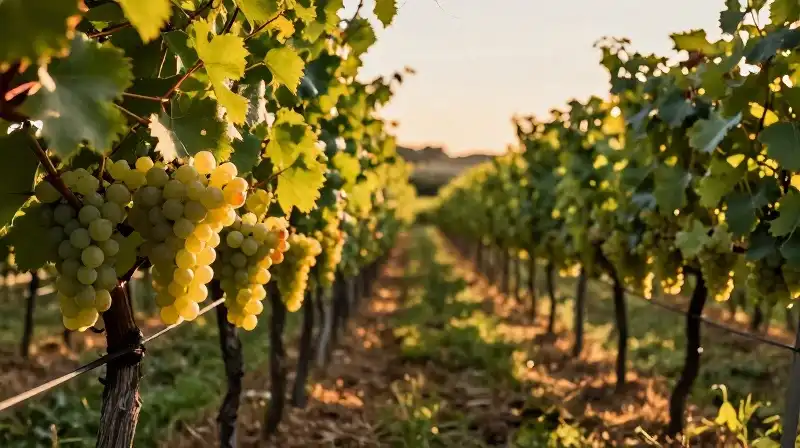 As a highly popular seedless table grape, Himrod is favored for its vigor and relative ease of care. It is exceptionally adaptable, making it viable for both professional vineyards and domestic home gardens. However, successful cultivation requires attention to specific environmental needs.
Optimal Conditions for Growth
Himrod is known for its cold hardiness and reliability, but it thrives when provided with the right environment.
- Sun Exposure: The grape requires full to half-day sun to develop its fruit properly.
- Soil: It performs best in well-drained soil.
- Water Needs: Once the vines are established, Himrod vines are highly drought resistant.
- Climate Tolerance: This variety is remarkably hardy, tolerating temperatures as low as minus 10°F.
Productivity and Growth Cycle
While Himrod is reliable, it is important to manage expectations regarding its yield and time to fruit.
Each mature vine has the potential to produce between 10 and 15 pounds of fruit. Because it is a self-fertile variety, Himrod does not require cross-pollination, simplifying management for the grower. However, bear in mind that visible fruit production typically begins two to three years after the vine is initially planted. Mature vines generally begin ripening during the early to mid-September period.
Sourcing Himrod Seedless Grapes: A Regional Buying Guide
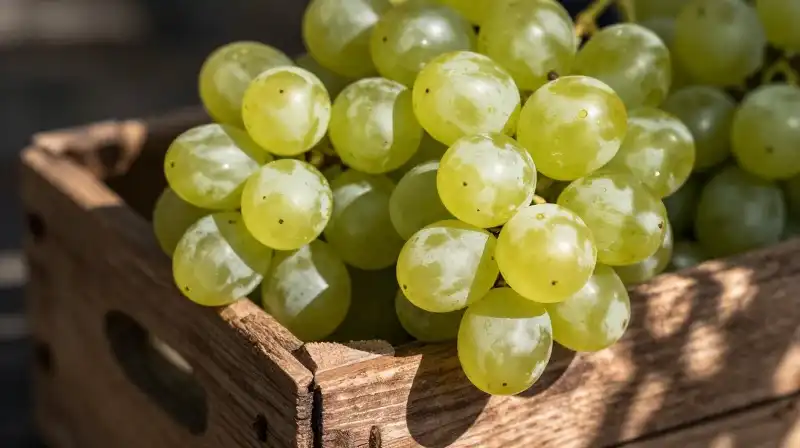 If you are planning a harvest or sourcing grapes for sale, the shipping timeline for Himrod seedless grapes is highly dependent on the delivery region. The grape season generally spans from spring through fall, but specific start and end dates vary by zone.
Shipping Timelines by Region
Customers must verify their specific location to determine the exact shipping window. These windows are subject to change based on current plant health and seasonal heat requirements.
Northern Cold Region: Shipments are scheduled to begin between April 22nd and conclude on November 7th.
Northern Region: Availability starts earlier, beginning on April 15th and extending until November 7th.
Middle Region: Products become available starting April 1st and are available to ship until November 7th.
Southern Region: The growing season for grapes in this area can start early, beginning March 15th and continuing until November 7th.
Local Delivery (Waterloo, WI): Delivery within a small radius operates under the general Northern Cold Region timeframe, specifically April 22nd through November 7th.
Harvest and Consumption Profile
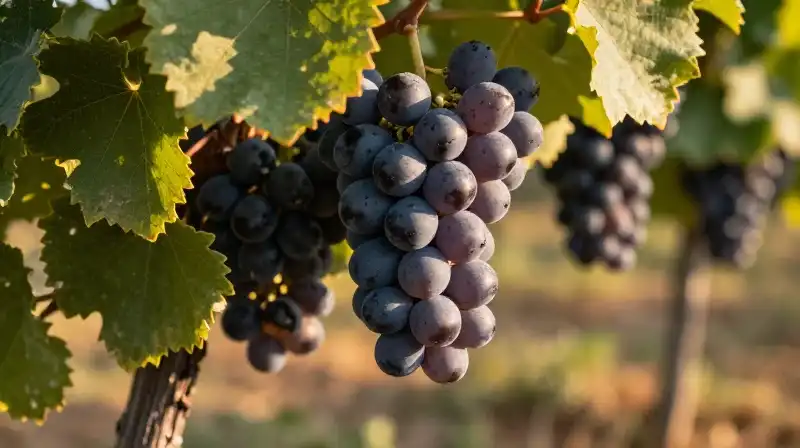
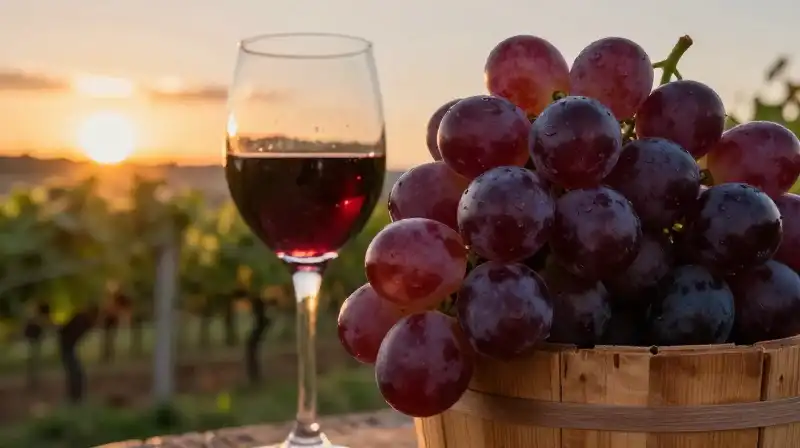 Himrod is a versatile fruit, but its intended use is primarily as a fresh eating table grape. Its physical characteristics—medium-sized clusters with a pale golden color, tender skin, and juicy flesh—contribute significantly to its desirable eating quality.
Usage Versatility
The rich, honey-like flavor profile makes Himrod highly desirable. While fresh consumption is the primary use, the grapes can also be utilized for:
- Producing fresh juice.
- Drying the fruit to create high-quality raisins.
Practical Considerations and Quality Checks
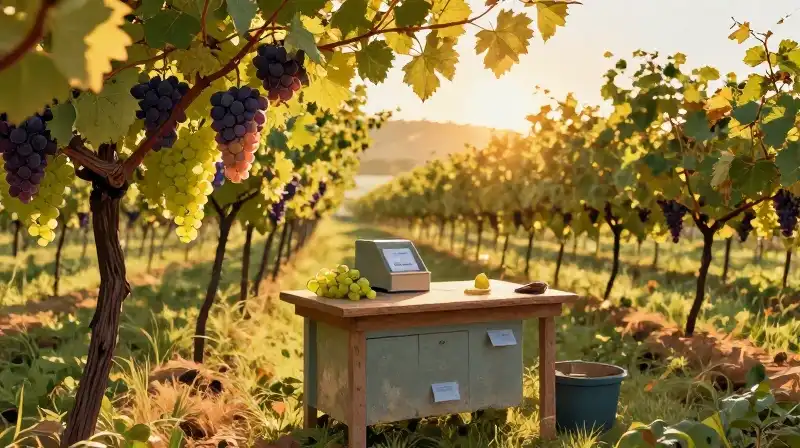 To ensure you have a successful experience, whether purchasing or planting Himrod, keep the following practical nuances in mind.
Evaluating Plant Health
Because you are selecting a seedless table grape, the health of the vine is paramount. Look for:
- Vigorous Cane Growth: The vine should appear healthy and actively growing.
- Disease Resistance: Himrod is known for its disease resistance, which helps reduce overall maintenance needs.
- Clustering: Healthy plants will naturally form medium-sized clusters capable of reaching the expected 10 to 15 pounds of fruit per vine.
Addressing Purchasing Variables
When buying Himrod seedless grapes, treat the listed shipping dates as general guides. Due to external factors, these times can fluctuate. Before finalizing any order, always confirm the precise shipping schedule with the vendor, particularly if you have state-specific restrictions or are ordering a large quantity. The grapes are classified within USDA Hardiness Zones 6 through 8, making their suitability dependent on your local climate zone.
Summary of Priorities
When making a purchasing decision, prioritize the regional start date to ensure you get grapes at the peak of their flavor and quality. When planning to grow, remember that Himrod is a low-maintenance choice, but its long-term productivity (10-15 lbs per vine) requires patience and establishment time.
How to Cultivate the Himrod Grape
Assess Sunlight
Ensure the chosen planting area receives full to half-day sun to allow the grape to develop its fruit properly.
Prepare the Soil
Plant the vine in well-drained soil to ensure optimal performance and root health.
Manage Watering
Once the vines are established, utilize Himrod's natural drought resistance and manage water needs accordingly.
Manage Expectations
Be aware that visible fruit production typically begins two to three years after the vine is initially planted, and mature vines begin ripening in early to mid-September.
Related Articles