

How to Use a Succulent Moisture Meter for Perfect Watering

Introduction
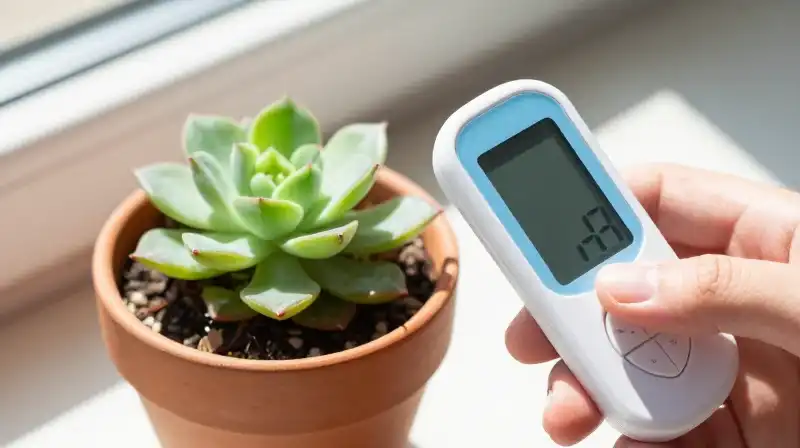
For succulent growers, determining the exact moment a plant needs water is critical; overwatering is the single most common cause of root rot. A succulent moisture meter provides the objective data necessary to move beyond guesswork, offering a precise numerical or color-coded assessment of water availability deep within the soil. These meters allow you to monitor the moisture levels that manual surface checks often miss, ensuring your specific succulent varieties receive the perfect amount of hydration.
Preparing the Soil Moisture Meter for Accuracy
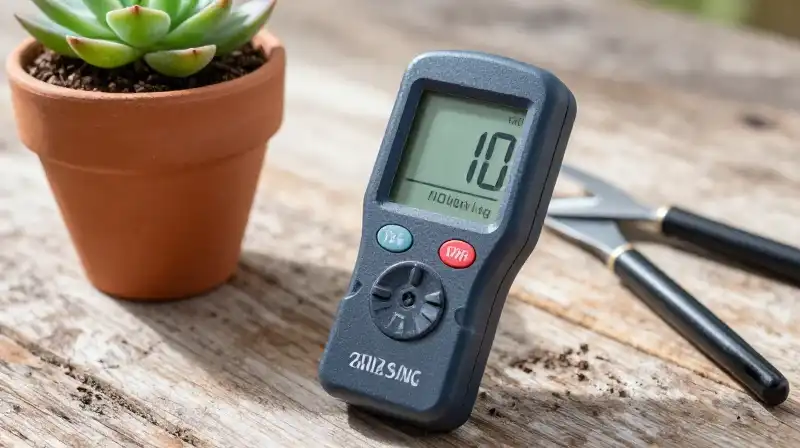 Before attempting any reading, it is essential to properly prepare both the meter and the environment. Sensor accuracy relies on clean contact and minimal interference.
Cleaning the Probes
Dirt, residual salts from fertilizers, and mineral deposits can skew readings. Always clean the probe thoroughly before and after each use:
- Use distilled water to ensure no mineral buildup affects the sensor.
- Gently wipe the probes to remove visible surface debris.
- Allow the probes to dry naturally before inserting them into the soil.
Correct Insertion Technique
Inserting the meter improperly can yield unreliable readings or, worse, damage the sensitive sensors.
- Loosen the meter slightly if necessary, but do not apply any force to push the probe.
- Gently insert the probe approximately three-quarters of the way into the soil.
- Remove any obstructions that might block the probe from contacting the soil mass.
Understanding the Moisture Scale and Readings
The numerical scale on most standard succulents moisture meters correlates the soil’s current moisture status. Understanding this scale is the core of knowing how to check if a succulent needs water.
Interpreting the Moisture Values
The range on a typical moisture meter signifies dryness to saturation:
- Dry (1 – 1.5): The soil is dry. Succulents typically require watering at this range, particularly if the soil is nearing the surface.
- Medium (3 – 5): The soil is moderately moist. Watering should be avoided, allowing the plant to utilize the available moisture.
- Wet (7 – 10): The soil is saturated. These high levels strongly indicate that the plant is at high risk of root rot, and watering must be suspended immediately.
Optimizing Watering Based on Probes and Light
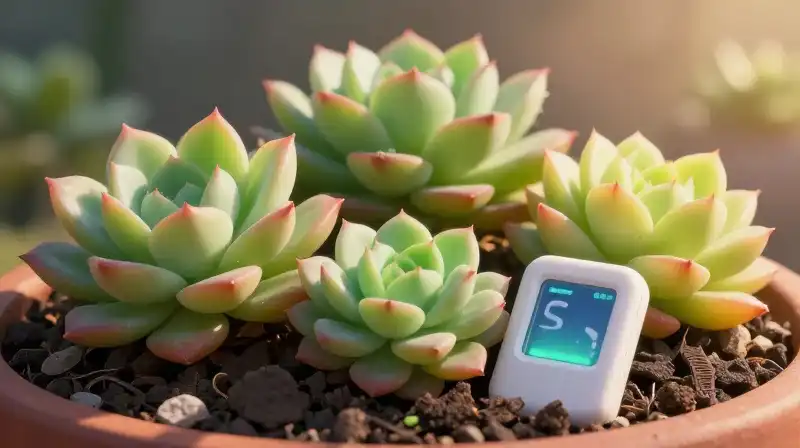 Using a succulent moisture meter allows you to customize your watering frequency. However, moisture levels must always be viewed alongside the plant’s species and its environmental conditions.
Addressing Plant and Environment Variables
The readings themselves are a starting point, but context is crucial for perfect watering:
- Specific Succulent Needs: Watering frequency must always be tailored to the individual plant. Often, the soil should be nearly dry (low moisture meter reading) between waterings for species like the **XLUX Soil Moisture Meter** test subjects.
- Humidity Factors: While moisture meters measure the soil, factors like the best humidity level for succulents influence how quickly the soil dries out and how quickly the plant draws water. Lower ambient humidity can lead to faster soil depletion.
- Light Intensity: In brighter light, the plant transpires water faster, accelerating the drying process and potentially leading to a lower moisture meter reading sooner.
Comparing Meter Types and Features
Not all moisture meters are the same. Different models offer varying levels of function and complexity, such as the 3-in-1 or 4-in-1 models.
| Meter Type | Primary Benefit | Typical Functionality | Best Use Case |
|---|---|---|---|
| Basic Analog Meter | Simplicity and cost-effectiveness. | Soil moisture only (visual needle/color). | Beginner gardeners. |
| 3-in-1/4-in-1 Digital Meter | Comprehensive analysis. | Moisture, pH, and Light intensity (MS02 style). | Advanced growers needing full environmental data. |
| Bluetooth-Enabled Unit | Remote monitoring and logging. | Moisture, pH, temperature, data logging to a phone. | Small collections or those managing many plants. |
Troubleshooting Accuracy and Longevity
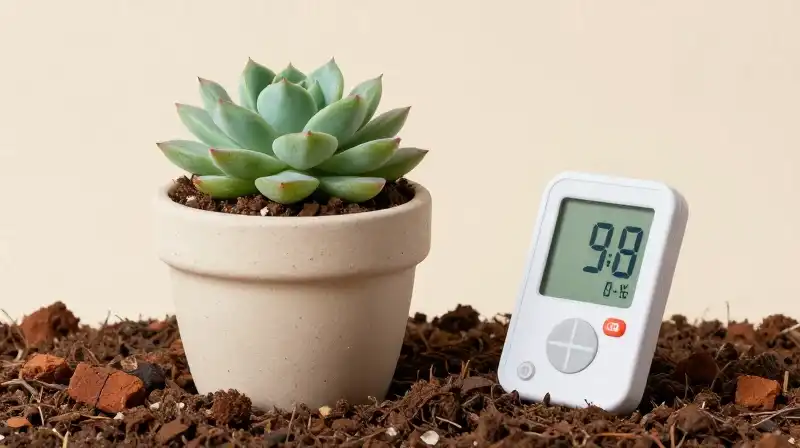 To ensure your **succulents moisture meter** provides reliable data over time, proactive maintenance and protection are required.
Addressing Reading Inaccuracies
If your readings seem off, check these factors before assuming the meter is faulty:
- Soil Salinity: Heavy use of chemical fertilizers can increase soil salinity, which may interfere with the electrical conductivity readings of the probe.
- Extreme Temperatures: The meter may provide inaccurate data if the soil or the meter itself is exposed to extreme cold or intense heat.
- Probe Physical Damage: Any bending or physical damage to the sensor ends will compromise its function.
Preventing Sensor Degradation
Protect your investment by maintaining the meter properly.
Store the moisture meter safely when not in use to protect the probes from physical impacts. Given that the probes are highly sensitive components, keeping them free from moisture buildup and protecting them from harsh chemicals helps prevent internal rusting and sensor failure, ensuring longevity.
Final Checklist for Perfect Succulent Care
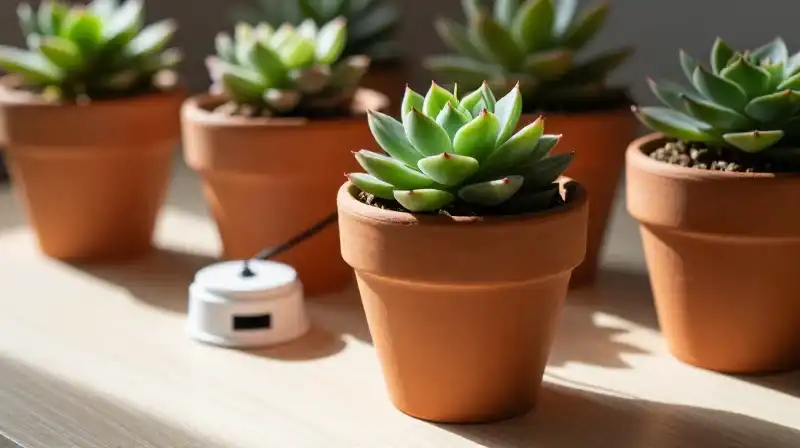 Using a moisture meter simplifies the process, but it is only one component of successful succulent care. Before you water, always verify that the moisture meter indicates a dry level (1–1.5). If you observe high soil moisture (7–10), skip watering entirely. Additionally, remember that the internal state of the soil is just one variable; the specific needs of your plant, combined with its environment, dictate the ultimate frequency of hydration. Prioritizing meter accuracy through cleaning and careful handling, combined with consistent observation, prevents the dangerous cycle of overwatering and root damage.
Frequently Asked Questions
What should the moisture meter level be for succulents?
Succulents typically require watering when the moisture meter indicates a dry level, which is typically between 1 and 1.5. If the level is saturated (7–10), the plant is at high risk of root rot and watering should be immediately suspended.
What is the best humidity level for succulents?
The article indicates that factors like the best humidity level for succulents influence how quickly the soil dries out and how quickly the plant draws water, but it does not specify what the optimal humidity level is.
How to check if a succulent needs water?
According to the article, succulents need water when a moisture meter indicates a dry level between 1–1.5 on the scale, as this signifies that the soil is dry. Conversely, if the meter reads between 7–10 (wet/saturated), watering must be suspended immediately to avoid root rot.
How to Prepare and Use a Succulent Moisture Meter
Clean the Probes
Use distilled water to clean the probes, ensuring that no mineral buildup or residual salts affect the sensor. Gently wipe the probes to remove visible surface debris.
Dry the Probes
Allow the probes to dry naturally after cleaning before attempting to insert them into the soil to guarantee accurate readings.
Position the Meter
Loosen the meter slightly if necessary, but avoid applying any force when inserting the probe.
Insert the Probe
Gently insert the probe approximately three-quarters of the way into the soil to accurately measure the moisture levels.
Remove Obstructions
Check the insertion point and remove any obstructions that might block the probe from properly contacting the soil mass.
Related Articles