Affordable Landscaping Ideas: DIY Projects for Any Budget

Introduction
Achieving a beautiful, intentional outdoor space does not require a professional landscaper or a prohibitive budget. Affordable landscaping relies on a shift in mindset: viewing construction materials and garden elements not as purchases, but as resources to be repurposed and intelligently utilized. The core of low-cost landscaping is marrying resourcefulness with strategic design, prioritizing low-maintenance solutions and natural, drought-tolerant elements. This approach minimizes future costs—in water, labor, and replacement plants—allowing you to transform any yard, no matter its starting condition, without breaking the bank.
Foundational Design: Embracing Water Conservation and Native Species
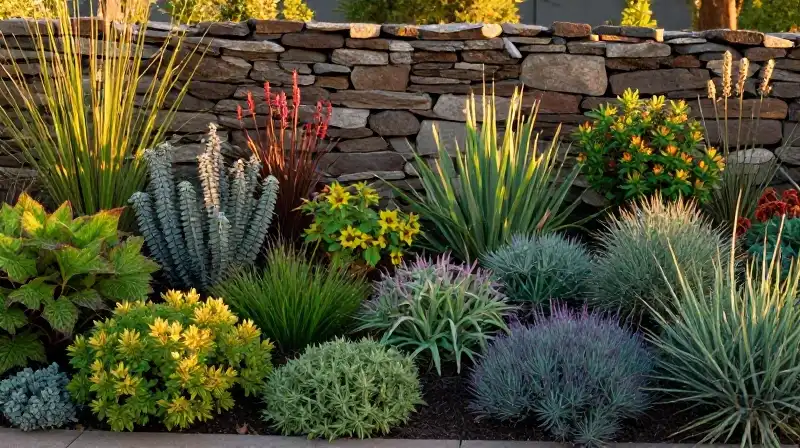
Before acquiring any materials, the most critical step in saving money is modifying your approach to planting. High-maintenance lawns are often the single biggest drain on a budget, requiring constant mowing, watering, and fertilization. The solution is embracing Xeriscaping and native plants.
Implementing Xeriscaping and Groundcover
Xeriscapes focus on landscaping that requires little to no irrigation. By selecting drought-resistant plants and grouping them based on their specific water needs, you drastically reduce utility bills. To replace vast areas of grass, utilize dense groundcover plants. These species are highly effective at suppressing weeds, retaining soil moisture, and require far less maintenance than traditional turf. This technique addresses the need for low cost landscaping ideas no grass, replacing high-input lawns with resilient flora.
Prioritizing Native and Perennial Plants
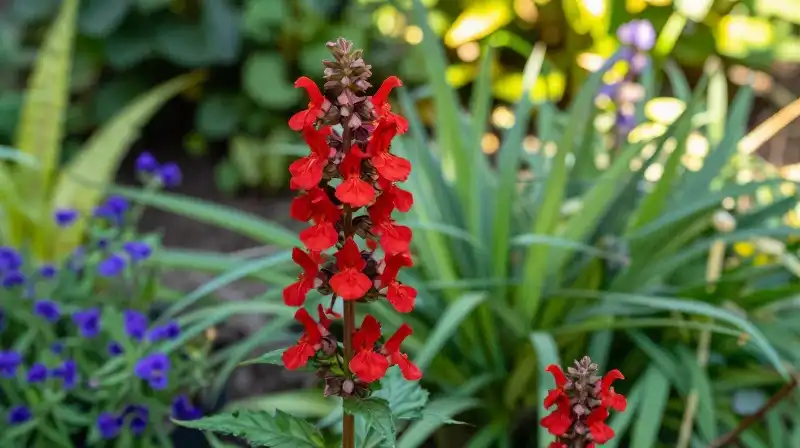
Choosing native species adapted to your local climate is the ultimate low-cost strategy. These plants have evolved to survive locally, meaning they need less supplemental water, fewer fertilizers, and are often naturally resistant to common pests. To reduce seasonal replacement costs, focus on perennial flowers. Unlike annuals, perennials return year after year, providing consistent color and structure for minimal investment once established.
Cost-Effective Hardscaping and Structural DIY Projects
Hardscaping—the non-living elements of a landscape like paths, borders, and retaining walls—can quickly escalate costs. Strategic material selection and DIY construction are essential to keeping the project affordable.
Reclaiming and Repurposing Construction Materials
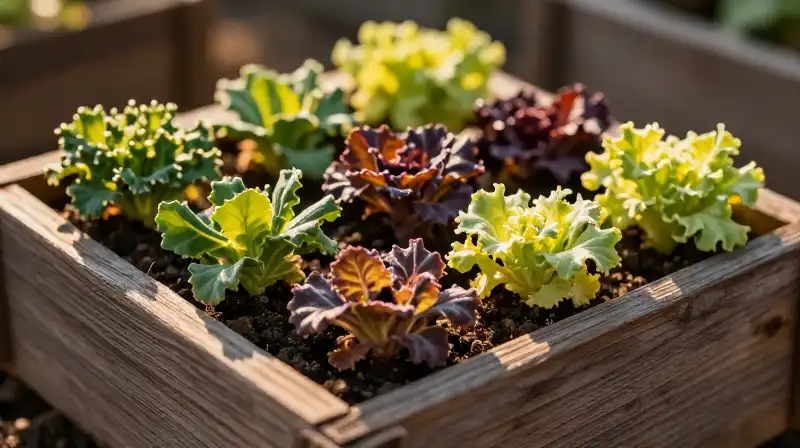
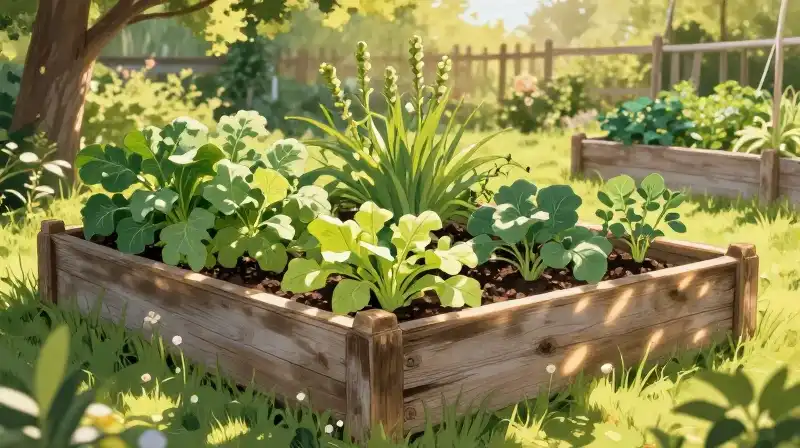
Instead of purchasing new, expensive landscaping timbers or stone, look for reclaimed options. Pallets and landscape timbers can be safely repurposed to build raised planting beds and natural borders, offering a rustic, cost-effective look. Furthermore, large amounts of bulk materials, such as mulch, shredded leaves, pea gravel, and bark, can be purchased directly from suppliers, significantly reducing the cost per cubic yard compared to smaller, retail bags.
Simplified Pathway Construction
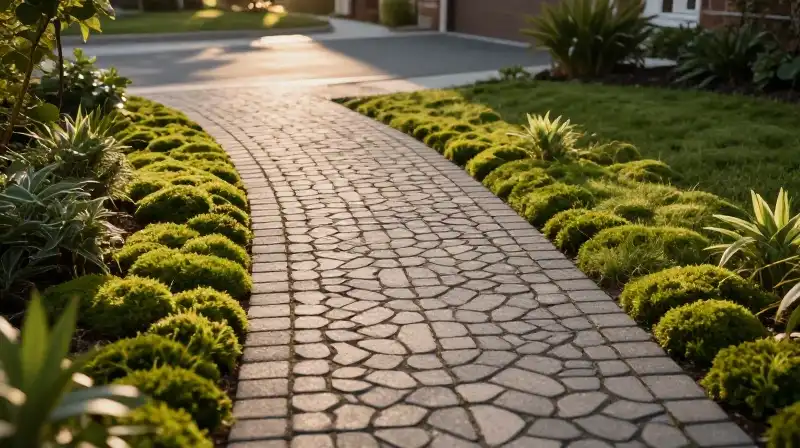
Expensive concrete paths are often unnecessary and costly to install. A simpler, more budget-friendly alternative is to construct pathways using compacted sand and decorative aggregate. You can define the edges using low-cost materials like plastic garden edging or small river stones, creating custom stone or paver pathways that are visually appealing and much easier to execute DIY.
Strategic Filling: Budget-Friendly Softscaping and Plant Sourcing
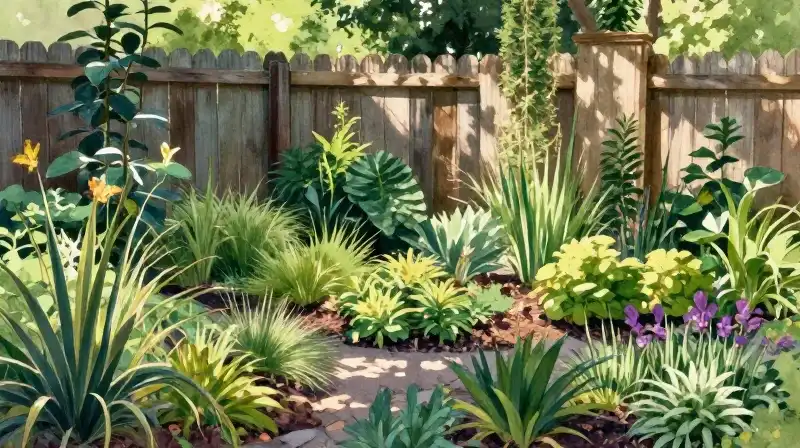
The success of your low cost landscaping ideas depends on smart filling—what you place within the hardscaping. This involves selecting hardy, adaptable plants and sourcing them wisely.
Maximizing Free and Low-Cost Plant Stock
To multiply your planting stock without spending heavily at the nursery, employ propagation techniques. Taking cuttings from established perennials is completely free. Additionally, check local community resources, garden sales, or ask neighbors for “divides” (clumps of existing plants). These free materials can quickly fill beds and create a dense, lush appearance.
Leveraging Upcycled Containers
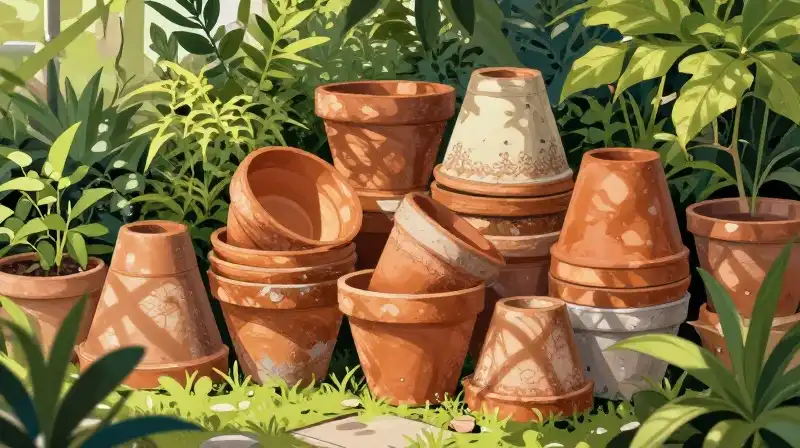
When designing container gardens, avoid buying plastic pots. Repurpose household objects such as old tubs, large buckets, hollowing out fallen logs, or even salvaged tires. These items offer unique, character-filled containers for accent plants and vegetables, significantly lowering the material cost.
Enhancing the Ecosystem: Free Amendments and Water Features
Affordable landscaping goes beyond visuals; it’s about creating a self-sustaining, healthy environment. This requires utilizing free natural resources and simple engineering.
The Power of Composting for Soil Health
Building a compost bin is one of the most impactful and cost-effective ways to improve your garden. By systematically collecting kitchen scraps (fruit and vegetable peelings) and yard waste (leaves, grass clippings), you create nutrient-dense soil amendments for free. This reduces the need to purchase expensive bagged soil and fertilizers.
Simple, Budget-Conscious Water Elements
If a water feature is a desire, a large, complex fountain is unnecessary. Consider a small, simple pond or a gentle, bubbling stone fountain. These can be created using inexpensive liners and small, modern pumps. Keeping the scope small and utilizing simple, natural stones keeps the initial investment low while providing significant aesthetic and sensory value to your backyard.
Putting It Together: Practical Implementation Strategies
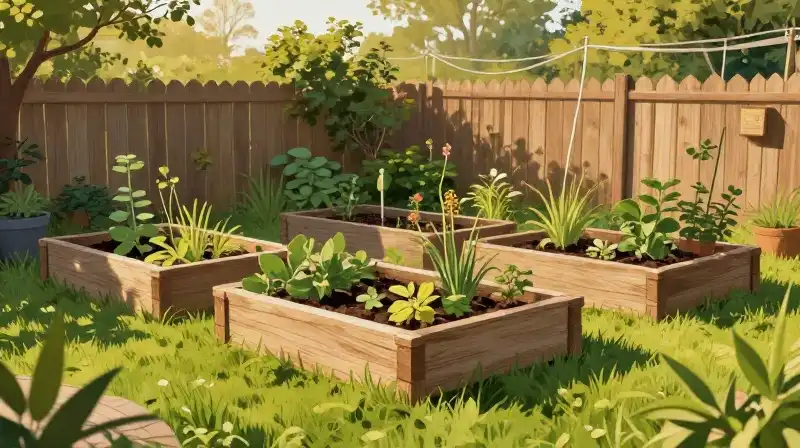
When integrating these techniques into a specific area, context matters. Whether you are aiming for a low-maintenance front yard or a complex, lush backyard, the guiding principles remain the same, but the execution changes.
| Area of Focus | Primary Cost-Saving Technique | Design Focus |
|---|---|---|
| Front Yard | Using native, low-mow groundcover | Visual curb appeal and defined, narrow pathways. |
| Backyard | Building multi-tiered beds from reclaimed wood | Creating functional zones (dining, relaxation) using upcycled materials. |
| Along Fence | Implementing linear mulch and dense perennial planting | Utilizing the fence line as a vertical border; maximizing limited space. |
Final Budget Check: Transitioning to a Resourceful Garden
The transition to a truly low cost landscaping approach requires disciplined material management and a willingness to learn basic DIY skills. The key takeaway is to prioritize function over luxury. When planning, ask: Is this element purchased, or is it repurposed? Is this plant high-input or low-maintenance? By choosing robust, adapted plants, building structures from reclaimed materials, and utilizing free amendments like compost, you move away from the cycle of expensive purchases and high-maintenance upkeep. This shift ensures that your affordable landscaping ideas result in a durable, beautiful, and sustainable outdoor sanctuary.
How to Achieve Low-Cost Landscaping
Implement Foundational Design
Modify your approach by replacing high-maintenance lawns with Xeriscapes, focusing on native species and dense groundcover to minimize water and maintenance needs.
Utilize Repurposed Materials for Hardscaping
Instead of buying new materials, use reclaimed items like pallets or timbers for raised beds and natural borders, and purchase bulk materials (mulch, gravel) directly from suppliers to reduce costs.
Construct Budget-Friendly Pathways
Avoid expensive concrete by creating pathways using compacted sand and decorative aggregate, defining the edges with low-cost materials such as plastic edging or river stones.
Source and Propagate Plant Stock
Maximize plant stock by employing free propagation techniques like taking cuttings from perennials, checking community garden sales, or collecting 'divides' from neighbors.
Enhance Soil Health with Composting
Systematically build a compost bin using kitchen scraps and yard waste to create free, nutrient-dense soil amendments, reducing the need to purchase fertilizers or bagged soil.
Related Articles