Mariposa Flower Guide: Growing Tips, Benefits, and Care

Introduction
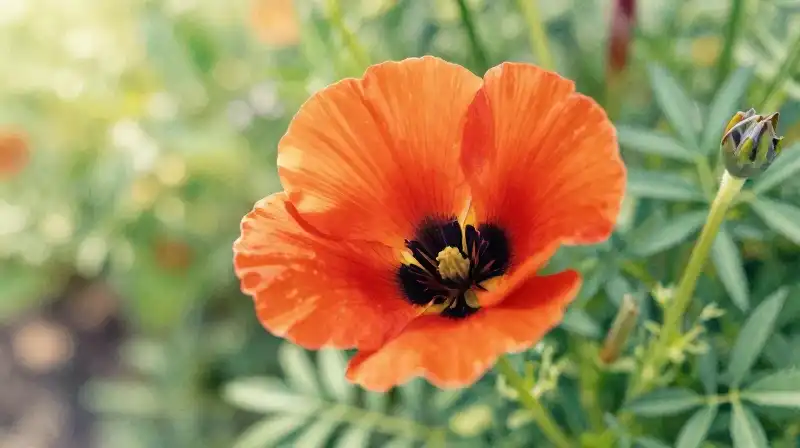
The term Mariposa flower, formally referring to species within the genus Calochortus, describes a delicate and captivating group of wildflowers native to the Western United States. Often known as Mariposa Lilies, these plants are more than just ornamental features; they are indicators of specific, often arid, habitats. A Mariposa flower is characterized by its unique, open, wedge-shaped petals (tepals) that display striking colors—ranging from bright white and sunny yellow to deep red-orange and purplish hues. Unlike common lilies, Calochortus species are highly specialized, thriving in environments that mimic dry grasslands and open chaparral. This guide provides the necessary horticultural insights to understand their origins, specific care requirements, and unique cultural significance.
Understanding the Mariposa Lilies
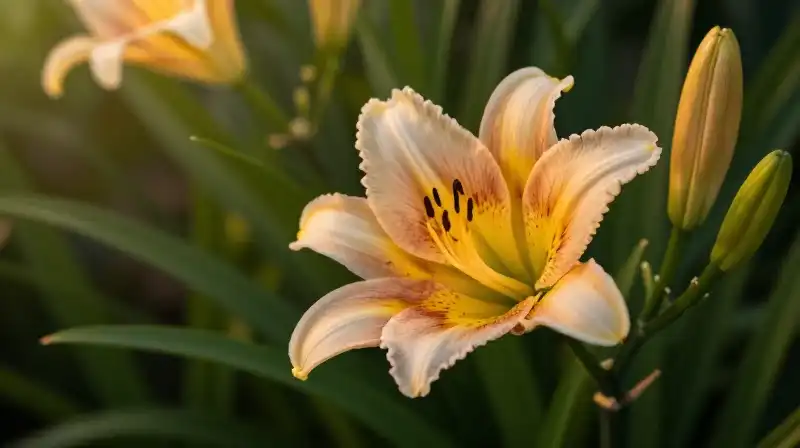
The Mariposa flower belongs to the Liliaceae family, and its widespread presence across the North American Pacific Coast makes it one of the most recognizable genera in the region. The name “Mariposa” is often used by gardeners to describe the ethereal, butterfly-like quality of their open blooms. Botanically, the flowers typically consist of six tepals, which are divided into distinct series differing in size and color, giving the bloom its distinctive, airy structure.
These plants come in several forms—herbaceous, perennial, and bulbous—but their adaptability is highly localized. Significant speciation has occurred, meaning different varieties are strongly associated with very specific microclimates, whether they are found in wet meadows, dry chaparral, or semi-desert ecosystems. Their deep connection to the landscape and native cultures adds layers of meaning beyond their visual appeal.
Optimal Growing Conditions for Mariposa Flowers
Success with Calochortus requires matching the plant to its ancestral environment, which is typically open and somewhat exposed. They are not suited for lush, heavily shaded, or consistently damp environments.
Light and Location:
- Mariposa flowers generally thrive in open areas receiving partial shade. While they can tolerate some protection from intense midday sun, they prefer the full exposure found in dry grasslands and open chaparral.
- Avoid dense, closed shade, which can inhibit proper flowering and growth.
Soil and Moisture:
- The ideal soil profile is average to moderately well-drained. These plants are adapted to soils that may be somewhat rocky or sandy, reflecting their native dry habitat.
- While they tolerate varying moisture levels, consistent overwatering should be avoided. They perform best when given adequate water during establishment and peak growing periods but are prone to stress in overly moist, bog-like conditions.
Climate and Hardiness:
Since many varieties are native to specific Western habitats, consider the hardiness of the particular species you select. Many are adapted to drier, temperate climates, and selection should be based on the intended local climate’s seasonal dryness and temperature fluctuations.
Cultural and Environmental Benefits
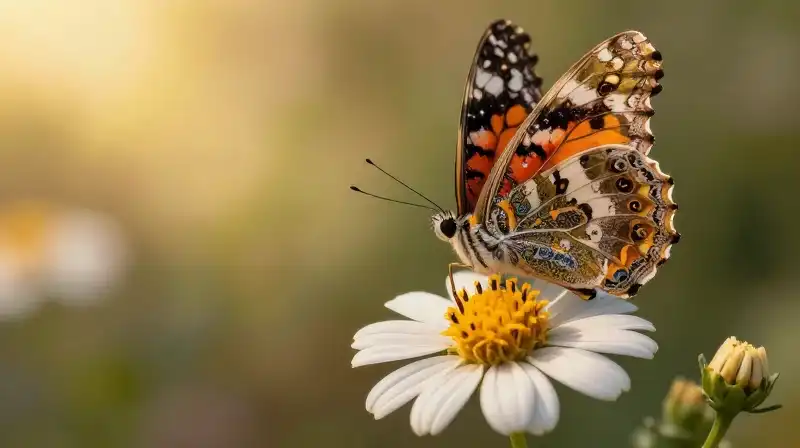
Beyond their stunning aesthetic appeal, Mariposa flowers offer historical and ecological advantages, addressing the various inquiries regarding their “meaning” and “benefits.”
Cultural Significance: Historically, many Calochortus species were vital to Native American cultures. Bulbs from various species were recognized and utilized as a starchy food source. Furthermore, the flowers themselves have been traditionally gathered for ceremonial or medicinal purposes, connecting the plants to deep cultural heritage.
Ornamental Value: In contemporary gardening, they provide unique texture and color. Their ability to thrive in drier or more challenging garden sites makes them valuable drought-tolerant ornamental species, fitting seamlessly into rock gardens and arid landscape designs. They offer a distinct contrast to traditional, water-loving flower beds.
Cultivation and Care Guide
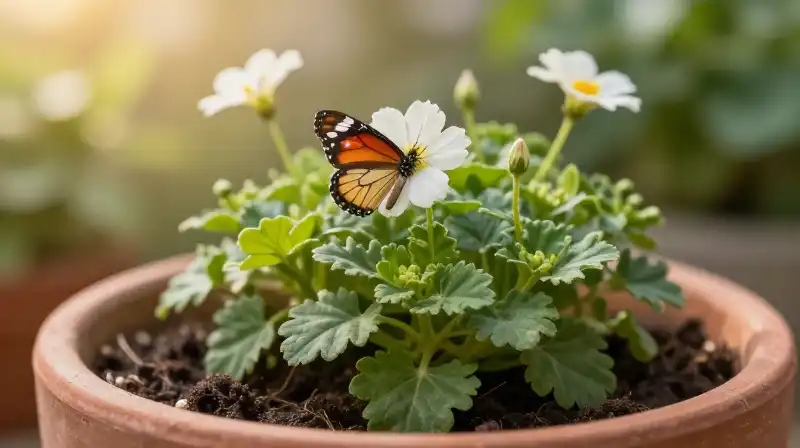
Proper Mariposa flower care focuses on maintaining a habitat that closely resembles a natural, open hillside or dry grassland.
Planting and Establishment:
- If planting from bulbs, ensure the planting depth is appropriate for the specific species, allowing for the bulb to develop fully.
- When establishing a new planting, use a mix that emphasizes drainage to prevent bulb rot.
Maintenance:
- Pruning: Unlike some herbaceous perennials, severe pruning is usually unnecessary unless the plant is crowding or is heavily damaged.
- Deadheading: To encourage repeated blooms and maintain the neat appearance of the cluster, gently removing spent flowers (deadheading) can be beneficial.
- Watering: During hot, dry summers, deep, infrequent watering is generally preferred over shallow, daily sprinkling to encourage deep root growth.
Choosing the Right Mariposa Species
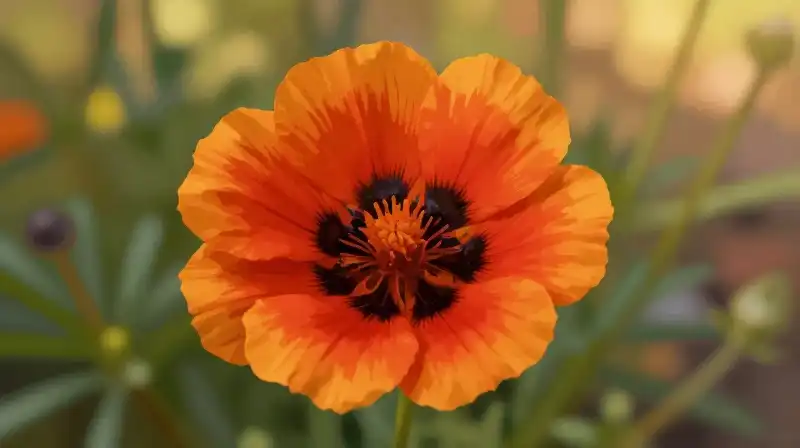
Because Calochortus is a highly speciated genus, the best approach is to select a variety that is specifically suited to your region’s ecology, rather than choosing based purely on a single color.
| Variety Characteristic | Typical Habitat / Condition | Consider This If… |
|---|---|---|
| White or Yellow Blooms | Often found in semi-arid, exposed grasslands. | You desire high visibility and brightness in open areas. |
| Purplish or Red-Orange Blooms | May favor slightly more sheltered areas or montane woodlands. | Your site has moderate shade and requires deeper color. |
| Herbaceous Forms | Tend to emerge strongly and die back annually. | You prefer a strong seasonal presence and are comfortable with annual cycle maintenance. |
Decision Criterion: If your site receives maximum sun, look for hardy species adapted to chaparral. If your site receives only morning sun, look for varieties from montane or wet meadow regions, but always prioritize drainage over moisture.
Key Takeaway for Mariposa Flower Success
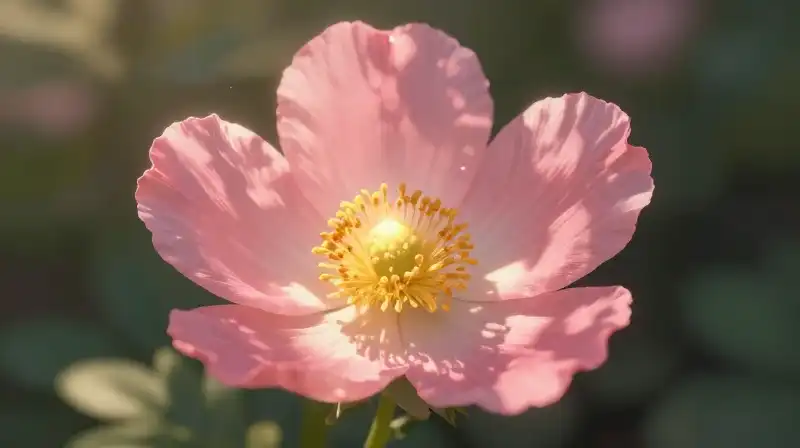
Growing Mariposa flowers is an exercise in mimicking a specific, hardy ecology. Do not attempt to adapt these plants to standard, moisture-rich garden soil or dense forest shade. Their survival depends on maintaining an environment that is open, well-drained, and reflects the natural dryness of their North American home. Focus on selecting the correct regional species and providing adequate drainage; this commitment to specific environmental conditions will yield the most beautiful and enduring blooms.
Explore more: Traditional Día de los Muertos: Symbols, History, and Custom
Frequently Asked Questions
What are the benefits of mariposa flower?
Mariposa flowers have historically provided a starchy food source from their bulbs and were gathered for ceremonial or medicinal purposes among Native American cultures. In contemporary gardening, they are valued as drought-tolerant ornamental species that offer unique texture and color in dry or challenging landscapes.
How to Grow Mariposa Flowers
Select Species
Choose a Mariposa flower variety specifically suited to your region's ecology, prioritizing habitat matching over just aesthetic preference.
Ensure Proper Planting
If planting from bulbs, ensure the depth is appropriate, and use a planting mix that emphasizes drainage to prevent bulb rot.
Control Light Exposure
Plant in open areas that receive partial shade, avoiding dense, closed shade and ensuring they are not situated in lush, heavily shaded areas.
Manage Moisture Levels
Keep soil moderately well-drained and avoid consistent overwatering; provide adequate water during establishment and peak growing periods but prevent overly moist, bog-like conditions.
Maintain Growth
Periodically deadhead (gently remove) spent flowers to encourage repeated blooms and maintain a neat appearance.
Water During Dry Periods
During hot, dry summers, employ deep, infrequent watering instead of shallow, daily sprinkling to encourage deep root growth.
Related Articles