Beaked Yucca Care Guide: How to Grow and Maintain Yucca rostrata

Introduction
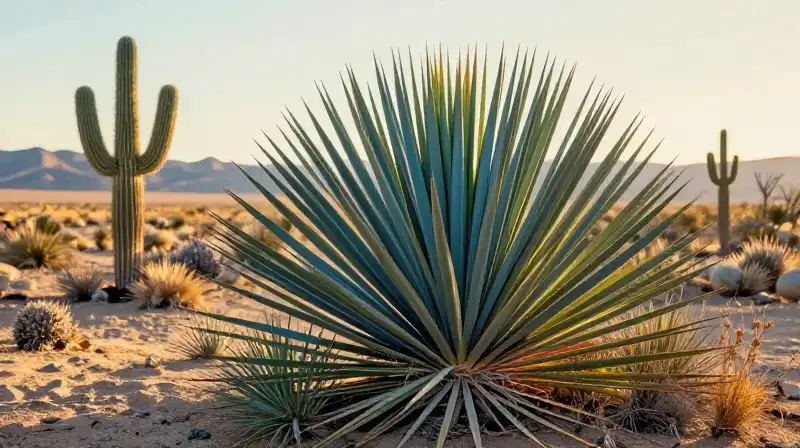
The Beaked Yucca, scientifically known as Yucca rostrata, is more than just a drought-tolerant plant; it is a dramatic, architectural statement piece. Native to arid regions of Texas and Mexico, this arborescent species stands out with its striking, symmetrical form and characteristic silver-blue foliage. With its ability to grow into a substantial, tree-like specimen, it serves as a focal point in xeriscapes and container gardens alike. If you are planning a landscape or selecting a singular specimen, understanding the specific demands of this robust plant is crucial for ensuring its longevity and visual impact.
Understanding Yucca rostrata’s Ideal Environment
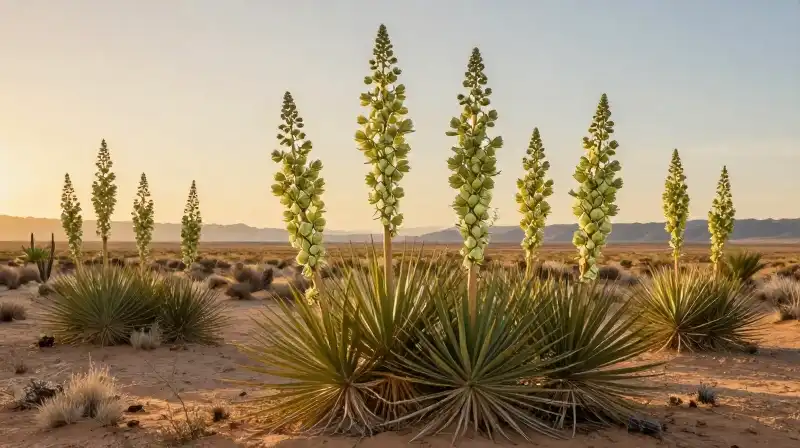
The success of your Beaked Yucca hinges on providing conditions that mimic its natural arid habitat. This species thrives on extremes—specifically, a requirement for intense sunlight and a near-absolute need for superior drainage.
Light and Climate Requirements
- Sunlight: The Beaked Yucca requires full, unfiltered sun to maintain its robust growth and striking coloration. Insufficient light will result in weak structure and stunted foliage development.
- Hardiness: This plant is highly cold-hardy. It is classified as successfully growing in USDA Hardiness Zones 5-11, making it suitable for a wide range of temperate and semi-arid climates.
- Growth Potential: Mature Beaked Yucca can achieve significant dimensions, reaching a maximum height of 20 feet and spanning up to 8 feet in width, depending on available space.
Soil and Drainage Protocol
Because Yucca rostrata naturally originates from arid regions, its primary threat is root rot, not drought. Therefore, the soil must be impeccably well-draining.
- Soil Type: Use a sandy, gritty, or specialized cactus/succulent potting mix. Avoid heavy, moisture-retentive clay soils entirely.
- Drainage: Ensure the container or planting bed has exceptional drainage. In pots, incorporate a layer of grit or gravel at the bottom, though the quality of the soil mix is the more critical factor.
Maintenance and Ongoing Care
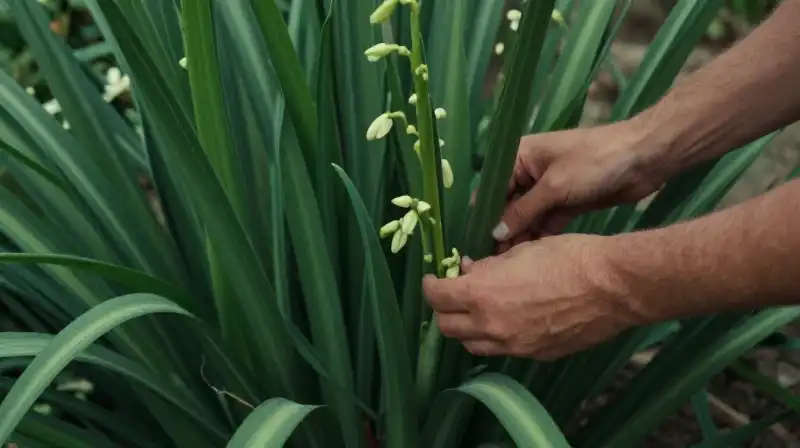
Caring for the Beaked Yucca is less about constant intervention and more about maintaining a stable, low-fuss regime. While it is known for being easy to grow, adhering to its specific water and feeding schedules is essential for maximizing its health.
The Watering Schedule: Drought Tolerance, Not Desert Ignorance
Although the yucca is drought-tolerant, improper watering is the most common cause of failure. The goal is deep, infrequent watering, allowing the soil to dry out completely between sessions.
- Wait for Dryness: Do not water until the top 1–2 inches of soil have completely dried out. This prevents the foliage from sitting in stagnant moisture.
- Application Method: When watering, apply it slowly and deeply. This ensures the moisture is distributed evenly throughout the root ball rather than simply running off the surface.
- Frequency: Watering frequency will depend heavily on environmental conditions (temperature and humidity). During the summer heat, this may be every 3-4 weeks, while in colder periods, it may stretch to every 6-8 weeks.
Fertilization Strategy and Repotting
The Beaked Yucca is naturally robust and often comes with residual nutrients, meaning immediate heavy feeding is discouraged.
- Initial Feeding: Do not fertilize immediately upon planting. The residual nutrients are usually sufficient for the initial establishment phase.
- Future Feeding: If supplementary feeding is required, use a slow-release fertilizer specifically formulated for interior plants or desert species. Apply this only during the active growth seasons—spring and fall.
- Repotting Requirements: While Yucca rostrata is extremely stable in pots, repotting should only occur when the plant becomes visibly excessive rootbound. At this point, it needs to move to a pot that allows the root system room to continue expanding without being constricted.
Practical Applications and Specific Considerations
The Beaked Yucca is valued both for its presence and its relative low-maintenance nature. However, its use in a landscape requires considering its specific traits and potential interactions with wildlife.
Natural Resilience and Landscape Use
This plant offers natural advantages for landscaping in dry climates. It is naturally resistant to deer browsing and fire, making it highly suitable for robust, low-maintenance xeriscapes.
- As a Specimen: Its towering, singular form makes it an ideal, striking focal point in a garden.
- As a Mass Planting: When planted in clusters, the uniform, symmetrical blue heads create a dynamic, textural backdrop.
Toxicity and Safety (Addressing Dog Safety)
When considering the Beaked Yucca, especially if you have pets, it is vital to know that it is toxic. This includes dogs. While the plant is not commonly eaten, ingestion of its parts can lead to health issues. It is best to ensure that any pets are kept away from the foliage, particularly young plants.
Summary of Success Criteria
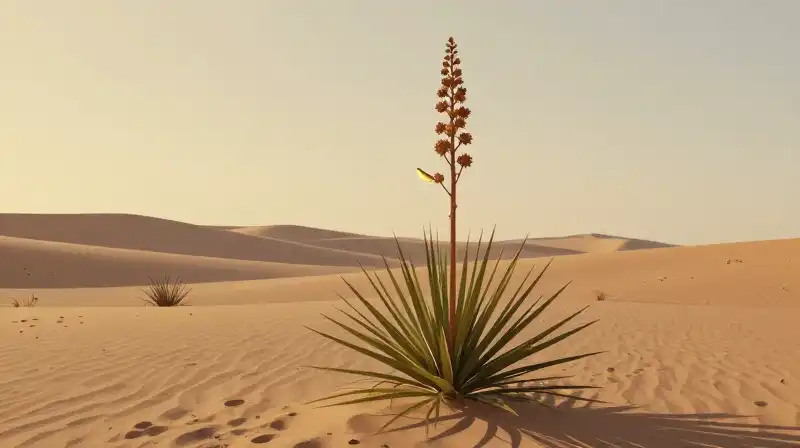
Successful growth of the Beaked Yucca is defined by precision and patience. It requires full sun, perfect drainage, and controlled watering. By treating it as a resilient, arid architectural plant rather than a typical garden specimen—avoiding over-watering and excessive feeding—you will ensure it reaches its full potential as a striking feature in your landscape.
Explore more: Dia de los Muertos Skull Designs: Symbols and Artistic Inspi
Frequently Asked Questions
Is beaked yucca toxic to dogs?
Yes, the Beaked Yucca is toxic to dogs, and ingestion of its parts can lead to health issues. Because it is toxic, it is recommended that pets are kept away from the foliage, especially young plants.
How do you care for a beaked yucca plant?
Beaked Yuccas require full, unfiltered sun and impeccably well-draining soil, such as a sandy or gritty mix. Watering should be deep and infrequent, allowing the soil to dry out completely between sessions.
How to Grow and Care for a Beaked Yucca (Yucca rostrata)
Establish Ideal Sunlight and Environment
Place the Beaked Yucca in a location that receives full, unfiltered sun to ensure robust growth and healthy foliage.
Prepare Well-Draining Soil
Use a sandy, gritty, or specialized cactus/succulent potting mix. Avoid heavy clay soils entirely to prevent root rot.
Implement Proper Watering Schedule
Water only after the top 1-2 inches of soil are completely dry. Apply the water slowly and deeply, and adjust frequency (3-4 weeks in summer, 6-8 weeks in cooler periods) based on environmental conditions.
Manage Fertilization
Do not fertilize immediately upon planting. If supplemental feeding is needed, use a slow-release fertilizer formulated for desert species during the active growth seasons (spring and fall).
Handle Repotting Needs
Repot the yucca only when it becomes visibly excessive rootbound to allow the root system room to continue expanding.
Related Articles