Fukien Tea Bonsai Care: Essential Guide to Health and Growth

Introduction
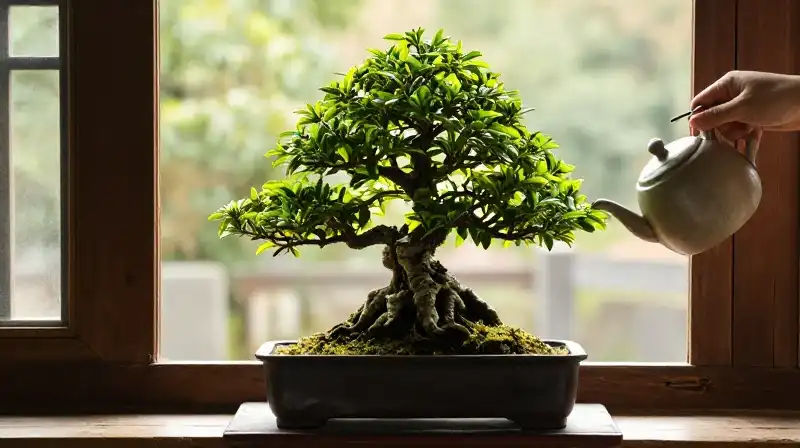
The Fukien Tea bonsai, often called *Carmona microphylla*, is a subtropical evergreen that offers a distinctive aesthetic, especially when cultivated into a miniature form. While it is native to parts of Asia and thrives in bright environments, its transition from a wild shrub to a structured bonsai requires specific horticultural discipline. Successfully managing a carmona bonsai tree involves balancing its natural need for high light and consistent moisture with the structural requirements of bonsai art. Proper care focuses on meeting its needs as a warm-weather plant, especially during colder months when supplemental environmental controls are necessary to ensure vigorous growth and vibrant foliage.
Light and Temperature: Managing the Subtropical Environment
 As a subtropical species, the Fukien Tea demands significant natural light to thrive. In tropical regions, full sun is often ideal, allowing the dense foliage to expand and maintain its deep green hue. The required temperature range is approximately 70°F (20°C). When cultivation moves indoors or into areas with limited winter daylight, environmental adjustments become crucial:
- Winter Adaptation: During colder months or cloudy winters, indoor placement is necessary. This mandates the use of high-quality plant lamps to mimic the intense natural light the shrub requires.
- Humidity and Warmth: Since these plants prefer warmth, indoor cultivation requires the use of humidifiers to mitigate the dry air often created by central heating. Maintaining consistent, moderate temperatures year-round is essential for maintaining root health.
- Light Quality: Adequate light is not just about intensity; it must be consistent. Insufficient light will lead to weak, spindly growth, compromising the overall structure of the fukien tea bonsai tree.
Root Health and Soil Requirements
Moisture management is perhaps the most delicate aspect of keeping a Fukien Tea healthy, as the plant demands consistent hydration without allowing the roots to suffocate. The key is finding the balance between consistent moisture and avoiding waterlogged soil.
Potting Mix Selection
A well-draining yet moisture-retaining potting medium is necessary. An ideal mix for this specific carmona bonsai tree typically consists of:
- Akadama (for water retention and structure)
- Humus (for nutrients and aeration)
- Pumice or Perlite (for excellent drainage)
Watering Practice
Watering should be done regularly, ensuring the soil is consistently moist. However, to prevent root damage, you must never allow the medium to become waterlogged. Always allow the top layer of soil to dry slightly before the next watering. Overwatering is a primary cause of decline in this species.
Seasonal Nutrition and Pruning for Structure
 Regular maintenance dictates the shape and health of the fukien tea. Pruning and fertilization are seasonal tasks that must align with the plant’s active growth cycle.
Fertilization Schedule
Nutrient application should be strategic, focusing on the peak growing seasons:
Timing: Fertilize from early spring through autumn. Avoid applying nutrients during the dormant winter months, which can stress the roots and encourage disease.
Application Method: Use either organic solid fertilizer or liquid fertilizer. In either case, always apply nutrients only to moist soil to ensure efficient uptake and prevent root burn.
Pruning for Bonsai Density
Pruning serves two functions: maintaining the miniature scale of the tea bonsai, and encouraging a dense, well-branched structure.
The best time for pruning is when the shoots are still young and flexible. By carefully removing some of the new growth, you stimulate the plant to produce smaller, bushier side shoots rather than long, sparse ones, leading to a highly structured and visually appealing tree.
Repotting is typically reserved for every two years, ideally performed in the early spring, to refresh the root system and maintain the quality of the potting mix.
Addressing Common Health Challenges
Even with the best care, conditions can shift, making the fukien tea susceptible to certain issues. Maintaining preventative measures is critical to securing the health of your carmona bonsai tree fukien tea.
Pest Management
The fukien tea, under poor conditions or stress, can be targeted by common indoor pests. Keep an eye out for:
- Spider Mites: Often found in dry air; address with increased humidity and specific treatment.
- Scale and Whiteflies: These require regular inspection and preventative application of appropriate botanical treatments.
Corrective Care for Chlorosis
If you notice yellowing leaves, particularly between the veins (chlorosis), it can often be a sign of mineral lockout or deficiency. If using hard tap water, calcium and magnesium buildup can inhibit nutrient absorption. This issue can be directly addressed by periodically applying an iron fertilizer supplement to ensure adequate iron levels are available for the plant to uptake.
A Balanced Approach to Fukien Tea Care
 The success of cultivating a fukien tea bonsai hinges on managing the environmental variables that mimic its natural subtropical home. By prioritizing consistent light intensity, strictly managing soil moisture (remember, consistently moist, but never waterlogged), and adhering to seasonal fertilization and pruning practices, you can cultivate a thriving and structured fukien tea bonsai tree. The key to longevity is preventative monitoring: addressing pests and environmental stressors early ensures that this beautiful carmona bonsai tree maintains its vibrant health and intricate form.
Related Articles