Growing Purple Daydream Loropetalum: Care, Spread, and Drawbacks

Introduction
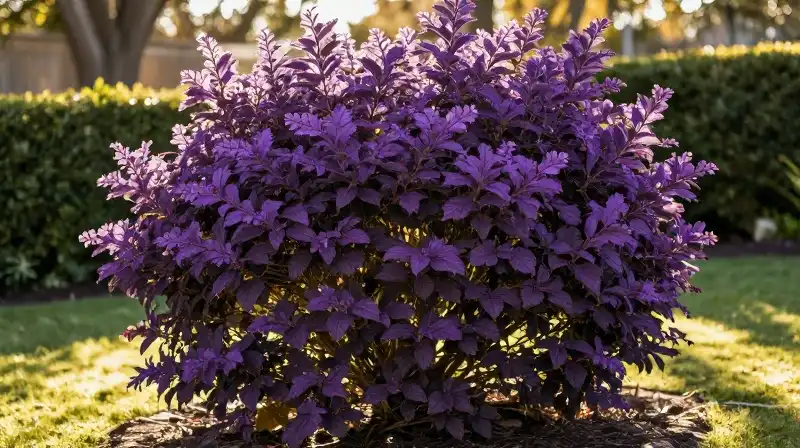
The Purple Daydream loropetalum (Loropetalum) is a highly sought-after evergreen shrub celebrated for its striking, deep purple foliage and vibrant, dark pink spring flowers. This cultivar combines the resilience of its genus with the aesthetic appeal of a tropical hue, making it an excellent choice for foundational landscape planting. However, successfully growing a Purple Daydream Loropetalum requires understanding its specific needs, particularly regarding its growth patterns and limitations. This guide provides a comprehensive look at the care requirements, expected size, potential drawbacks, and ideal placement to help you maximize the health and beauty of your planting.
Ideal Placement and Conditions for Purple Daydream Loropetalum
Because Purple Daydream is an evergreen variety, it provides year-round structure and color. Its suitability, however, is tied directly to sunlight and soil quality. It performs best in environments where it can thrive without excessive stress.
Light and Climate
Purple Daydream is highly adaptable but performs optimally in partial shade or dappled sunlight. While it can tolerate full sun, intense afternoon heat, especially in warmer climates, can cause leaf scorching or reduced foliage density. Areas that receive bright morning light and filtered afternoon shade are ideal.
- Optimal Sunlight: Partial shade or bright, indirect light.
- Tolerance: Can survive full sun if moisture levels are consistent.
- Hardiness: Generally suitable for temperate zones (always verify local hardiness zones, as growth rates vary).
Soil and Drainage
Excellent drainage is non-negotiable. Loropetalums dislike standing water, which can lead to root rot. The soil should be rich in organic matter, loamy, and well-drained. If your native soil is heavy clay, amending it heavily with compost or coarse grit will significantly improve root health.
Detailed Cultivation and Care Guide
Proper care ensures your Purple Daydream remains lush and resistant to common lawn pests like deer. Regular attention to watering and pruning is key to maintaining its compact, vibrant form.
Watering Needs
While established shrubs require less frequent watering, young plants need consistent moisture, especially during the first growing season. Water deeply when the top inch of soil feels dry to encourage strong root growth. Purple Daydream thrives on consistent moisture but requires that water quickly drains away.
Pruning and Maintenance
To maintain its compact size and encourage a bushy, vigorous shape, light pruning is recommended after the main spring bloom. This shaping helps direct the plant’s energy into maintaining dense foliage rather than overly leggy growth. Since it is inherently deer-resistant, minimal pest intervention is usually required.
- Pruning Timing: Best done late spring or early summer after flowering.
- Purpose: To maintain shape and promote denser, bushier growth.
- Fertilizing: Use a balanced, slow-release fertilizer in the early spring. Avoid high-nitrogen fertilizers during the fall, which can encourage excessive leaf growth at the expense of winter hardiness.
Growth Expectations: Size and Spread
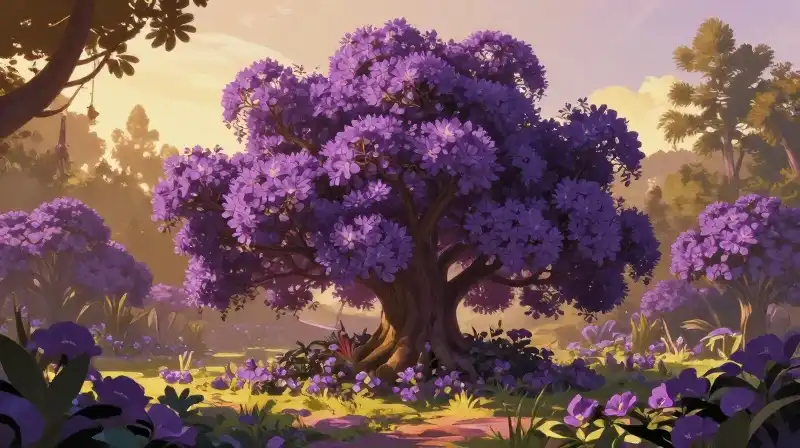
When planting Purple Daydream Loropetalum, managing expectations regarding its ultimate size is crucial for landscape design. While the cultivar is known for being relatively compact, size varies based on planting conditions and age.
Size and Height Benchmarks
A well-cared-for Purple Daydream tends to develop a manageable profile. For typical container and small-to-medium landscape settings, anticipate the following general dimensions:
| Metric | Range |
|---|---|
| Height | 2 to 4 feet |
| Spread (Width) | 3 to 5 feet |
Addressing Spread and Growth Rate
Purple Daydream Loropetalum is generally not considered a vigorous spreader. Unlike some groundcovers or aggressive varieties, its growth is more contained. However, if planted without adequate staking or if it receives excessive nutrients, it can become slightly more expansive. Providing defined border placement prevents it from encroaching on walkways or other plantings.
The Drawbacks: Understanding Loropetalum Limitations
As with any plant, Purple Daydream has limitations. Understanding these “cons” allows you to avoid common planting errors.
Common Growth Constraints
The primary drawbacks of Purple Daydream relate to environmental demands and specific aesthetic preferences:
- Sun Sensitivity: While it handles partial shade well, overexposure to scorching, intense, hot midday sun can lead to leaf burn, potentially damaging the prized deep purple color.
- Water Dependence: Its need for consistent moisture means that during extended droughts, its stress levels increase rapidly, and foliage may curl or lighten.
- Seasonal Flowering: The vibrant pink flowers are typically spring-specific. In regions with unpredictable weather, the timing and intensity of the bloom may vary.
Choosing Your Loropetalum: Purple Daydream vs. Alternatives
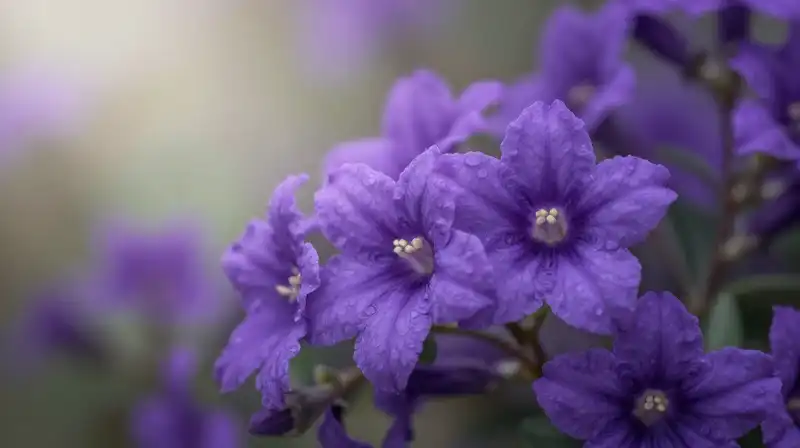
If you are comparing Purple Daydream to other cultivars, the choice depends entirely on your primary landscape goal—whether it is deep color, height, or textural contrast.
Comparison of Popular Cultivars
Sometimes, the specific shade or growth habit of a cultivar is the deciding factor. Comparing Purple Daydream to others offers clarity:
| Cultivar | Primary Foliage Color | Flower Color | Growth Habit | Key Distinction |
|---|---|---|---|---|
| Purple Daydream | Deep Purple | Dark Pink/Magenta | Compact/Bush | Excellent deep purple tone; highly manageable size. |
| Crimson Fire | Reddish-Purple | Variable/Subtle | Medium/Vigorous | Stronger red-fire tones; often more robust in full sun. |
| Purple Diamond | Varied Purple | Small/Subtle | Mounded | More focused on intense foliage than flower display. |
Practical Steps for Successful Installation
Before purchasing your Purple Daydream Loropetalum, verify the following three factors. These steps shift the decision-making process from simply ‘want’ to ‘will thrive.’
- Assess Your Light Map: Pinpoint the exact hours of sun each spot receives. If it receives intense, hot afternoon sun, consider planting in a spot that offers natural afternoon shade to protect the foliage.
- Verify Drainage: Dig a small test hole to ensure that rainwater does not sit or pool. If drainage is poor, plan to plant in raised beds or heavily amend the soil.
- Determine Appropriate Potting/Size: For young plants, selecting a 2-gallon or 3-gallon container provides a better root system foundation than smaller nursery pots, leading to faster maturity and greater plant resilience.
By addressing light requirements, soil composition, and expected growth limitations, you can ensure that your Purple Daydream Loropetalum is not just a beautiful addition, but a lasting and thriving centerpiece in your garden.
Frequently Asked Questions
What are the cons of Loropetalum?
The primary drawbacks are environmental demands, such as intense midday sun which can cause leaf burn, and a need for consistent moisture meaning it rapidly increases in stress during droughts. Furthermore, its vibrant pink flowers are typically spring-specific and may vary in timing or intensity depending on local weather.
Where to plant purple daydream?
Purple Daydream performs optimally in environments with partial shade or dappled sunlight, specifically areas that receive bright morning light and filtered afternoon shade. It requires excellent, well-drained, loamy soil to prevent root rot.
Does Purple Daydream Loropetalum spread?
Purple Daydream Loropetalum is generally not considered a vigorous spreader, and its growth is more contained compared to aggressive varieties. It may, however, become slightly more expansive if it is planted without adequate staking or receives excessive nutrients.
How to Successfully Install Purple Daydream Loropetalum
Assess Your Light Map
Pinpoint the exact hours of sun each spot receives. If it receives intense, hot afternoon sun, consider planting in a spot that offers natural afternoon shade to protect the foliage.
Verify Drainage
Dig a small test hole to ensure that rainwater does not sit or pool. If drainage is poor, plan to plant in raised beds or heavily amend the soil.
Determine Appropriate Potting/Size
For young plants, select a 2-gallon or 3-gallon container provides a better root system foundation than smaller nursery pots, leading to faster maturity and greater plant resilience.
Related Articles