Growing Golden Vicary Privet: Planting, Care, and Best Uses

Introduction
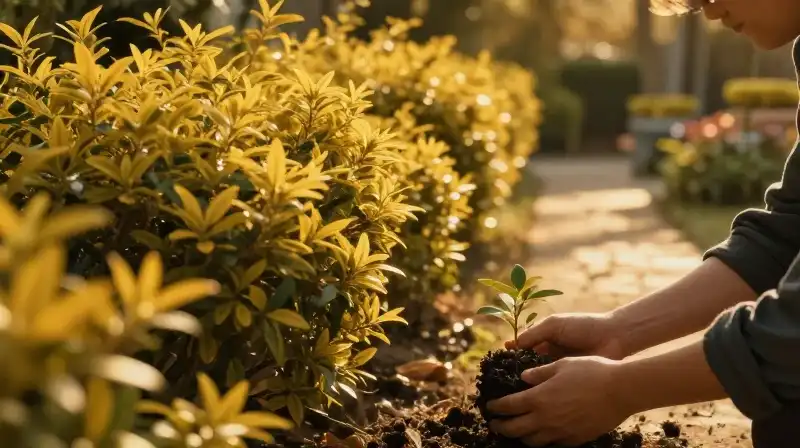
The Golden Vicary Privet, known for its vibrant, all-season golden foliage, is a highly adaptable and resilient shrub that excels in demanding landscape conditions. Unlike many plants whose leaves lose their luster in winter, this hybrid maintains a striking chartreuse or yellow hue from late spring through autumn. If you are considering this shrub for landscaping—whether for a formal hedge, a natural screen, or a colorful accent—understanding its specific maintenance requirements is essential. This guide provides detailed, practical insights into planting, care, and the specialized pruning necessary to ensure your Golden Vicary Privet thrives for many years, despite its robust nature.
Planting and Environmental Needs
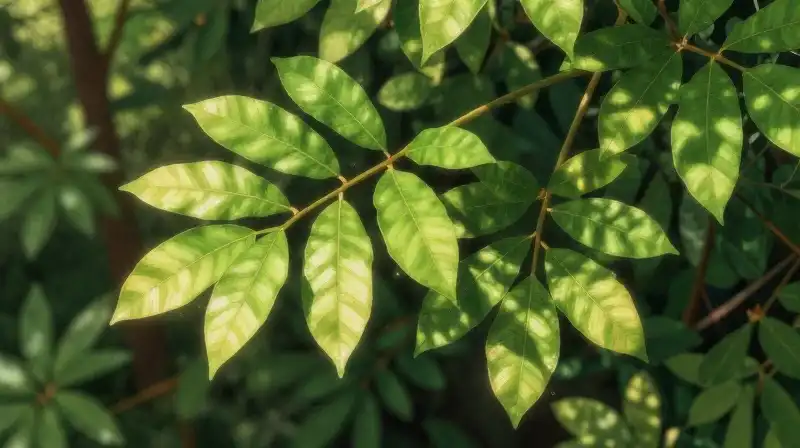
Golden Vicary Privet is exceptionally versatile regarding where it can be placed. It is a deciduous, multi-stemmed shrub belonging to the olive family (Oleaceae), and its adaptability to diverse environments makes it a reliable choice for various climates and terrains.
Soil and Sunlight Requirements
The most critical factors for establishing and maintaining a healthy Golden Vicary Privet are sun exposure and soil tolerance:
- Sunlight: The plant thrives in full sun but can also tolerate partial shade. Placing it in direct sunlight is recommended to maximize the intensity of the golden foliage and overall health.
- Soil Quality: This shrub is highly adaptable and shows no strong preference for specific soil types or pH levels. It performs well in both dry and moist soil conditions, making it an excellent choice for difficult or unpredictable garden spots.
Hardiness and Resilience
Beyond its tolerance for varied soil, the Golden Vicary Privet possesses natural resilience. It can handle urban pollution and environmental salts effectively. It is also noted for its resistance to both drought and certain common wildlife pressures, such as deer browsing, which minimizes maintenance efforts.
Growing and Shaping the Shrub
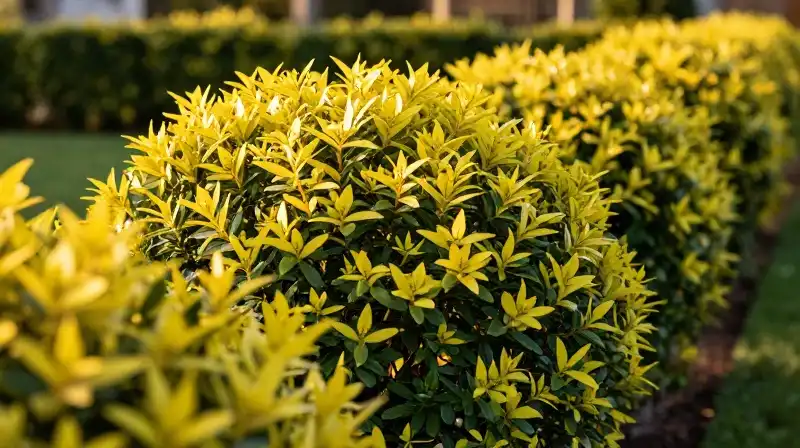
The growth habit of the Golden Vicary Privet can be adjusted to suit various design needs, such as creating a boundary or providing a dense screen. However, its unique floral cycle dictates a specific approach to pruning.
Understanding the Growth Rate and Size
As a perennial shrub, its growth is consistent, although exact size and growth rates depend heavily on localized climate and available space. It is utilized successfully as a specimen, an informal screen, or a hedge, offering versatility in its final form.
The Importance of Pruning Timing
Pruning the Golden Vicary Privet is a form of “maintenance,” as it takes well and can be shaped almost any time of year. However, you must be mindful of the bloom cycle to ensure continuous flowering:
- The Floral Cycle: The creamy white tubular flowers develop in late spring. The shrub’s flowering ability is linked directly to new growth.
- Pruning Strategy: If you are forming a hedge or screen, allow the shrub to maintain its natural shape. Crucially, when pruning, always consider that the subsequent year’s flowers develop on the new growth. If you cut back heavily, you are determining the size of the bloom cycle for the following season.
- Post-Pruning Care: To maintain its intended golden-yellow appearance, it is generally best to avoid trimming the new golden-yellow shoots too severely, as they are vital for the plant’s structure and visual appeal.
Toxicity and Potential Problems

A common concern regarding the plant is its safety and susceptibility to pests. Addressing these queries directly ensures peace of mind for gardeners.
Is Golden Privet Poisonous?
When considering pet or child safety, it is prudent to be aware that many plants in the Oleaceae family can be toxic. While the summary does not detail the specific lethality, the general advice for any landscape plant of this type is to treat it as potentially toxic. If the shrub is placed in areas accessible to pets or small children, be aware of the potential risks.
Common Health and Maintenance Challenges
Generally, the Golden Vicary Privet is considered robust and rarely suffers from severe insect infestations or major diseases. However, minor issues can arise:
What to Monitor:
- Color Shift: As the plant matures, the foliage may shift from bright yellow to chartreuse, and in autumn, reddish tones may appear. This is a natural progression rather than a sign of stress, but it is important to distinguish it from yellowing caused by nutrient deficiency.
- Pest Management: While resistant, keeping the shrub in good health through proper watering and nutrient supply will help prevent any minor pest issues from becoming serious.
Uses in the Landscape
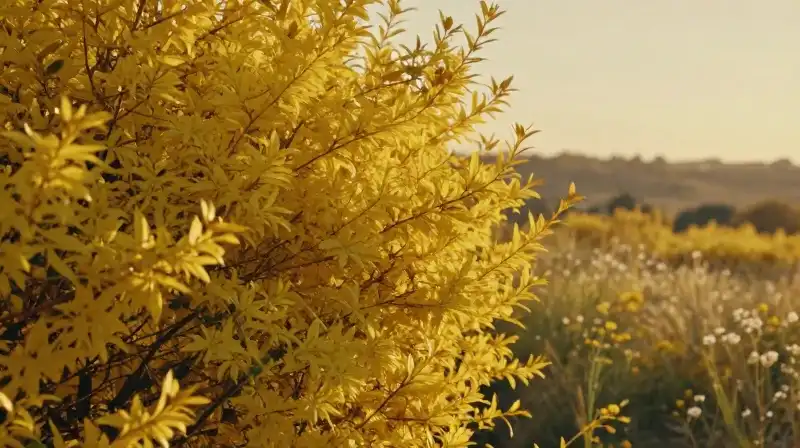
The unique characteristics of the Golden Vicary Privet—its dense growth and year-round color—make it highly sought after for specific landscaping projects.
Design Applications:
- Informal Screens: Its dense, multi-stemmed habit makes it excellent for creating natural, textured privacy screens without the need for a rigidly formal design.
- Specimen Planting: Its striking golden foliage allows it to be planted individually to serve as a dramatic focal point in a larger garden.
- Hedging: Because it is naturally dense and takes well to pruning, it is a reliable candidate for low-to-medium height hedges.
- Border Planting: The vibrant color contrasts well with both dark bark and lush green groundcover, making it ideal for garden borders.
Decision Criteria for Planting Golden Vicary Privet
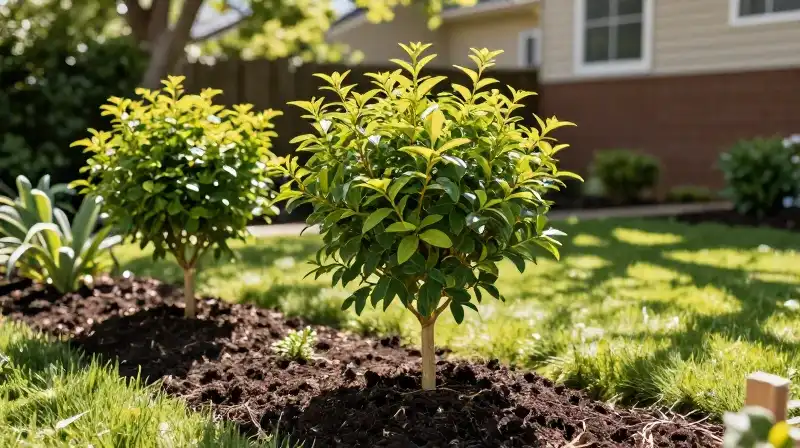
Before purchasing, you can use these criteria to ensure the shrub will meet your design needs and thrive in your specific microclimate.
| Criteria | Ideal Scenario | Plant Care Implication |
|---|---|---|
| Available Space | Need a dense screen or hedge. | Choose a variety or location where the shrub can be managed (pruned) to maintain its intended shape. |
| Soil Quality | Soil is poor or irregularly watered. | This is a forgiving plant; it will adapt successfully to dry or moist soil without specialized amendments. |
| Maintenance Level | Desire low-maintenance foliage. | The shrub is resilient to typical pests and diseases, requiring routine pruning only to maintain form. |
Synthesis: Practical Implementation

The Golden Vicary Privet is a top-tier choice for robust, low-effort landscaping. Its defining feature—the shift to a rich golden color—makes it a functional plant that also delivers high visual impact. To achieve the best results, focus on the basics: provide full sunlight, and be mindful of your pruning decisions to preserve the plant’s long-term flowering potential. Since it is highly tolerant of adverse conditions, its success primarily depends on its visibility—placing it where its vibrant foliage can catch the light and showcase its unique seasonal color transformation.
Frequently Asked Questions
Is golden privet poisonous?
It is recommended to treat the Golden Vicary Privet as potentially toxic, as many plants in the Oleaceae family can be toxic. Gardeners should be aware of potential risks if the shrub is placed in areas accessible to pets or small children.
Planting and Caring for a Golden Vicary Privet
Establish Location and Environmental Needs
Select a location where the shrub receives full sun, although it can tolerate partial shade.
Prepare the Soil
Place the shrub in a spot with adaptable soil; it performs well in both dry and moist conditions and does not have a strong preference for specific pH levels.
Plant the Shrub
Establish the Golden Vicary Privet in the chosen environment, ensuring it has space to grow according to its intended use (e.g., hedge, screen, specimen).
Observe Natural Growth and Maintenance
Allow the shrub to maintain its natural shape for screening or hedge purposes, but monitor it for color shifts which are often a natural progression.
Prune Thoughtfully
When pruning, always consider that subsequent year's flowers develop on new growth; avoid severely cutting back if continuous flowering is desired.
Ensure Long-Term Health
Maintain the shrub's golden-yellow appearance by avoiding trimming the new golden-yellow shoots too severely and keeping it in good health through proper watering and nutrient supply.
Related Articles