Tall Bearded Iris: Sourcing, Propagation, and Planting Tips

Introduction
The Tall Bearded Iris is celebrated for its impressive stature and dramatic display of colors, making it a staple in many gardens. Successfully growing these magnificent plants, however, requires understanding a specific lifecycle that spans from commercial propagation to meticulous planting. Whether you are seeking a particular color, trying to locate a reputable source, or simply preparing your soil for the spring, knowing how these rhizomes operate is essential for a successful bloom. This guide covers everything necessary—from timing your acquisition to ensuring proper post-planting care—to help you cultivate these striking perennials.
Understanding the Commercial Lifecycle of Rhizomes
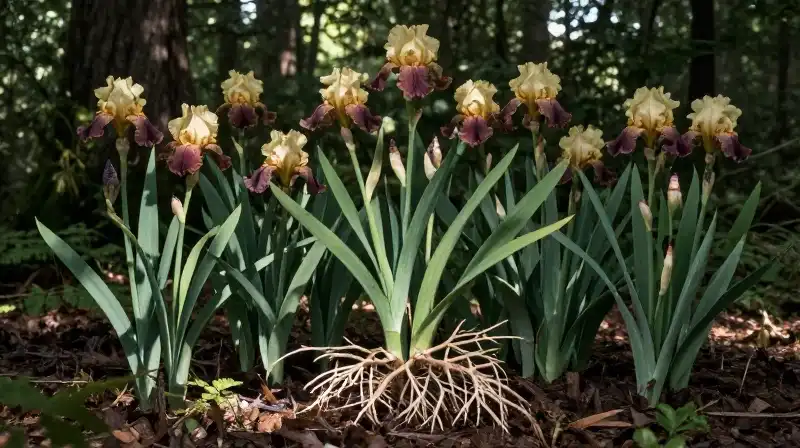
The commercial supply of the tall bearded iris relies almost entirely on the rhizome, which is the fleshy, subterranean stem that serves as the plant’s reproductive unit. These rhizomes are not grown from seeds; they are harvested from established, field-tested plants. The primary harvest season for these rhizomes generally runs from July through September. Growers prepare and ship these bulbs directly from the fields where they were cultivated.
This reliable propagation method allows for the consistent introduction of new varieties. Reputable suppliers continually field-trial new cultivars, blending these novel selections with time-tested favorites to ensure robust performance in various garden conditions. When reviewing a Tall Bearded Iris CATALOGUE, recognizing that the stock is sourced from these established fields speaks to the proven performance of the varieties offered.
Choosing Your Tall Bearded Iris: Selection Criteria
The vast selection of irises means that decision-making should be based on your specific garden constraints and desired aesthetic. Before purchasing a specific variety, consider these criteria to ensure the plant will thrive in your environment:
- Sunlight Needs: While they generally prefer full sun, some varieties tolerate partial shade, though blooms may be less robust.
- Mature Size: Some are standard, while others qualify as extra tall bearded iris varieties. Determine the required space for the mature plant before placing your order.
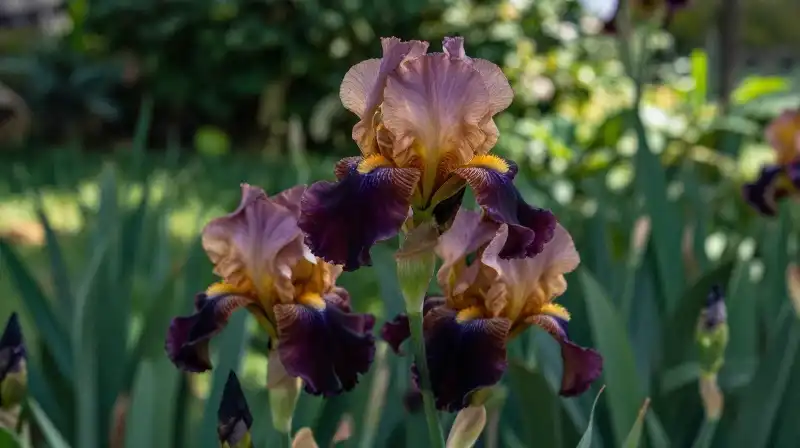
- Color Profile: If you are specifically looking for a tall bearded iris white, be aware that “white” can range from a creamy ivory to a stark, cool white, each offering a different visual impact.
- Hardiness: Check the plant’s hardiness zone to ensure it can survive your local winter temperatures.
Where to Source Tall Bearded Iris Rhizomes
Sourcing the right rhizomes requires looking for specialized suppliers who handle the entire lifecycle, from field trials to retail sales. Many reputable operations, such as those with extensive regional cultivation, offer a wide range of options.
When purchasing, focus on these practical elements:
- Provenance and Quality: Look for suppliers who state their plants have been subjected to field trials. This offers a stronger guarantee of robust garden performance compared to generic nursery stock.
- Availability: Because the harvest is seasonal (July–September), planning your purchase around this timeframe is key to securing the freshest stock.
- Documentation: A good supplier will provide detailed information about the specific cultivar, including the plant’s height, expected bloom time, and light preferences.
Preparing the Soil and Planting Process
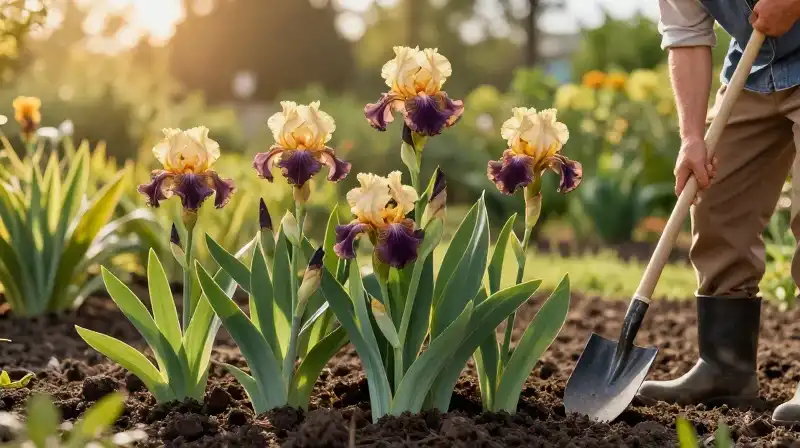
Proper preparation is just as critical as the choice of variety. Even the most spectacular tall bearded iris will struggle if the soil is not correctly amended and positioned.
Soil Preparation Essentials
Tall bearded irises require excellent drainage. Because they are grown from rhizomes, poor drainage can lead to root rot, a common failure point. Start by amending your existing soil with plenty of organic matter (like aged compost) to improve aeration and structure. If your soil is heavy clay, incorporating sharp grit or coarse sand will aid in drainage.
Depth and Spacing Recommendations
Plant the rhizome so that the “crown” (the center) of the bulb is slightly above the soil line, but the longer, flatter wing sections of the rhizome are buried slightly lower. This encourages strong, vigorous growth. Maintain adequate spacing between individual rhizomes to allow for optimal airflow and light penetration, which is vital for developing strong canes and abundant blooms.
Addressing Specific Iris Queries
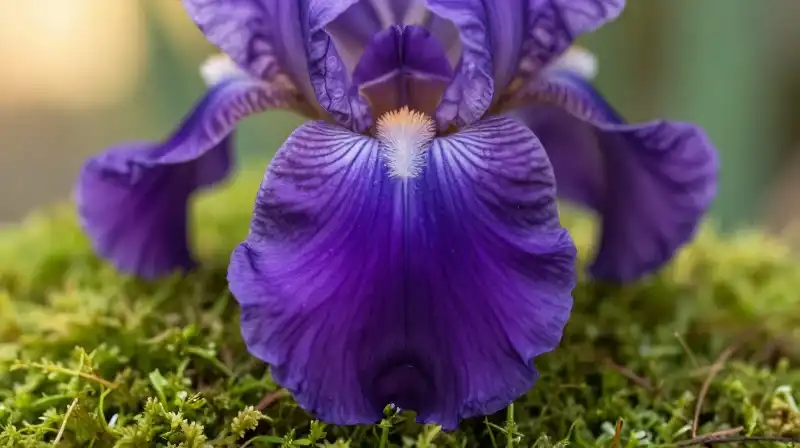
Many enthusiasts have common questions regarding the classification and specific types of these irises.
What is the Tall Bearded Iris scientific name?
The general genus for tall bearded irises is Iris. While various species exist, the cultivated type falls under this umbrella. Using the correct botanical nomenclature helps in accessing specialized horticultural information.
How do I distinguish between standard and miniature varieties?
The term “Miniature” often refers to bulbs with a smaller overall stature and typically more compact rhizomes. While some fall within the broader tall bearded category, they are sized specifically for smaller containers or less demanding garden spaces. The “Extra tall” designation simply specifies those varieties that exceed standard height metrics.
Practical Warnings for Successful Cultivation
To ensure longevity and continued rebloom, consider these key practical warnings:
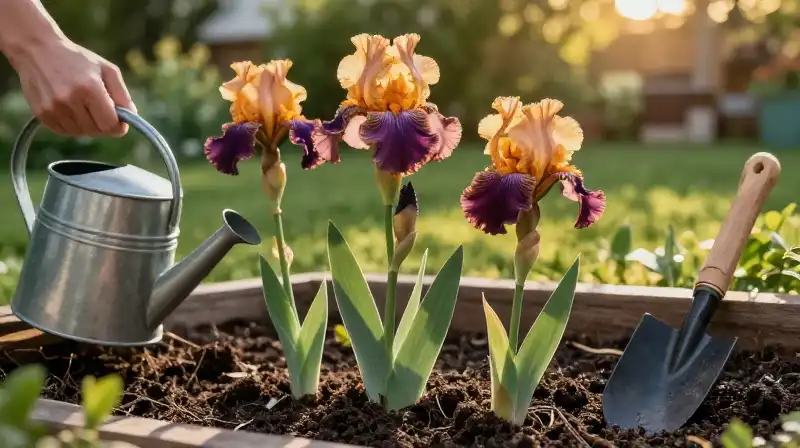
- Water Management: While they need consistent moisture during active growth, they require deep, thorough watering rather than frequent, shallow sprinkles. Allow the soil to dry slightly between deep waterings once the initial establishment phase is complete.
- Division: Over time, a large clump of irises should be divided. Harvesting and separating the rhizomes before they become overly congested promotes a fresher, healthier plant and encourages more subsequent flowering.
- Pests and Disease: Keep a close eye on the foliage. Healthy soil and proper spacing reduce the risk of common fungal issues, such as leaf spots or crown rot.
How to Cultivate Tall Bearded Iris Rhizomes
Amend the Soil
Amending your existing soil with plenty of organic matter, such as aged compost, improves aeration and structure. If your soil is heavy clay, incorporate sharp grit or coarse sand to aid drainage.
Determine Spacing
Maintain adequate spacing between individual rhizomes to ensure optimal airflow and light penetration, which is vital for developing strong canes and abundant blooms.
Plant the Rhizome Correctly
Plant the rhizome so that the "crown" (the center) of the bulb is slightly above the soil line, while the longer, flatter wing sections of the rhizome are buried slightly lower.
Establish Watering Habits
Provide consistent moisture during the active growth phase, utilizing deep, thorough watering rather than frequent, shallow sprinkles, and allow the soil to dry slightly between deep waterings once established.
Manage Plant Health and Division
Monitor the foliage closely for pests and diseases. Over time, divide large clumps of irises by harvesting and separating the rhizomes before they become overly congested.
Related Articles