Rabbit Grass: The Ultimate Guide to Cultivation and Uses

Introduction
Rabbit grass, scientifically known as Lagurus ovatus, is far more than just a decorative lawn plant; it is an intricate ornamental grass prized for its delicate, fluffy appearance. Known variously as Bunny Tails or Hare’s Tail grass, this grass features soft, plume-like flower heads that closely resemble the cottontail of a rabbit. It serves as a highly effective visual accent in both landscaping and indoor arrangements. For gardeners looking to introduce soft texture and elegant vertical accents to their plants, Rabbit Grass offers a reliable, striking choice.
As a cool-season annual plant, understanding its specific care requirements—from optimal light exposure to precise planting timing—is key to achieving its full aesthetic potential. Whether you are cultivating it in a large garden bed or using it as a filler for floral arrangements, a tailored approach to cultivation ensures a beautiful bloom.
What is rabbit grass good for?
The popularity of Rabbit Grass stems largely from its versatile and unique visual profile. Its light, airy texture and distinctive appearance allow it to function in several high-impact scenarios:
- Floral Arrangements: It is an exceptional bouquet filler and floral topper. Its fine, fuzzy heads add a sense of softness and movement to formal and casual arrangements.
- Pots and Containers: Because of its graceful form, it works well in smaller containers, bringing a sophisticated, natural feel to patios and balconies.
- Garden Accents: When planted directly in the garden, it provides a delicate texture that contrasts beautifully with larger, bolder foliage or structural plants, adding height without becoming overwhelming.
- Harvest Potential: Unlike some high-maintenance perennials, this grass can be successfully harvested for aesthetic purposes before setting seed.
Cultivating Rabbit Grass: From Seed to Bloom
Successfully growing Rabbit Grass requires attention to its propagation method. You can choose to sow seeds directly into the garden, or you can initiate growth indoors ahead of the outdoor season.
Indoor Starting Process
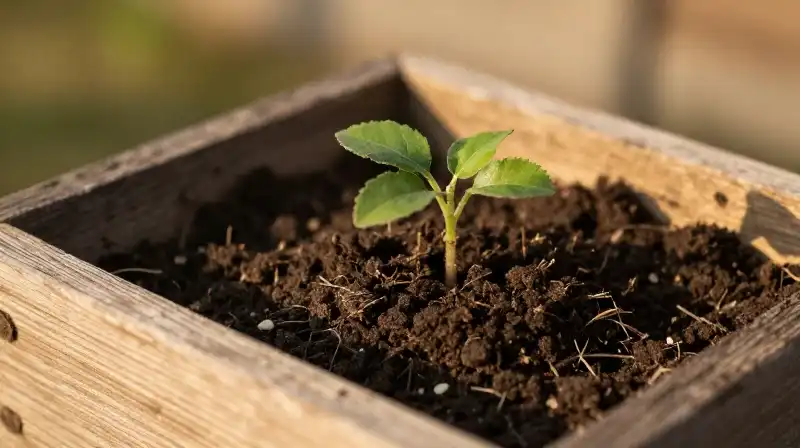
Starting seeds indoors allows for precise timing and gives the grass a head start. Seeds should be planted 4 to 5 weeks before your intended planting date. Use a well-draining indoor medium and provide consistent moisture while monitoring for initial germination.
Direct Sowing and Planting
Many gardeners prefer direct sowing. When preparing the garden bed, ensure the soil is lightly worked. Rabbit grass seeds should be lightly covered with soil, providing a gentle layer for the germinating seeds. Once planted, spacing is crucial for proper air circulation and root development; plant them 4 to 6 inches apart to allow each plant to mature fully without excessive competition.
Ideal Environmental Conditions for Rabbit Grass
To ensure your Rabbit Grass reaches its average mature height of 24 inches and displays the fluffiest heads, specific environmental conditions must be met. Lagurus ovatus is best suited for cool, well-drained environments.
- Sunlight: The grass requires full sun to thrive. While it is tolerant of some shade, adequate sunlight is essential for reaching its 24-inch stature and developing its characteristic fluffy texture.
- Hardiness and Timing: As a cool-season hardy annual plant, it is winter hardy down to planting zone 8. This means it is particularly suited for cooler planting cycles.
- Growth Cycle: The typical bloom cycle for this ornamental grass takes approximately 90 to 110 days from planting to harvest.
Practical Guidance: Troubleshooting and Best Practices
While Rabbit Grass is relatively resilient, certain practical considerations can impact its health and presentation. Addressing these nuances can help you prevent common gardening errors:
Germination and Early Care
After sowing the seeds, maintain consistent moisture. The germination period typically lasts 5 to 14 days. Resist the urge to rush the initial growth phase; a gentle approach to early care is key to a strong, healthy start.
The Role of Spacing
Adequate spacing (4 to 6 inches) is not merely for aesthetic symmetry; it is critical for plant health. Crowding the plants can lead to poor airflow, increasing the risk of fungal issues and reducing the overall health of the individual plants, ultimately diminishing the quality of the fluffy heads.
Hardiness Nuances
While categorized as cool-season hardy to Zone 8, remember its nature as a cool-season annual. In much colder regions, protection or a staggered planting approach is necessary to manage the winter and spring cycles effectively.
Summary of Cultivation:
| Parameter | Requirement | Rationale |
|---|---|---|
| Optimal Light | Full Sun | Essential for reaching full mature height and blooming |
| Optimal Spacing | 4 to 6 inches | Ensures airflow and proper root development |
| Growing Zone | Zone 8 and up | Indicates suitability for cool-season cultivation |
| Bloom Time | 90–110 days | Provides a clear timeline for harvest planning |
Concluding Thoughts

Rabbit Grass offers a unique blend of elegant beauty and ease of cultivation, making it a reliable choice for enhancing both indoor décor and garden landscapes. By prioritizing full sun exposure, maintaining the appropriate spacing of 4 to 6 inches, and observing the 90 to 110-day bloom cycle, you can successfully transition these lovely seeds into show-stopping floral fillers and ornamental accents.
The key to maximizing its appeal is managing its lifecycle—remember it is a cool-season plant that thrives with consistent light and adequate space, transforming the garden with its signature bunny-tail softness.
Frequently Asked Questions
What is rabbit grass good for?
Rabbit grass is used as a versatile visual accent in landscaping and indoor arrangements, functioning as an exceptional bouquet filler and floral topper. It also provides delicate texture and a sophisticated feel in pots and containers, and can be successfully harvested for aesthetic purposes.
How to Cultivate Rabbit Grass
Choose Propagation Method and Timing
Decide whether to start seeds indoors (4 to 5 weeks before the desired planting date) or to perform direct sowing.
Prepare Indoor Environment (If Applicable)
Use a well-draining indoor medium and provide consistent moisture while monitoring for initial germination.
Prepare Garden Bed (If Direct Sowing)
Lightly work the garden soil and lightly cover the Rabbit grass seeds with a gentle layer of soil.
Ensure Proper Spacing
Plant the seeds 4 to 6 inches apart to allow sufficient air circulation and prevent excessive competition for root development.
Maintain Early Care
After sowing, maintain consistent moisture and resist rushing the initial growth phase, as germination typically takes 5 to 14 days.
Provide Optimal Environmental Conditions
Ensure the grass receives full sun and is cultivated in a cool, well-drained environment.
Harvest for Aesthetic Potential
Allow the grass to grow until the typical bloom cycle concludes, which takes approximately 90 to 110 days from planting.
Related Articles