
Natural Mosquito Repellent for Lawns: Organic Pest & Tick Control


Introduction
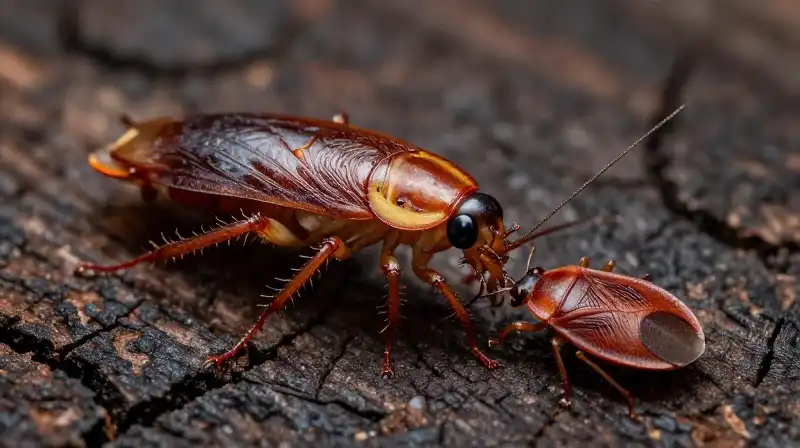
Achieving a pest-free yard without relying on harsh, toxic chemicals is a growing priority for homeowners. Natural mosquito repellent for lawns that effectively addresses ticks, fleas, and garden invaders is no longer a niche product. This organic approach utilizes potent, plant-derived ingredients to create a protective barrier around your home and property. This guide details how these specialized treatments work, where they are most effective, and the best practices for long-term, sustainable pest management using 100% pure cedarwood oil.
Understanding the Science of Natural Organic Pest Control
 Effective organic pest management relies on disrupting the insect’s natural processes rather than relying on brute chemical toxicity. Cedarwood oil is the primary active agent in this treatment, providing a broad-spectrum solution that tackles multiple pests.
Instead of simply acting as a repellent, the cedarwood oil functions by interfering with the biological mechanisms of the insects. For smaller pests, the oil acts by pulling moisture from the bodies of insects and coating their respiratory systems, making it difficult for them to breathe or thrive. This comprehensive action covers numerous pests, including gnats, crickets, ants, and beetles.
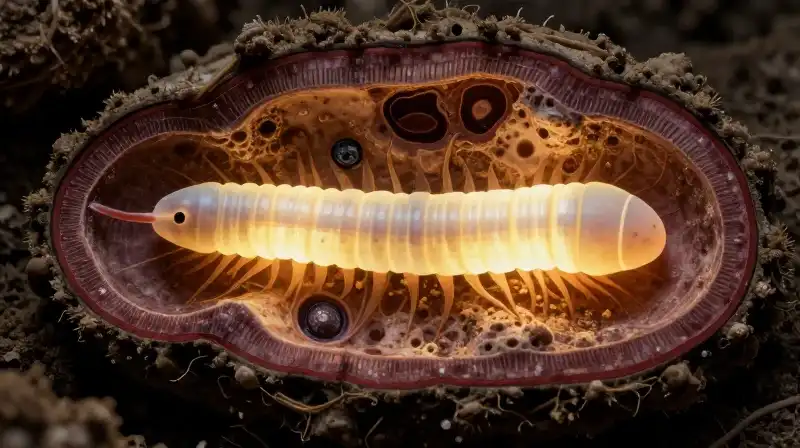
The formula also addresses deeper, more persistent issues, such as white grubs. In the soil, the specific formulation is designed to dissolve the grubs’ protective outer layer and create a hostile, inhospitable environment for them, thereby reducing the population at the larval stage. This holistic approach ensures that while you are deterring immediate threats, you are also eliminating future infestations.
Coverage, Efficacy, and Application Limits
Knowing the effective range and proper application method is crucial for successful pest control. The product is designed for variable coverage depending on the pest targeted.
For general, broad-area pest control—such as controlling fleas, crickets, and grasshoppers across the yard—the treatment is effective for up to 5,000 square feet. However, when the focus is on critical mosquito deterrence and tick repulsion, the application is concentrated for high efficacy, covering up to 2,500 square feet.
Application Best Practices and Weather Conditions
To maximize the lifespan of the treatment and ensure maximum efficacy, users must follow specific application protocols:
- Direction and Motion: Application should begin at the structure’s foundation (where insects are most likely to enter) and proceed outward toward the perimeter of the property. Always use a sweeping motion, ensuring treated areas slightly overlap to prevent gaps.
- Environmental Factors: For optimal performance, apply the product when temperatures are below 90°F and ensure the spray is not in direct sunlight. This timing allows the concentrated oils to settle and be effective.
- Substrates: The spray is suitable for use on various landscape components, including landscaping, shrubs, trees, patios, decks, and the exterior of the home. Always conduct a spot test on exterior fabrics on outdoor furniture to prevent discoloration.
Choosing Your Application Method
The product can be applied using three primary methods:
- Pre-mix Bottle: For standard coverage and large areas.
- Hose-end Sprayer: For convenient, controlled yard applications.
- Compression Sprayer: Recommended for localized treatments. When using this method, the recommended concentration is 0.5 ounces of concentrate per gallon of water.
Safety for Family and Pets: A Natural Difference
 A primary concern for homeowners choosing natural repellent is safety. Unlike many conventional chemicals, this formulation is specifically designed to be safe for children and household pets due to the absence of harsh, toxic chemical agents.
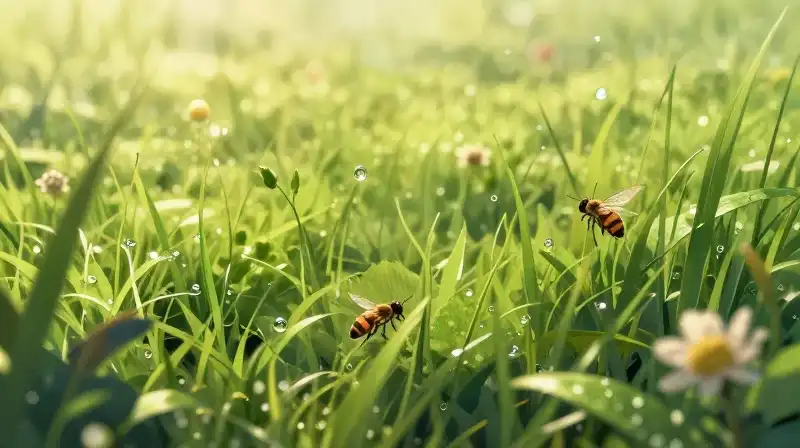
Furthermore, this organic approach is inherently mindful of the local ecosystem. The product does not harm beneficial insects, including vital pollinators like bees. Its mechanism of action disrupts insect senses and pheromones, targeting pests specifically while allowing the local, beneficial wildlife to remain unharmed. This differentiation makes it an ideal solution for environmentally conscious yards where safety is paramount.
Comprehensive Pest Spectrum: Beyond Mosquitoes and Ticks
 Many pest control products focus solely on one or two threats. This organic treatment provides a broad-spectrum solution for various landscape nuisances.
The coverage extends far beyond mosquitoes and ticks. The formula effectively targets:
- Flying Pests: Mosquitoes, gnats, and flies.
- Crawling Pests: Ants, earwigs, and fleas.
- Garden Pests: Crickets, grasshoppers, and white grubs.
- Defensive Mechanisms: It provides environmental benefits by ensuring the treatment itself is non-toxic to the lawn and surrounding grass, promoting a healthy landscape while offering robust protection.
Maintaining Pest Control: Practical Tips and Maintenance
 Pest control is not a one-time treatment; it requires a consistent maintenance plan. To ensure the long-term success of the cedar oil treatment, integrating supplementary practices is highly recommended.
Consistency and Reapplication
Consistency is key to establishing a permanent deterrent. Continuous application is required until the desired level of pest control is reached. You may enhance the product’s effectiveness by using higher rates of concentrate and, most importantly, frequent re-application, particularly after periods of heavy rain, which can dilute the active ingredients.
Holistic Yard Care
While the product provides chemical protection, it works best when paired with good maintenance habits. These complementary actions help prevent infestations before they start:
- Water Management: Regularly inspect and eliminate any standing water in your yard, as this is a prime breeding ground for many pests.
- Structural Maintenance: Keep gutters clean and clear to prevent pests from using them as entry points to the home.
- Timing: Note the one-year shelf life; storing the product correctly ensures that its potency remains consistent for the duration of its use.
Decision Synthesis and Final Considerations
 For homeowners seeking a natural mosquito repellent for lawns, this organic treatment offers a powerful blend of safety, broad-spectrum effectiveness, and environmental responsibility. Its ability to target eggs and larvae, particularly white grubs, addresses the root of pest problems rather than just the surface symptoms.
The critical takeaway is that this is a comprehensive strategy, not a quick fix. By adhering to application guidelines—sweeping, overlapping, and avoiding hot, sunny conditions—and pairing the treatment with regular yard upkeep, you establish a sustainable barrier. Prioritize consistent reapplication, especially following rain, and enjoy a healthier, pest-managed outdoor space that is safe for your family and pets.
Related Articles