
Eco-Friendly Insect Repellent: How to Choose Truly Sustainable Options


Introduction
Choosing an insect repellent that is genuinely eco-friendly requires moving beyond the simple “natural” label. Many consumers assume that plant-based formulas are inherently sustainable, but true eco-friendliness is a comprehensive evaluation of a product’s entire lifecycle—from the sourcing of its ingredients to the disposal of its container. If your goal is to protect yourself or your space without contributing to environmental degradation, you must assess a brand’s commitments to both chemical purity and systemic sustainability.
This guide helps you decode the marketing claims and establishes clear criteria to help you select a repellent that is beneficial to both your health and the planet, covering uses from home protection to outdoor yard defense.
What Does “Eco-Friendly” Truly Mean in Repellents?

The term eco-friendly (or sustainable) insect repellent encompasses much more than just the type of active ingredients used. To qualify as truly sustainable, a product must meet rigorous standards across three distinct pillars: Ingredient Safety, Production Ethics, and Waste Management.
Pillar 1: Ingredient Safety and Efficacy
This pillar focuses on what goes into the spray. An environmentally conscious repellent minimizes synthetic chemicals, but it is equally important to ensure the botanical components are effective and safe for human or animal use. Look for active ingredients derived from concentrated plant extracts, such as those found in lemongrass, cedarwood, lemon eucalyptus oil, or peppermint.
Crucially, avoid ingredients that may be effective at repelling insects but are harmful to aquatic life or the environment when washed down the drain. Furthermore, ensure the repellent is non-toxic for all intended users, including children and pets, a primary concern for many homeowners seeking non-toxic bug spray for humans or dogs.
Pillar 2: Packaging and Lifecycle
Sustainability is often determined by the container. An eco-friendly assessment demands checking if the packaging is designed for a low environmental footprint. Consider the following factors:
- Recyclability: Is the bottle made of post-consumer recycled (PCR) plastic or glass? Can the label be removed and recycled with the bottle?
- Refillability: Does the brand offer “refill pouches” that reduce plastic waste?
- Plastic Minimization: Some truly sustainable brands use biodegradable or compact materials to reduce overall packaging volume.
How to Evaluate Sustainable Repellents: The Criteria Checklist
Instead of relying solely on subjective “favorite” lists, a rigorous selection process involves a comparative analysis of ingredients, certifications, and intended use. Here is a functional checklist for comparing sustainable options:
- Check Certifications: Look for recognized seals such as USDA Organic, EWG Verified, or specific eco-labels that indicate ingredients have been vetted for both health and environmental impact.
- Read the Full Ingredient List: Never settle for vague terms like “natural blend.” Look for specific botanical names (e.g., Citrus limon) rather than generic descriptors.
- Determine Your Specific Need: The perfect product changes depending on the scenario. A house repellent for indoor use differs significantly from an outdoor yard spray or a topical application for humans.
- Assess Efficacy vs. Ingredients: A crucial point of confusion is balancing ecological safety with insect defense. High-quality, concentrated essential oils often provide the strongest, most natural repellent effect.
Addressing Specific Use Cases: Repellents for Humans, Yard, and Home
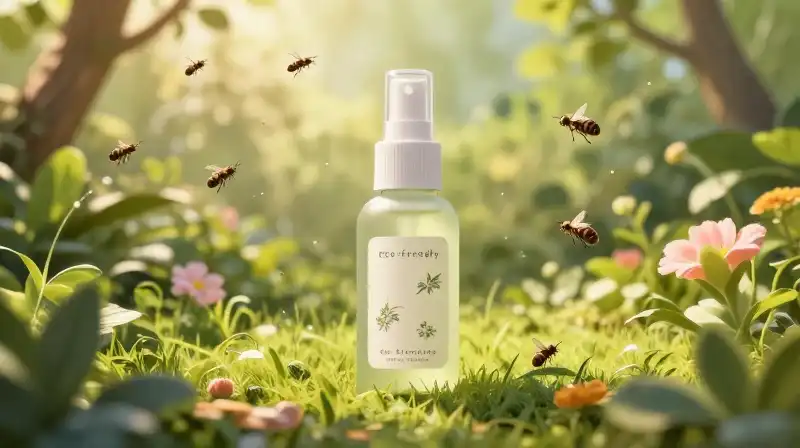
The definition of the ideal eco-friendly repellent shifts depending on where and how it is used.
Topical Repellents for Humans
When selecting an eco-friendly insect repellent for humans, prioritizing non-toxic formulas is paramount. These products are designed to be worn on the skin. Effective options typically utilize highly concentrated oils like lemon eucalyptus or rosemary. When comparing brands, ensure the concentration of active ingredients is adequate for the weather and duration of use to ensure efficacy without compromising safety.
Indoor and Outdoor Treatments
For indoor bug spray for house use, look for aerosols or sprays designed to penetrate crevices while minimizing harsh chemicals. Many effective eco-friendly options utilize diffused essential oils (like lavender or peppermint) in a room to discourage insects without requiring direct spraying. For yard application, choose products specifically formulated to be non-toxic to soil and beneficial pollinators, which often dictates the use of mineral-based or very gentle botanical sprays.
Eco-Friendly Repellent for Dogs
Many conventional repellents are unsafe for pets. If you require an eco-friendly insect repellent for dogs, choose products formulated specifically for animal safety. These options usually contain very low concentrations of aromatic oils and are designed to avoid the volatile compounds that can cause respiratory distress in animals. Always ensure the application adheres to the product directions for pets.
| Scenario | Primary Focus | Key Component Look For | Avoid |
|---|---|---|---|
| Human (Topical) | Safety & Long-lasting scent | Lemon Eucalyptus Oil, Citronella, High Oil Concentration | Diatomaceous Earth (only when wet) |
| Yard/Outdoor | Environmental impact on soil/wildlife | Biodegradable formulations, Non-polluting minerals | Heavy synthetic pesticides |
| House (Interior) | Safety for indoor air quality | Essential oil diffusers, Citronella cones (natural) | Volatile chemical aerosols |
| Pets (Dogs) | Non-toxicity and low volatility | Vet-approved herbal blends | Strong, undiluted essential oils |
Synthesizing the Best Eco-Friendly Bug Spray Choices
The most sustainable insect repellent is one that meets your needs without excessive compromise. Brands like 3 Mom’s Organics and Meow Meow Tweet have gained recognition for their commitment to smaller production scales and eco-conscious packaging, offering highly effective formulas that adhere closely to sustainable sourcing and ingredient purity.
Ultimately, the decision to select the “best” product relies on a weighted balance:
- Prioritize Efficacy: Does it reliably repel the target insects?
- Evaluate Ingredients: Are they verifiable, plant-derived, and non-toxic?
- Assess Sustainability: Is the packaging recyclable or refillable?
By applying these layers of scrutiny, you move past superficial claims and identify true sustainable alternatives that serve both your lifestyle and the environment.
Frequently Asked Questions
What is eco-friendly insect repellent?
An eco-friendly insect repellent encompasses Ingredient Safety, Production Ethics, and Waste Management, requiring it to minimize synthetic chemicals and utilize botanical components. It must also have packaging designed for a low environmental footprint, such as being recyclable or refillable.
What are the sustainable insect repellents?
Brands like 3 Mom’s Organics and Meow Meow Tweet have gained recognition for their commitment to smaller production scales and eco-conscious packaging. They offer highly effective formulas that adhere closely to sustainable sourcing and ingredient purity.
How to Evaluate and Select Eco-Friendly Insect Repellents
Check Certifications
Look for recognized seals such as USDA Organic, EWG Verified, or specific eco-labels that indicate ingredients have been vetted for both health and environmental impact.
Read the Full Ingredient List
Avoid vague terms like "natural blend." Always look for specific botanical names (e.g., Citrus limon) instead of generic descriptors.
Determine Your Specific Need
Decide whether the repellent is for indoor use, outdoor yard spray, or topical application for humans or pets, as the ideal product changes based on the scenario.
Assess Efficacy vs. Ingredients
Balance ecological safety with insect defense; high-quality, concentrated essential oils often provide the strongest, most natural repellent effect while maintaining safety.
Related Articles