Red Formosa Azalea: Growing Guide and Optimal Care Tips

Introduction
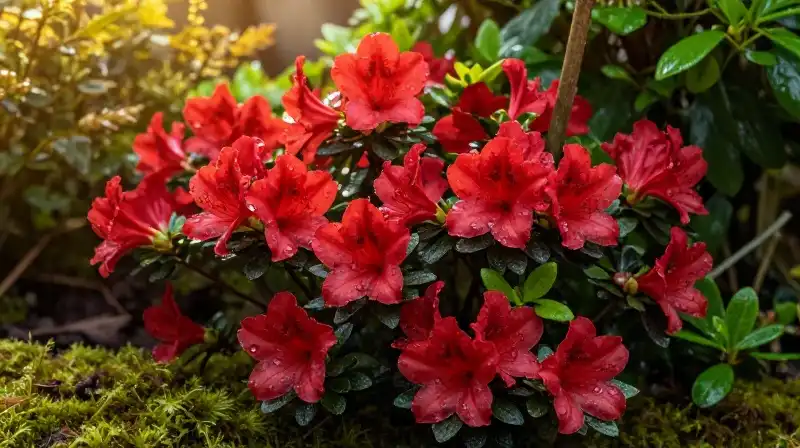
The Red Formosa Azalea (Azalea Formosa) is a quintessential Southern landscape specimen, prized for its robust size and intensely vibrant blooms. Unlike many delicate flowering shrubs, the Formosa Azalea is a powerful, evergreen powerhouse, delivering spectacular bursts of bright red or fuchsia color during its prime. This shrub is not merely a decorative accent; it is engineered for high impact, making it ideal for foundational plantings, privacy hedges, or dramatic focal points. If you are looking to incorporate bold color and lush, year-round structure into your garden, understanding the specific needs of this particular cultivar is key to achieving its full potential. Formosa Azaleas are celebrated for their dramatic flair, and proper care ensures that the dark, glossy foliage remains a vibrant backdrop to those striking flowers.
Growth Characteristics and Mature Size
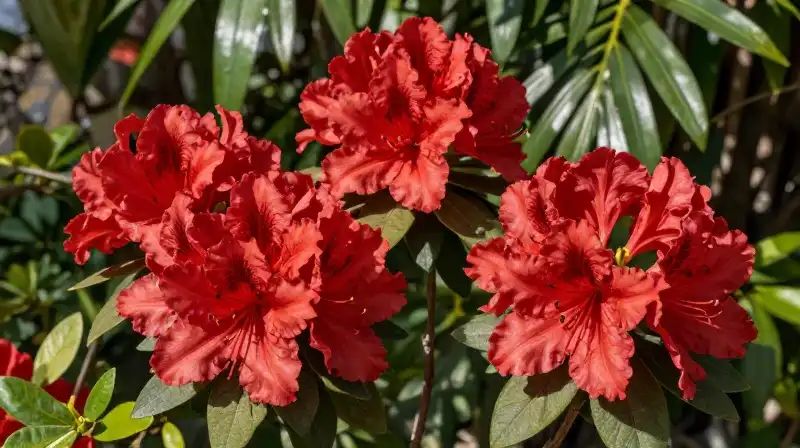
When deciding where to place a Red Formosa Azalea, understanding its physical stature is crucial. This Azalea is classified as a large, hardy shrub and is known for its substantial growth rate. Its maturity involves a considerable increase in mass, which is why it is highly effective as a natural privacy screen.
In terms of size, the Red Formosa Azalea typically grows to a height and width of between 6 to 8 feet, although in ideal conditions, it can reach 10 feet. This rapid and vigorous growth makes it one of the fastest-developing landscape shrubs available. The plant is fully evergreen, meaning it maintains its dense, deep green foliage throughout the year, even after the main spring bloom concludes.
Site Selection: Sun, Shade, and Hardiness
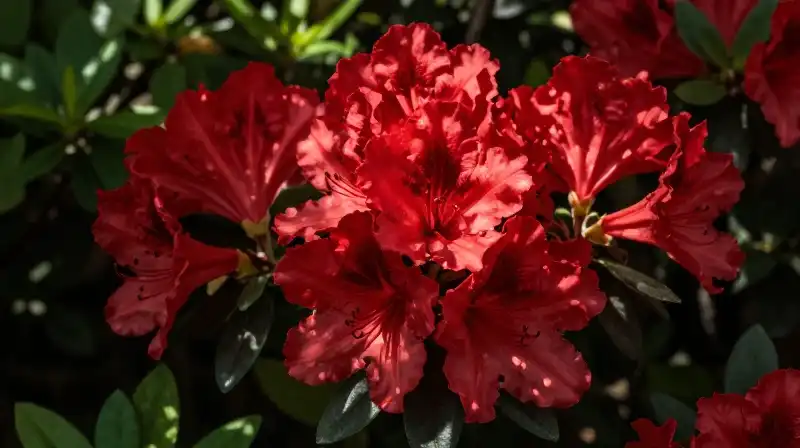
Choosing the right location for your Azalea determines the quality and longevity of its display. While the plant is known for being heat and sun tolerant, its optimal performance requires specific light conditions.
The Red Formosa Azalea thrives in climates characterized by warmth and humidity, making it perfectly suited for USDA Zones 7 through 9. Though it is a robust variety, placing it where it receives intense, all-day afternoon sun during the hottest months may lead to stress. Instead, aim for a location that provides filtered sunlight or dappled shade during the most intense hours, allowing it to utilize the morning sun while avoiding scorch. This balance ensures maximum flower production and the maintenance of glossy leaves.
Soil and Moisture Requirements
The fundamental requirement for the Red Formosa Azalea is acidic, well-draining soil. These plants are sensitive to alkaline conditions, which can hinder nutrient uptake and impact the health of the roots.
- Soil pH: Aim for a slightly acidic range, ideally between 4.5 and 6.0. If your native soil is neutral or alkaline, consider amending it heavily with peat moss, sulfur, or specific acidic fertilizers before planting.
- Drainage: Excellent drainage is non-negotiable. While the plant prefers consistent moisture, it absolutely must never be kept in soggy, waterlogged conditions, as this will lead to root rot.
- Watering: Establishment is the most critical period for watering. Deep, regular watering is necessary to encourage robust root development. Once established, it becomes moderately drought tolerant, but it still requires consistent moisture during extended dry spells to maintain its vibrancy.
Maintenance Schedule and Pruning
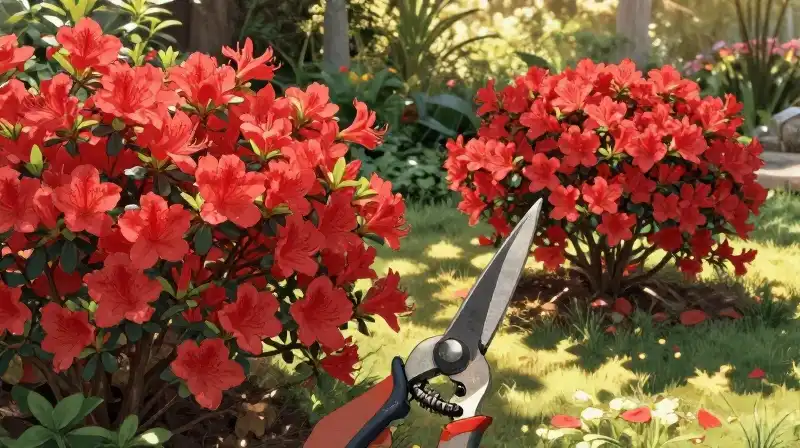
The maintenance of this robust Azalea focuses primarily on maintaining its form and maximizing its spectacular blooms. Because it is a fast-growing shrub, consistent care is required to prevent it from becoming overgrown or losing its dense, formal shape.
Pruning is essential for maintaining the Azalea’s structure and encouraging future flowering. Timing is critical; pruning should generally be conducted in late spring to early summer. This timing allows the plant adequate time to recover and develop the strong stems necessary to support the next vigorous flush of blooms.
- Post-Bloom Cleanup: After the peak flowering period, allow the plant to rest for a short time, then prune spent blooms and old wood to promote new growth.
- Nutrient Support: Use fertilizers formulated for acid-loving plants to sustain its needs, particularly during the active growing season.
- Mulching: Applying an organic mulch (like pine bark) around the base helps retain the consistent moisture the plant prefers and moderates soil temperature.
Addressing Common Questions: Size and Care
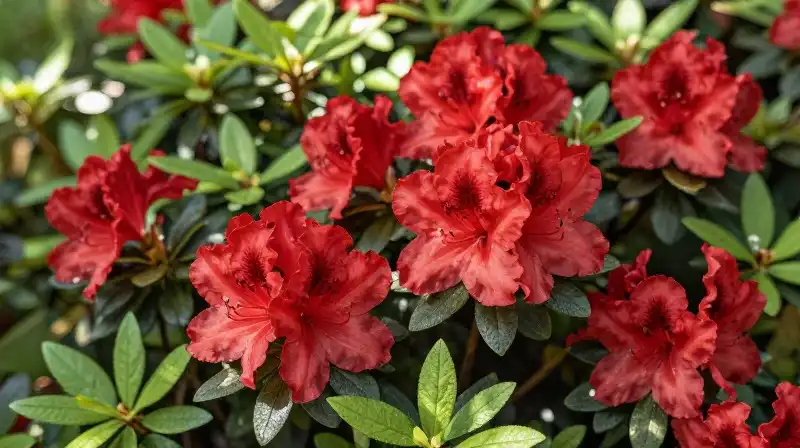
How big does a Red Formosa Azalea get?
The Red Formosa Azalea is a large, impressive shrub that typically matures to a height of 6 to 8 feet, with a potential expansion up to 10 feet wide. It thrives in its substantial size, making it excellent for creating natural screening and filling large landscape spaces.
How do you care for a Red Formosa Azalea?
Effective care centers on three priorities: acidity, moisture, and timing. Ensure your soil is acidic (pH 4.5-6.0) and well-draining. Maintain consistent moisture during the growing season, especially when the flowers are setting, and always prune in late spring to mid-summer to guide its growth toward continued, robust blooming.
Practical Considerations for Success
To maximize the value of a Red Formosa Azalea, view it as a dramatic, long-term investment rather than a simple seasonal plant. It is highly valued for its ability to provide both privacy and intense visual interest.
The key differentiator when caring for this specific Azalea is recognizing the connection between its size, its acid requirements, and its need for consistent moisture. While it is heat tolerant, its vigor relies on the foundation of acidic soil and the deep root system established through diligent initial watering. For a specialized landscape, planting in mass, or strategically using it as a backdrop against lighter foliage, will best highlight the dramatic contrast of its dark green leaves and brilliant red flowers.
Explore more: The Three Horns of Odin: Mythological Origins and Historical
Frequently Asked Questions
How big does a red formosa azalea get?
The Red Formosa Azalea typically grows to a height and width of between 6 to 8 feet, although in ideal conditions, it can reach a size of up to 10 feet.
How do you care for a red formosa azalea?
Effective care for a Red Formosa Azalea involves ensuring the soil is acidic (pH 4.5-6.0) and well-draining while maintaining consistent moisture during the growing season. Furthermore, consistent maintenance requires pruning in late spring to early summer to promote continued, robust blooming.
How to Care for a Red Formosa Azalea
Select the Location
Choose a spot that provides filtered or dappled sunlight while ensuring the plant receives morning sun, avoiding intense afternoon sun to prevent scorching.
Prepare the Soil
Amend the soil to achieve a slightly acidic range, ideally between 4.5 and 6.0, and ensure excellent drainage. Use peat moss, sulfur, or acidic fertilizers if your native soil is neutral or alkaline.
Establish Watering Routine
During the initial establishment phase, water deeply and regularly to encourage robust root development. Once established, maintain consistent moisture during dry spells but avoid waterlogged conditions.
Apply Organic Mulch
Apply an organic mulch, such as pine bark, around the base of the shrub to retain moisture and moderate the soil temperature.
Provide Nutrient Support
Sustain the plant’s needs during the active growing season by using fertilizers specifically formulated for acid-loving plants.
Prune for Shape and Bloom
Prune the plant in late spring to early summer to maintain its formal structure, encourage new growth, and support the next vigorous flush of blooms.
Related Articles