Candy Cane Pepper: Mild Taste, Heat Level, and Growing Tips

Introduction
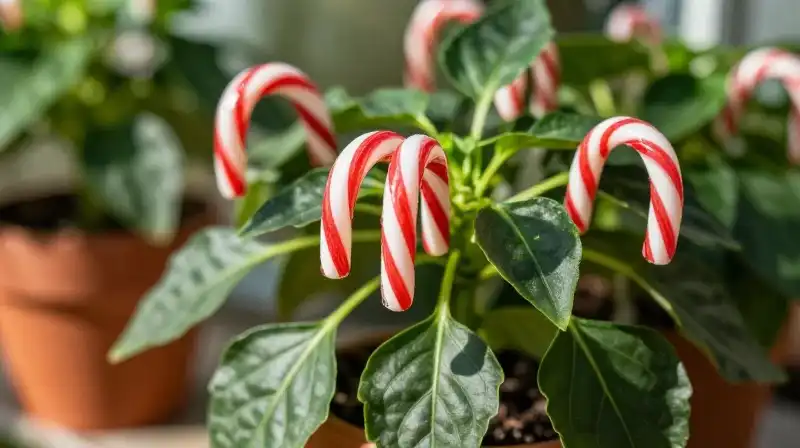
The Candy Cane pepper is a visually striking and flavor-forward cultivar, known for its distinct red and white striped appearance. Unlike many striped peppers that might indicate high heat, the Candy Cane variety is characterized by its mild, sweet flavor profile. If you are considering adding this decorative pepper to your garden or pantry, the primary takeaway is that it delivers a delicate, crisp sweetness rather than a fiery bite, making it excellent for snacking or light cooking.
Heat Level and Flavor Profile: How Hot Are Candy Cane Peppers?
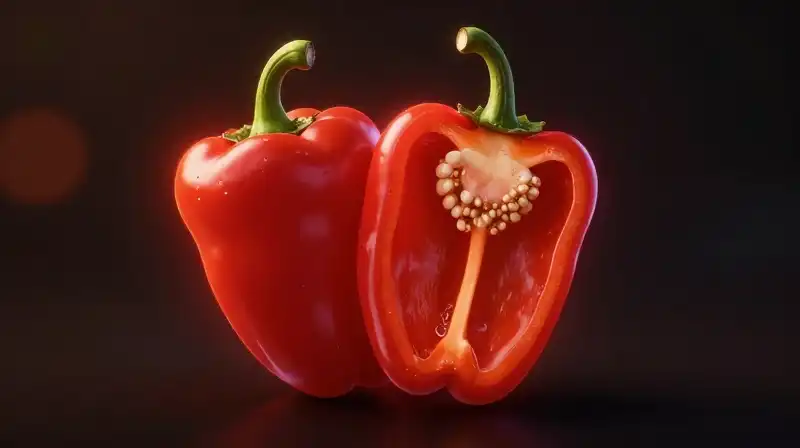 Addressing the most common query, Candy Cane peppers are definitively mild. They are not considered spicy or “hot” in the traditional sense. For those monitoring Scoville units, these peppers consistently register low on the heat scale, meaning they lack capsaicin and will provide a sweet, approachable taste similar to a ripe bell pepper but with a unique, tangy finish. > The sensory experience of the candy cane pepper involves:
- Flavor: Predominantly sweet with mild, fruity undertones.
- Heat: Very low; suitable for all heat preferences.
- Texture: Deliciously crisp and juicy.
> This sweetness is often enhanced the longer the pepper is allowed to ripen on the plant.
Growing Candy Cane Peppers for Small Spaces
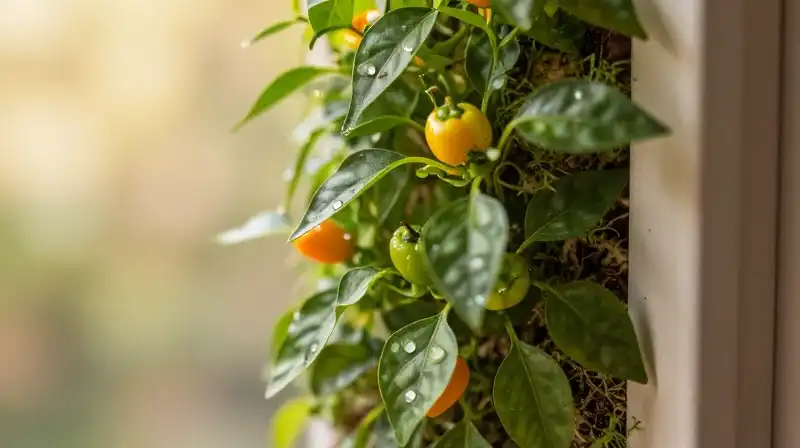 A major advantage for the home gardener is that the Candy Cane pepper is well-suited for container growth, making it an ideal plant for patios or balconies. > To ensure successful cultivation, keep the following growing tips in mind:
- Light Requirements: They require plenty of direct sunlight, ideally six to eight hours a day, to produce vibrant fruit and achieve full ripening.
- Water Needs: Consistent moisture is crucial, particularly during the fruiting phase. Allow the soil to dry slightly between deep watering.
- Container Selection: Choose a large enough container to allow the roots to develop, as smaller pots can restrict growth. Use high-quality, well-draining potting mix.
- Pollination: Depending on the climate, some varieties may benefit from manual pollination if they do not receive enough natural insect activity.
> Note that while the plant features unique variegated leaves, this characteristic primarily adds ornamental value and does not impact the pepper’s culinary properties.
Culinary Uses and Flavor Applications
 Because of their mild heat and crisp texture, Candy Cane peppers function more like a versatile snack or garnish than a spicy heat source. Their sweet flavor pairs well with both creamy and savory ingredients. > You can incorporate these peppers into various recipes, which can be a great starting point for those searching for Candy Cane pepper recipes. Some popular applications include:
- Raw Snacking: The fresh, crisp texture makes them perfect alongside dips like hummus, ranch, or creamy aioli.
- Salads: They add a burst of sweet crunch to green or roasted vegetable salads.
- Light Sauté: They can be quickly sautéed with mild sauces or grilled until just softened, maintaining their sweetness.
> When utilizing Candy Cane Pepper seeds, remember that they should ideally be planted in late spring or early summer when temperatures are reliably warm.
Choosing Candy Cane Peppers: What to Expect
To make the best use of this unique variety, consider the following criteria when purchasing or growing:
| Feature | Description | Impact on Use |
|---|---|---|
| Striped Appearance | Red and white variegation. | Strong ornamental value in landscaping or kitchen decor. |
| Growing Habit | Compact and thrives in containers. | Ideal for small spaces (patios, balconies). |
| Flavor | Sweet and mild. | Excellent for raw consumption and pairing with rich flavors. |
If you are looking for maximum sweetness, observe the pepper closely and allow it to reach its full red maturity on the plant before harvesting. Harvesting when green and striped will yield a less developed, less flavorful result.
A Practical Warning on Heat Perception
 While the Candy Cane pepper is scientifically mild, individual perception of “spiciness” can vary. If you are accustomed to highly pungent or searing heat, this pepper will be a pleasant, sweet palate cleanser. However, if you are experiencing sensitive reactions to capsaicin (even at low levels), you should always test a single pepper first to gauge the intensity against your personal threshold, although the general consensus confirms its lack of significant heat.
Frequently Asked Questions
How hot are candy cane peppers?
Candy Cane peppers are definitively mild and are not considered hot in the traditional sense. They register very low on the heat scale, lack capsaicin, and offer a sweet, approachable taste.
How to Grow Candy Cane Peppers
Plan Planting
Plant the seeds in late spring or early summer when temperatures are reliably warm.
Select Container and Soil
Choose a large container to allow roots to develop, and use high-quality, well-draining potting mix.
Provide Adequate Sunlight
Ensure the pepper receives plenty of direct sunlight, ideally six to eight hours a day, to produce vibrant fruit.
Manage Watering
Maintain consistent moisture during the fruiting phase, allowing the soil to dry slightly between deep watering.
Ensure Pollination
If natural insect activity is low, consider manually pollinating the plants.
Harvest for Peak Flavor
Observe the pepper closely and allow it to reach its full red maturity on the plant for maximum sweetness.
Related Articles