Sandy Loam Dirt: Composition, Drainage, and Soil Uses

Introduction
Sandy loam dirt is a specific topsoil classification defined by a high proportion of sand, giving it unique physical properties that dictate how it behaves in a garden. Unlike heavier, more balanced soils, sandy loam is prized for its exceptional drainage and aeration. While this structure is ideal for preventing waterlogging, it also presents challenges regarding nutrient retention. Understanding its composition and limitations is key to using sandy loam effectively, whether you are planning a raised bed, mounding an area, or preparing a foundational planting space.
This soil type is not simply “sandy soil”; it is a carefully balanced classification. By examining its structure and comparing it to the ideal loam, you can determine if sandy loam is the right base material for your specific landscaping goals and how it can be improved to thrive.
Defining Sandy Loam Composition and Texture
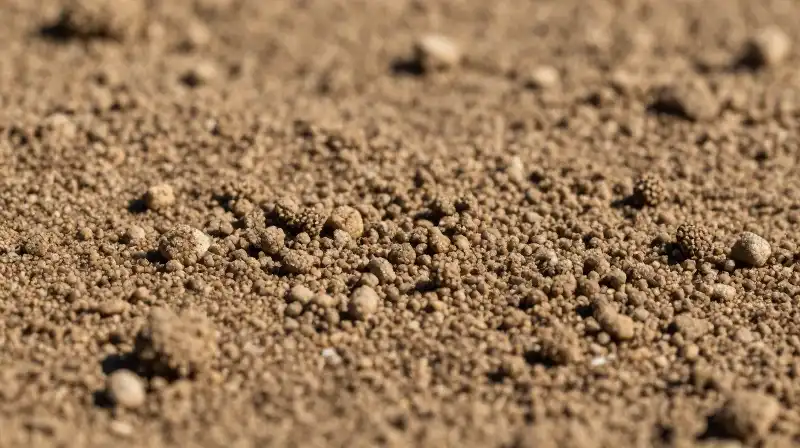
The texture of soil is determined by the relative proportion of three primary particle sizes: sand, silt, and clay. Sandy loam falls into a specific range on the Soil Textural Triangle, typically requiring a dominant sandy component. This definition isn’t a fixed recipe but rather a range of percentages that allows for natural variability in soil samples.
The typical composition of sandy loam dirt is characterized by:
- Sand (60% to 70%): This large particle size provides the structure and the excellent drainage that defines the soil.
- Silt (20% to 30%): Silt, which falls between sand and clay in particle size, contributes to the soil’s ability to hold some moisture and provides a degree of smoothness to the texture.
- Clay (10% to 20%): The low clay content is the primary factor contributing to sandy loam’s porosity and its tendency to drain quickly.
The balance of these percentages is what creates the “loam” classification within the “sandy” category, ensuring that while the soil is fast-draining, it still possesses enough fine particles (silt and clay) to support plant life and retain some moisture and nutrients.
Sandy Loam vs. Standard Loam: A Comparison
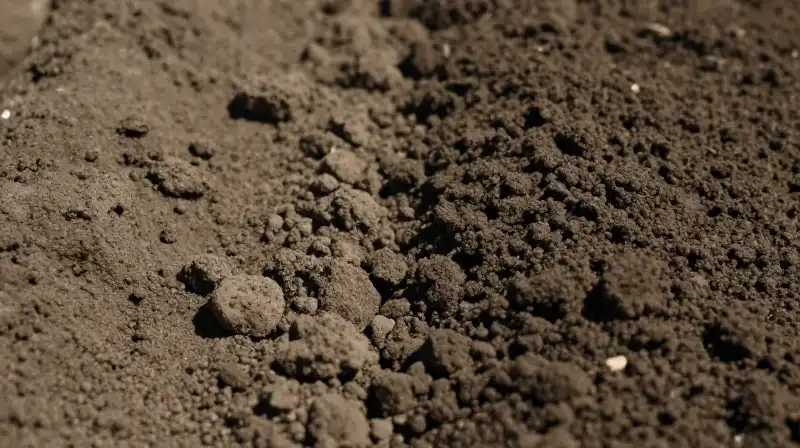
It is helpful to understand sandy loam by comparing it to the traditional “standard loam,” which is often considered the gold standard in gardening. While sandy loam is superior in drainage, standard loam offers a better balance of retention and structure.
A standard loam is defined by a near-even distribution of its components (often 40% sand, 40% silt, 20% clay). The fundamental difference lies in the proportion of sand and clay:
| Feature | Sandy Loam Dirt | Standard Loam |
|---|---|---|
| Sand Percentage | High (60–70%) | Moderate (40%) |
| Drainage Rate | Excellent (Very quick) | Good (Balanced) |
| Water Retention | Low | High |
| Nutrient Retention | Low | Moderate |
In short, sandy loam excels at allowing water to pass through rapidly, making it perfect for structures that need good airflow, but it sacrifices the inherent water-holding capacity found in richer, silt-heavy soils.
Practical Applications of Sandy Loam in Landscape Design
Due to its structural integrity and excellent drainage, sandy loam is a foundational material for several specific uses in yard development:
Creating Elevation and Structure
Sandy loam is commonly used for mounding, meaning building up soil to raise planting beds or create berms in the landscape. Because it is porous and stable, it provides a strong, well-draining foundation that prevents saturation, which is vital when creating elevated structures that might hold less-than-ideal water conditions.
Foundation for Drainage-Sensitive Plants
Some plants, particularly those prone to root rot, perform best in highly aerated, fast-draining soil. Sandy loam provides this environment naturally. It serves as an effective base material for areas where water retention is a concern, such as around trees or in well-drained rock gardens.
Base Layer for Blended Soils
While sandy loam may be too coarse or nutrient-poor on its own for intensive planting, it serves as an excellent, robust base layer. It can be mixed with richer topsoil blends, compost, or organic fertilizers to create a highly customized potting mix or garden bed blend tailored to specific plant needs, while ensuring the final product retains good structural integrity.
Addressing the Deficiencies: Amending Sandy Loam
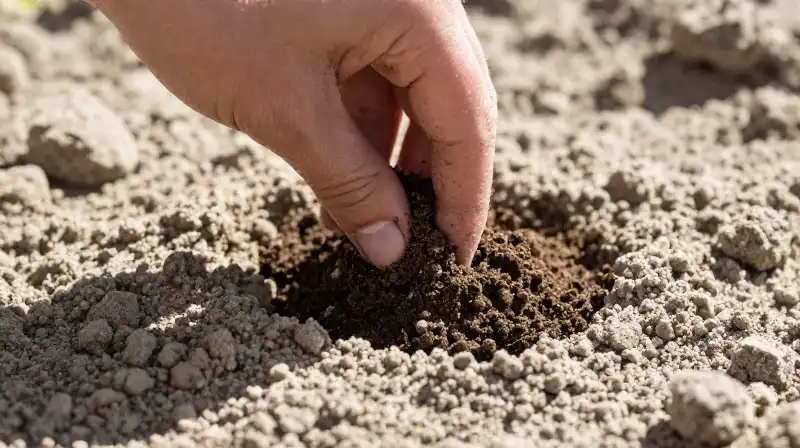
The primary limitation of sandy loam dirt is its low ability to retain moisture and its relatively low nutrient content. To transform this strong structural base into a thriving garden bed, amending it is necessary.
There are two critical approaches to improving the utility of sandy loam:
- Enhancing Water Retention: To improve its ability to hold moisture, mix in materials that act like sponges. Compost, peat, or aged manure are excellent amendments because they have a high capacity to absorb and hold water while still allowing for some air circulation.
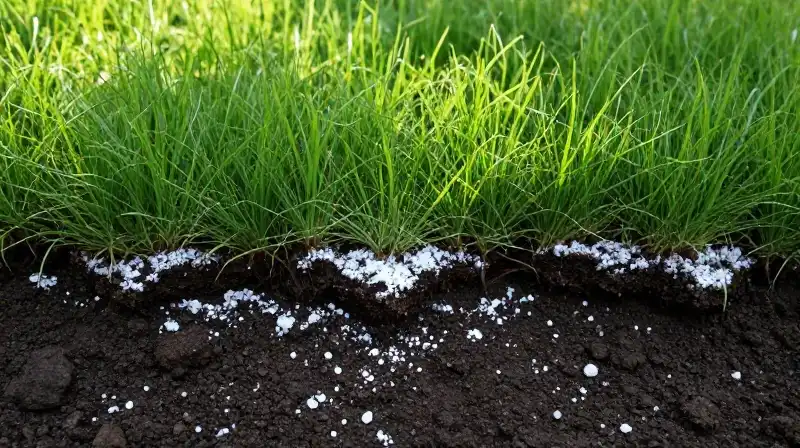
- Boosting Nutritional Content: Because sandy loam quickly leaches nutrients due to its fast drainage, incorporating organic matter or slow-release fertilizers is essential. Manure and aged compost not only add nutrients but also introduce vital microbial life that improves soil health over time.
Sandy Loam Soil Management: A Practical Guide
Successful use of sandy loam depends on its initial preparation and long-term care. Here are key considerations when managing this specific soil type:
- Initial Preparation: When mixing sandy loam with amendments, start with conservative ratios. For every three parts sandy loam, consider adding one part high-quality compost to begin balancing the texture and nutrient profile.
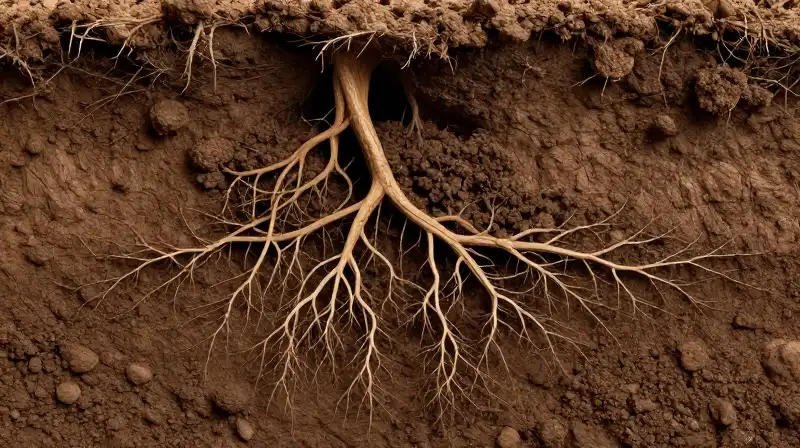
- Watering Practices: Because the soil drains quickly, deep but infrequent watering is more effective than shallow, daily watering. This encourages deeper root growth, which is a necessity in fast-draining media.
- Fertilization Schedule: Due to leaching, a regular fertilization schedule is necessary. Incorporating slow-release granular fertilizers at the beginning of the season, followed by liquid feeds during peak growing periods, helps maintain soil fertility.
The goal of management is to leverage the sandy loam’s excellent drainage while mitigating its tendency to become dry and nutrient-deficient.
Synthesis: When to Use Sandy Loam and Final Checks
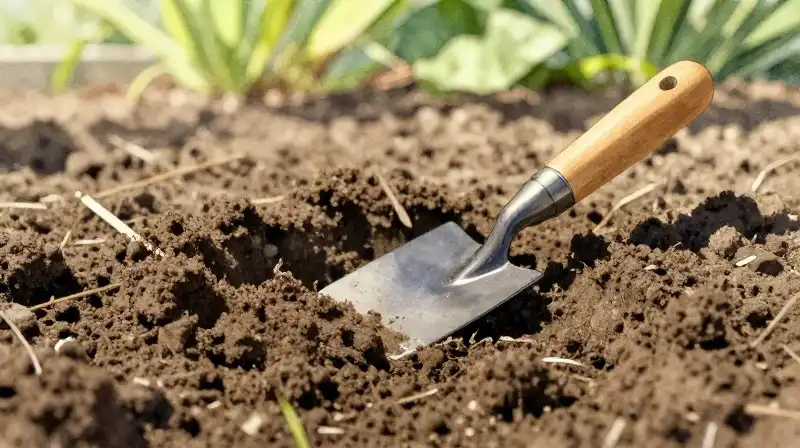
Sandy loam dirt is a highly functional material whose characteristics are best suited for specific horticultural and landscaping scenarios. It is an excellent structural base for mounding, a perfect medium for plants that suffer from root rot, and a superior raw material for creating customized soil blends.
Before deciding to use sandy loam as your sole planting medium, consider this brief evaluation:
- If your primary need is: Superior drainage and structural stability. Sandy loam is likely your best choice.
- If your primary need is: Maximum water and nutrient retention for moisture-loving crops. Sandy loam should be heavily amended or replaced with a higher clay/silt loam.
- Practical Precaution: Never use raw sandy loam for sensitive garden areas without adequate amendment. The lack of organic matter will quickly lead to nutrient depletion and insufficient moisture for most cultivated plants.
By understanding the specific percentages that define sandy loam—high sand, moderate silt, low clay—you can move beyond simple definitions and apply precise knowledge to achieve a healthy, resilient garden environment.
Related Articles