Lychee Fruit Tree: Growing Conditions, Varieties, and Culinary Uses

Introduction
The lychee (*Litchi chinensis*) is valued for its stunning flavor—a balance of sweet and tart, often carrying a pronounced floral, rose-like aroma. While it is a highly desirable ornamental and culinary fruit, successfully growing a lychee fruit tree requires more than simply planting a seed. Due to its tropical origins, the success of a lychee crop hinges on meeting very specific environmental demands, particularly regarding climate, soil structure, and careful cultivation.
This guide explores the critical requirements for nurturing a healthy lychee fruit tree, covering everything from ideal growing zones and soil preparation to managing varieties and understanding its lifecycle. If you are considering acquiring a lychee fruit tree, understanding these nuances is the first step toward a successful harvest.
Ideal Growing Conditions for Lychee Fruit Trees
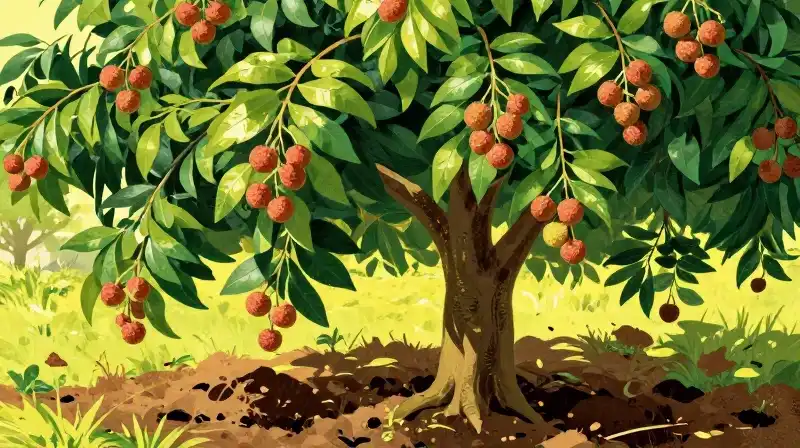
Lychee trees are genetically tied to tropical environments. Unlike many temperate fruit trees, they do not tolerate cold, meaning the most critical factor in cultivation is ensuring absolute frost-free conditions throughout the growing season.
Climate and Environmental Requirements
A lychee tree thrives in climates characterized by high summer heat, significant humidity, and consistent rainfall. While they can occasionally reach heights of up to 28 meters, they are often kept shorter through pruning and cultivation methods, making the compact, dwarf varieties popular for home gardens.
- Temperature: Requires sustained high summer heat and a complete absence of freezing temperatures.
- Water: Needs substantial rainfall and consistent watering, though it must never be waterlogged.
- Sunlight: Prefers full, direct sunlight for optimal fruit development.
Soil Composition and Drainage
The soil for a lychee fruit tree must be well-drained and rich in nutrients. Poor drainage can quickly lead to root rot, a common killer of this species. The preferred soil type is slightly acidic and should be heavily amended with organic matter to promote healthy growth and nutrient uptake.
Care and Maintenance: Achieving a Successful Harvest
Lychee trees have a distinct maturation cycle, with fruit development generally occurring within an 80 to 112-day period. Regular, focused care is necessary to manage this cycle effectively.
Watering and Feeding
While lychee trees require ample moisture, consistent overwatering is as detrimental as drought. Deep, infrequent watering during dry periods is often more beneficial than shallow daily watering. Fertilization should focus on providing a rich supply of organic matter, ensuring the soil remains fertile through the entire growing season.
Pruning and Training
For those seeking a compact lychee fruit tree (e.g., for urban settings or smaller gardens), controlled pruning is essential. This maintenance helps manage the tree’s overall shape, encourages bushier growth, and directs the tree’s energy toward fruit production rather than excessive height.
Choosing the Right Lychee Varieties
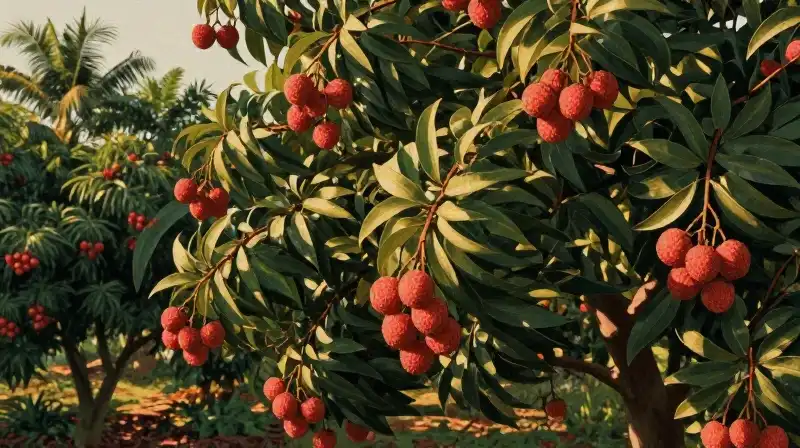
When selecting a lychee fruit tree for sale, the variety you choose dictates its maturity, size, and taste profile. The most commonly recognized subspecies—the Indochinese, Philippine, and Javanese—all offer unique characteristics.
Dwarf vs. Standard Trees
If you are limited by space, prioritize dwarf varieties. These specific cultivars are bred to maintain a manageable size, making them ideal for containers or smaller yards, while still providing a robust yield. Standard trees, while capable of growing taller, require more space and more intense management.
When evaluating a candidate, consider the market availability and desired size. Premium, air-layered specimens are often offered for sale, guaranteeing a faster start to fruiting and a higher probability of success compared to seeds.
Harvest, Preparation, and Culinary Uses
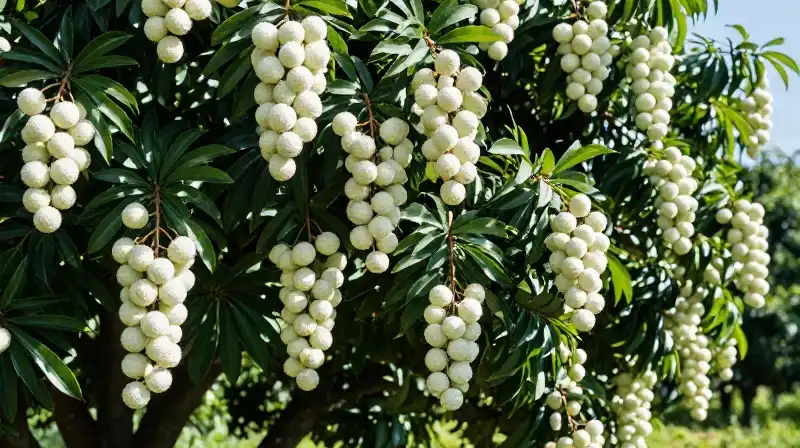
The fruit itself is characterized by a distinctive rough, pink-red shell, which protects the translucent, white, fleshy aril inside. The edible aril possesses a sweet yet mildly tart flavor and a recognizable floral aroma.
Edible Applications
Lychees are incredibly versatile. They are frequently enjoyed fresh in markets, or preserved in a canned format for year-round availability. Furthermore, their unique flavor profile makes them an excellent ingredient in culinary preparations, including the creation of unique lychee wine and liquor.
Advanced Cultivation and Critical Safety Warnings

Successful propagation and safe handling require specific knowledge. Lychee trees are traditionally propagated through air layering, a method where a mature branch is induced to root while still attached to the parent tree, resulting in an identical, vigorous specimen.
Safety Note Regarding Lychee Seeds
It is vital to note that the seeds of the lychee fruit contain a compound called methylenecyclopropyl glycine. This substance has been linked to hypoglycemia and encephalopathy. Therefore, it is critical to exercise extreme caution and avoid consuming lychee seeds.
Synthesis of Cultivation Success
Successfully cultivating a lychee fruit tree is a high-reward endeavor, provided the climatic requirements are met. To ensure optimal results, remember these three key priorities:
- Climate Match: Only select areas that guarantee frost-free conditions and ample tropical warmth.
- Soil Health: Always ensure your soil is well-drained and enriched with organic matter to prevent root stress.
- Varietal Suitability: Choose a variety (like a dwarf cultivar) that aligns with the available space and your maintenance commitment.
By adhering to these specialized requirements, you can successfully nurture a rewarding lychee fruit tree that provides both aesthetic beauty and exceptional flavor.
How to Successfully Grow a Lychee Fruit Tree
Check Environmental Suitability
Verify that the growing area meets tropical requirements, ensuring sustained high summer heat and a complete absence of freezing temperatures.
Prepare Soil Foundation
Prepare the soil by ensuring it is well-drained, slightly acidic, and heavily amending it with organic matter to support healthy root growth and nutrient uptake.
Select the Right Variety
Choose between a dwarf or standard cultivar based on available space, prioritizing dwarf varieties for smaller or container settings.
Manage Watering and Feeding
Provide substantial, deep, and infrequent watering during dry periods and consistently fertilize using a rich supply of organic matter.
Implement Pruning and Maintenance
Engage in controlled pruning to manage the tree's overall shape, encouraging bushier growth and directing the tree's energy towards fruit production.
Related Articles