
Wooden Tree Stakes: Optimal Size, Material, and Installation Guide

Introduction
Selecting the correct wooden tree stakes is essential for ensuring the stability of plant grow tubes and protecting vulnerable plants from wind and environmental stress. The process requires balancing size, material characteristics, and proper installation to guarantee maximum support and longevity. The fundamental rule is that the stake’s size must be a precise match to the diameter or specific dimensions of the Grow Tube it is intended to support.
Choosing the right stake material—such as Treated Pine, White Oak, or Bamboo—will determine its effectiveness based on environmental conditions, particularly soil type and the duration of its required service. Installing these stakes correctly, typically driven deep into the ground, ensures the plant receives the necessary structural support throughout its growth cycle.
Sizing and Fit: Matching Stakes to Grow Tubes
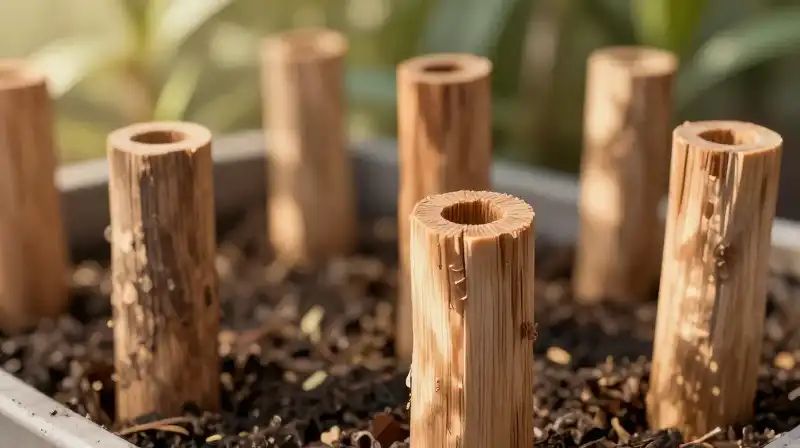
Improper sizing is the most common error in stake installation, leading to wobbling and failure. The stakes must be proportionate to the support they are meant to provide.
The correct procedure involves comparing the stake’s designated size or physical diameter directly against the specifications of the accompanying Grow Tube. Since wooden tree stakes are designed specifically for plant support, they are generally recommended for matching or slightly exceeding the diameter of the tube to provide a stable anchor. You may find options like 6 ft wooden tree stakes or 8 ft wooden tree stakes suitable for larger installations, but size selection is dependent on the plant’s scale.
Material Selection: Longevity and Environmental Suitability
The material of your wooden tree stakes determines how well they resist rot, fungi, and insects in specific soil conditions. Choosing the wrong wood for your location or intended use can drastically shorten the lifespan of the support.
Three primary options offer distinct advantages:
- Treated Pine: This material is highly effective for general pest and fungal resistance. It incorporates arsenic-free preservatives, such as micronized copper and tebuconazole, which provide long-term protection. Despite sometimes having a tight grain and small knots, which can mimic hardwood characteristics, it is primarily treated lumber designed for outdoor structural use.
- White Oak: Recognized for its naturally tight grain and exceptional inherent rot resistance, White Oak is the premium choice for challenging environments. It is specifically recommended when stakes need to be driven into hard or rocky soil, as its robust structure maintains integrity even under high pressure.
- Bamboo Stakes: While lightweight and often affordable, Bamboo is not suitable for heavy-duty applications. Due to its inherent short durability, it is not advised for use with large protectors, specifically those 36 inches and taller.
Installation Procedures: Driving Stakes into the Ground
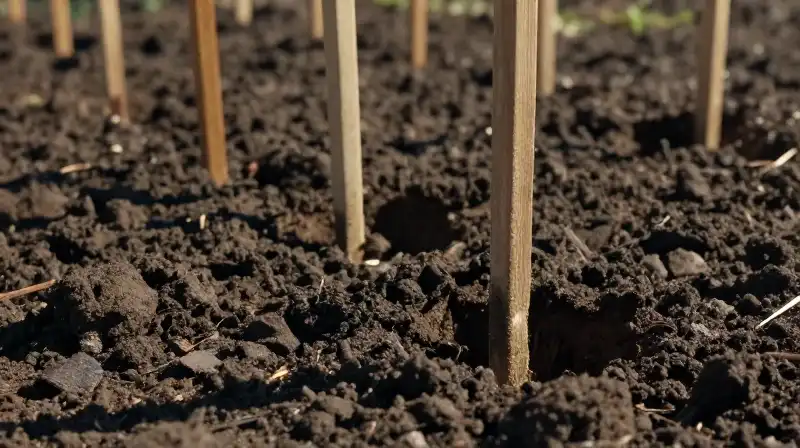
To ensure the stakes effectively anchor the plant, proper installation is critical. The stake must be placed in the ground to provide sufficient leverage against wind pressure and structural load.
Standard installation procedures require driving the wooden tree stakes deep into the ground. The recommended depth for effective stability ranges from 14 to 16 inches. This depth ensures that even if the surface soil dries out, the stake remains securely anchored.
- Orientation: Ensure the stake is placed perpendicular to the direction of expected wind or potential strain to maximize structural integrity.
- Ground Preparation: Loosen the soil slightly before driving the stake to allow for easier insertion, especially in clay-heavy areas.
- Stability Check: After installation, confirm that the stake is vertical and stable before tying the grow tube to it.
Addressing Lifespan: How Long to Leave Tree Stakes in the Ground? (People Also Ask)

The required lifespan of the stakes depends heavily on the material used and the severity of the environmental conditions. Unlike permanent landscaping structures, the decay rate of tree stakes is managed by their treatment.
Treated Pine, with its specialized copper and tebuconazole preservatives, is engineered for extended service life against fungi and insects. White Oak’s natural rot resistance provides permanent support regardless of the treatment lifespan. Bamboo stakes, however, have a limited service life and are only suitable for short-term growth support.
In general, you should keep the stakes in place for the duration of the critical growth phase of the plant, typically until the plant has established a robust root system and can support its own structural weight. However, the specific timeline should be matched to the material’s expected durability.
Practical Considerations for Heavy Duty and Commercial Use
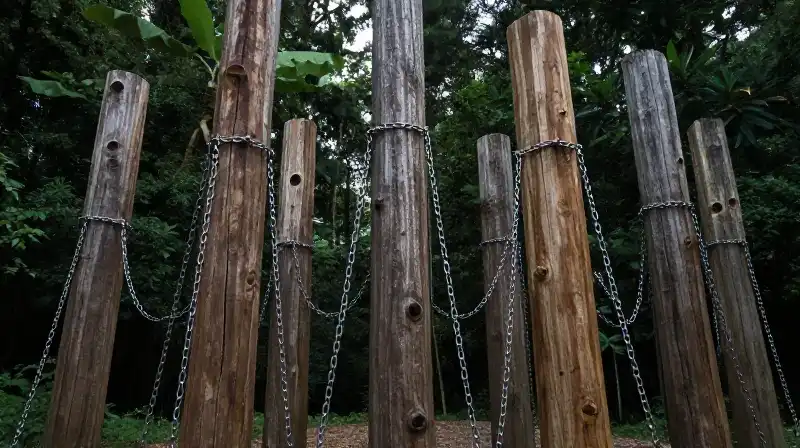
When dealing with large-scale installations, such as those utilizing Heavy Duty Tree stakes or specific dimensions like 10 ft or 6 ft wooden stakes, the distinction between material quality becomes paramount. Commercial applications and larger plant protectors require a material that guarantees prolonged strength.
While Treated Pine often provides a durable, budget-friendly option with internal chemical protection, White Oak offers the superior assurance of inherent, natural rot resistance, making it ideal for high-stakes or difficult soil conditions. Evaluating the stake not just by length but by the quality of its timber and its specific preservative content is crucial for successful, long-term plant support.
Synthesis: Ensuring Success with Wooden Tree Stakes
To achieve optimal results with wooden tree stakes, successful decision-making depends on aligning the stake’s attributes with the specific needs of the Grow Tube and the environment. Prioritize matching the stake’s size to the tube’s diameter to avoid structural instability. Use Treated Pine for general pest protection and longevity, White Oak for inherently resistant support in difficult or rocky ground, and avoid Bamboo for long-term, large-scale support. Remember to drive all stakes at a depth of 14–16 inches to guarantee maximum foundation stability and support your plant through its most vulnerable growth phases.
Frequently Asked Questions
How long should you leave tree stakes in the ground?
In general, you should keep stakes in place for the duration of the critical growth phase of the plant, typically until the plant has established a robust root system. The specific timeline, however, should be matched to the expected durability of the material used.
Related Articles