Best Purple Crape Myrtles by Size: From Miniature to Tall

Introduction
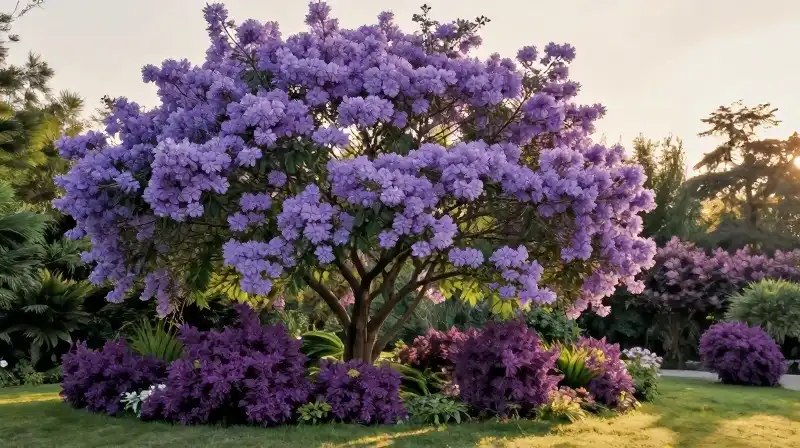
The Purple Crape Myrtle, with its rich palette of lavender and deep royal shades, offers one of the most striking visual anchors for hot-climate landscaping. When planning a garden, the size of the plant is just as important as its color, dictating where it can thrive and what role it plays in the overall landscape. Whether you seek a small, high-impact accent or a towering, regal statement, selecting the correct size is the key to successful Purple Crape Myrtle cultivation. This guide breaks down the best purple options categorized by their expected mature height, allowing you to match the perfect shrub to your specific landscape needs.
Growth Category Definitions
 Crape myrtles are broadly categorized by their final mature height. Understanding these ranges allows you to plan for the plant’s long-term space requirements and potential for pruning. The classification generally includes five distinct size groups: Miniature, Dwarf, Intermediate, Medium, and Tall. Each stage offers unique benefits, from providing delicate accent colors near a patio to supplying dramatic seasonal height and structural interest in larger yards.
- Miniature: Under 3 feet. Ideal for container gardening or small border accents.
- Dwarf: 3–5 feet. Excellent for tight spaces or structural planting near pathways.
- Intermediate: 5–10 feet. Versatile shrubs, perfect for defining garden edges or medium focal points.
- Medium: 10–20 feet. Large, established specimens that provide significant year-round coverage.
- Tall: Over 20 feet. Imposing trees used to provide dramatic height and canopy.
Purple Crape Myrtles by Size Requirements
Miniature and Dwarf Varieties (Under 5 Feet)
For gardeners with limited space or those wanting accent plants that don’t overwhelm a small area, miniature and dwarf forms provide bold purple blooms without the massive canopy. These smaller options are often perfect for tight spaces, pots, or front-of-border planting.
- Mardi Gras and New Orleans: These miniature options offer a bold purple presence, making them perfect for high-impact, small decorative spaces.
- Petite Orchid and Centennial: Found in the dwarf size range, these varieties are highly adaptable and provide classic purple or lavender hues in a compact form.
Use case: Accent lighting near entrances, small patios, or urban container gardens.
Intermediate and Medium Varieties (5 to 20 Feet)
The intermediate and medium stages are the most versatile, allowing purple crape myrtles to function as reliable foundation plantings. They grow to heights that provide significant visual interest without becoming overwhelming for typical residential gardens.
- Dwarf Purple and Purple Cow: These are excellent mid-sized options for smaller yards, offering predictable growth in the 5–10 foot range.
- Catawba, Powhatan, and Miss Gail: Found in the robust medium size category (10–20 feet), these purple cultivars offer substantial foliage and bloom for defining areas like driveways or large garden borders.
Use case: Border definition, foundation planting, or creating mid-sized garden focal points.
Tall Purple Crape Myrtles (Over 20 Feet)
For properties with ample space, the tall crape myrtles deliver dramatic scale and a towering presence. These specimens transform the landscape, offering a grand scale during their vibrant purple flowering season and unique winter architecture.
- Twilight: This variety is notable for its deep purple coloring and substantial mature height, making it an ideal choice for providing height and structure in larger, open gardens.
Use case: Establishing an arboreal presence, creating dramatic overhead interest, or utilizing open space where the tree can be allowed to flourish.
Beyond Purple: Evaluating Crape Myrtle Selection
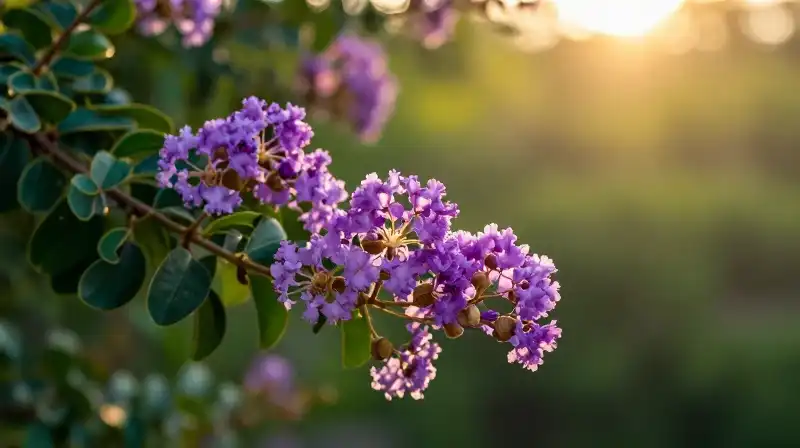 When choosing your ideal purple crape myrtle, size is only one factor. A specialized selection should consider the plant’s overall characteristics to ensure long-term satisfaction.
Climate and Site Requirements
Regardless of size, Purple Crape Myrtles are highly adaptable but thrive under specific conditions. They are exceptionally hardy and flourish in hot environments. However, successful cultivation requires:
- Full Sun: Ensure the chosen location receives direct, abundant sunlight. Without sufficient sun, the vibrant purple colors may be muted.
- Drainage: These plants perform best in well-drained soil. If drainage is poor, roots can suffer.
Selecting the Right Shade and Form
The “purple” category encompasses a wide spectrum, from soft, classic lavender to intense, dark royal purple.
If you are seeking a specific look, observe the differences between cultivars: Some varieties offer a more diluted, ethereal lavender that pairs well with lighter foliage, while others provide a deep, saturated violet that makes a bold, regal statement. The choice of cultivar directly impacts the intensity and longevity of the flower color.
Practical Considerations for Your Garden Plan
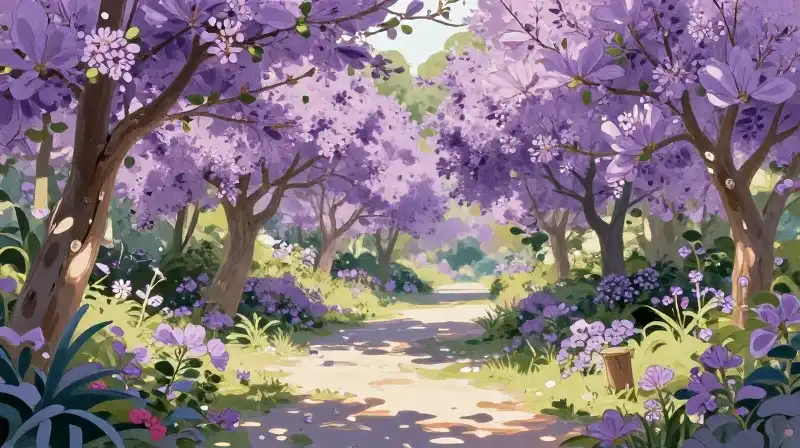 Before planting, it is essential to assess the limitations and potential needs of the specific size you choose.
Space vs. Vigor: While taller varieties provide massive impact, remember that they require more maintenance and space than their miniature counterparts. A miniature variety like Mardi Gras can be maintained in a small 3x3 foot space, while a Medium option like Catawba will eventually need more room to achieve its full 10–20 foot potential. Always consult the specific cultivar’s mature size guidelines before planting.
Seasonal Interest: Beyond the striking spring and summer purple blooms, consider the transition into autumn and winter. Crape myrtles offer spectacular seasonal transitions, with deep oranges and reds appearing in fall, complemented by the unique exfoliating bark of the trunk in the cold months. This adds value to even the smallest purple varieties.
Final Synthesis of Choice: If you prioritize space efficiency and high visual impact, opt for the Miniature or Dwarf varieties. If you need a versatile landscape workhorse that defines borders without becoming a giant, the Intermediate and Medium sizes are best. If your primary goal is architectural height and a grand canopy, invest in a Tall purple specimen.
Selecting the Ideal Purple Crape Myrtle for Your Garden
Assess Landscape Requirements
Determine your available space and decide whether you need a high-impact accent, reliable foundation planting, or architectural height.
Match Size to Needs
Review the five size categories (Miniature, Dwarf, Intermediate, Medium, Tall) and select a height range that fits your physical landscape constraints.
Choose the Right Variety
Select a specific purple cultivar within the chosen size category to ensure the bold colors and forms you desire (e.g., Twilight for tall, Petite Orchid for dwarf).
Evaluate Site Conditions
Verify that the planting location provides full, direct sunlight and has well-drained soil to ensure the plant thrives.
Review Long-term Maintenance
Consider the size-related maintenance needs, as taller varieties require more space and care than miniature options.
Related Articles