Breaking Seed Dormancy: Propagating Lilium Michiganense

Introduction
The successful propagation of native wildflowers requires understanding their natural life cycles. For the Michigan Lily (*Lilium michiganense*), the primary obstacle to germination is seed dormancy. This inherent mechanism, where a seed waits for optimal environmental conditions before sprouting, is not a failure of the seed but a survival strategy. Utilizing this dormancy concept is the key to economically growing this native species from seed. To achieve successful results, you must apply a method to break the internal dormancy—either naturally or artificially—before planting. The required effort and timeframe vary significantly by species; therefore, starting with the specific germination instructions provided by the seed source is the essential first step.
Understanding Seed Dormancy in Native Lilies
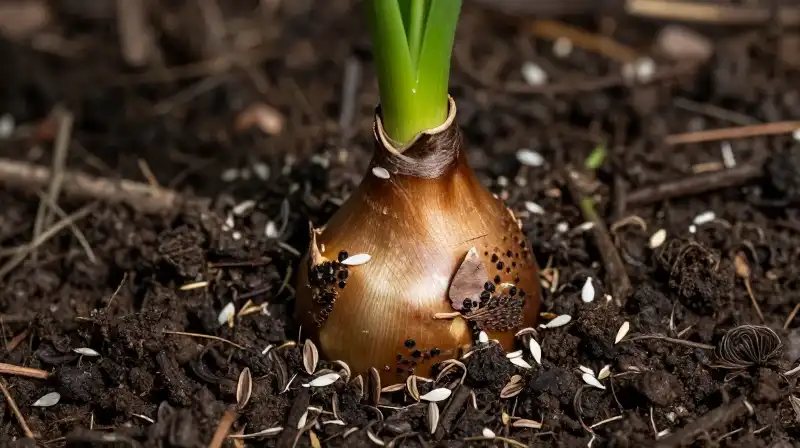 Seed dormancy prevents mass germination, ensuring that seeds only sprout when the resources (moisture, temperature, light) are sufficient to support establishment. In species like *Lilium michiganense*, this can manifest as physical dormancy (requiring scarification) or chemical dormancy (requiring specific environmental cues like cold). Because the specific requirements for breaking dormancy differ across the *Lilium* genus, a generalized approach is ineffective. You must determine whether your specific batch of *Lilium michiganense* seeds requires conditioning, a long cold cycle, or simply exposure to natural seasonal change.
Methods for Natural Dormancy Breaking: Dormant Seeding
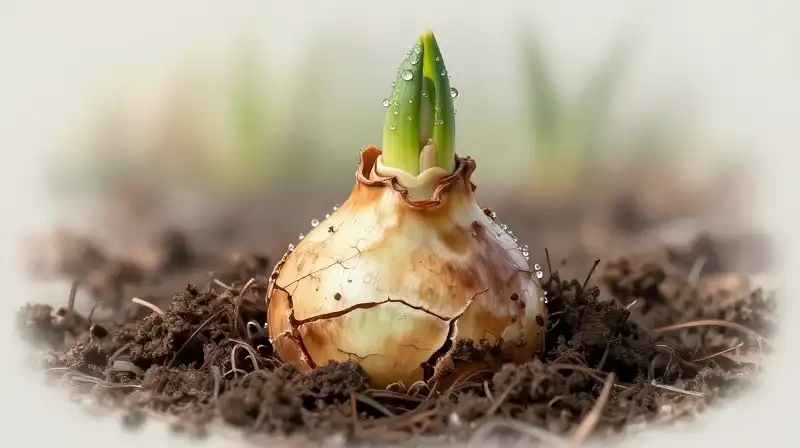 Dormant seeding is the method that mimics the natural behavior of the plant in its native prairies. This approach utilizes the environment itself to break the seed’s internal dormancy. This technique is best applied during late fall or early winter, after the growing season has ended.
By sowing seeds on a weed-free site before the ground freezes, the seeds are protected by the overlying snow. This snow acts as a natural insulator and conditioning agent, providing the prolonged cold, moist environment required by many native species. The moisture and temperature fluctuations during this phase prepare the seed for the intense growth period of the subsequent spring. While this method is low-effort and highly beneficial for the health of the seedling, it requires patience and a dedication to managing the site through the winter months.
Controlled Dormancy Breaking: Cold/Moist Stratification
When natural conditions are unpredictable or you wish to accelerate the process, cold/moist stratification is the artificial alternative. This method simulates the necessary winter cycle indoors, allowing for control over temperature and moisture levels.
How to Stratify Lilium Seeds
- Moisten the Seeds: Place the seeds in a container with a slightly damp, sterile medium (such as peat or vermiculite). They should be damp, but not saturated.
- Refrigeration: Seal the container and place it in a refrigeration unit. The required temperature and duration are critical and must match the species’ needs.
- Duration: Cold stratification often requires a period ranging from several weeks to several months. For lilies, this sustained cold period is typically what triggers the necessary chemical changes for germination.
- Planting: Once the recommended stratification period is complete, the seeds are ready to be planted in their desired growing medium.
Species-Specific Requirements for Lilium michiganense
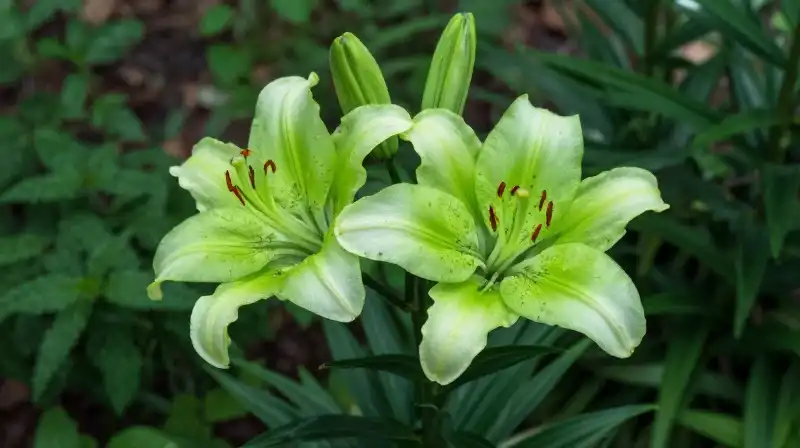 While the general techniques of dormant seeding and stratification apply to many native species, the specific instructions for *Lilium michiganense* must always be prioritized over general advice. The seed packet or reliable horticultural resources often list a “germination code.” This code dictates the exact timing, temperature, and conditions needed.
For instance, some strains of *Lilium* may require a period of “moist stratification” (cold, but no moisture) while others require “moist stratification” (cold and wet). If the seed packet does not specify a requirement, assume that the seed requires no pre-treatment and attempt to sow them during the first mild moisture of spring. However, if the seed source provides a specific dormancy requirement, following that protocol is the only way to ensure successful propagation.
Navigating Common Propagation Pitfalls
Even with correct dormancy breaking, novice gardeners may encounter issues that prevent germination. Success requires careful preparation and attention to detail.
| Pitfall | Cause | Correction |
|---|---|---|
| Lack of Germination | Incomplete dormancy breaking (not enough cold or moisture) | Re-evaluate the method used and extend the cold period or increase the duration of dormant seeding. |
| Poor Seed Health | Over-handling, improper storage, or using old seed | Use fresh seeds from a reputable source and store them in a cool, dark, dry place until needed. |
| Incorrect Timing | Attempting stratification or sowing when external temperatures are too warm | Always adhere to the germination code and ensure the environmental conditions precisely mimic the species’ native habitat during the conditioning phase. |
Priorities for Lilium michiganense Success
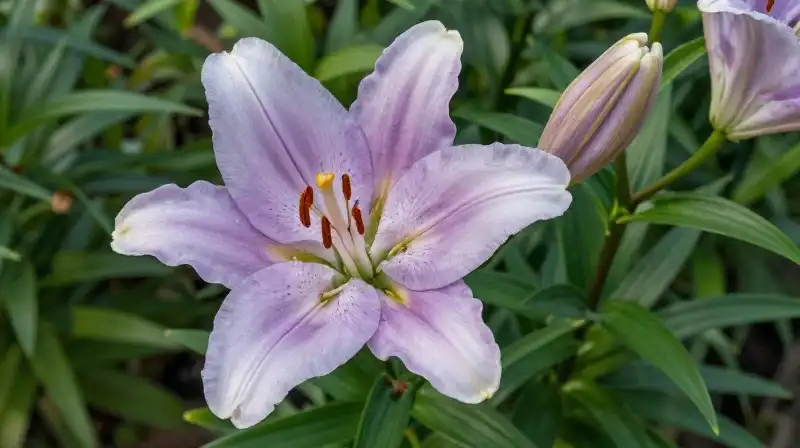 Successfully growing *Lilium michiganense* from seed is an investment in future landscape health. To maximize your chances of success, focus on these practical priorities:
- Consult the Source: Treat the germination code on your seed packet as the primary authority. Do not assume general rules apply.
- Match the Environment: When using stratification, ensure your refrigerator can maintain the specific cold range required for the seed.
- Patience is Key: Dormancy breaking is not a rapid process. The timeline varies drastically, from short conditioning periods to several years in the case of deep dormancy.
The transition from seed to thriving Michigan Lily requires diligent application of dormancy principles. By selecting the correct dormancy breaking method—whether through the natural weather of late autumn or the controlled environment of the refrigerator—you prepare the seed to successfully integrate into your garden as a resilient native plant.
How to Stratify Lilium Seeds
Moisten the Seeds
Place the seeds in a container with a slightly damp, sterile medium (such as peat or vermiculite). They should be damp, but not saturated.
Refrigeration
Seal the container and place it in a refrigeration unit. The required temperature and duration are critical and must match the species' needs.
Duration
Cold stratification often requires a period ranging from several weeks to several months. For lilies, this sustained cold period is typically what triggers the necessary chemical changes for germination.
Planting
Once the recommended stratification period is complete, the seeds are ready to be planted in their desired growing medium.
Related Articles