Syngonium Varieties: Guide to Stunning Colors and Foliage

Introduction
Syngonium, often recognized by its signature arrow-shaped leaves, is more than just a popular indoor houseplant; it is a dynamic canvas of foliage. Originating from the tropical rainforest environment of Central and South America, the plant is celebrated for its adaptability and the sheer diversity of its visual expressions. Beyond its robust nature and ease of care, the real appeal of this genus lies in the breathtaking variety of its leaves—each pattern, color, and texture offering a distinct aesthetic contribution to any interior space.
This guide explores the world of syngonium varieties, moving beyond simple names to provide a detailed understanding of what makes each plant unique. We categorize them not just by color, but by their specific visual characteristics, allowing you to match the plant’s unique foliage and growing habit to your décor and care style.
Understanding the Visual Spectrum of Syngonium
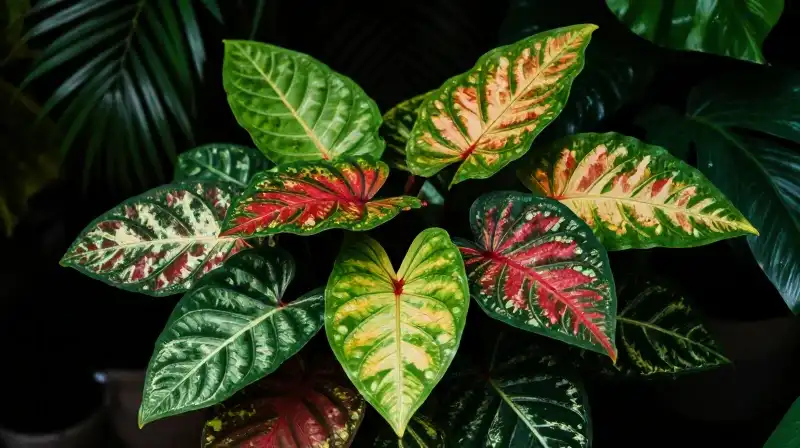
Before diving into specific cultivars, it is useful to understand the terms used to describe Syngonium’s appeal. Unlike many plants, the visual interest comes entirely from the leaf pattern and coloration, which often change as the plant matures. Varieties are generally classified based on how they achieve their visual impact:
- Variegation: This refers to the presence of different colored patches on the leaf (e.g., white, cream, silver) against a green background. This can range from fine speckles to large, contrasting blocks of color.
- Solid/Monochromatic: These varieties maintain a single, consistent color or tone across the entire leaf, often offering deeper, more saturated hues like deep reds or vibrant greens.
- Texture/Form: Some varieties are prized for specific textures (like the velvet of *Wendlandii*) or distinct leaf shapes (like the dramatic lobes of *Syngonium angustatum*).
The Deep Greens and Striking Reds: Saturated Foliage
For those seeking rich, foundational greens or dramatic pops of warm color, these solid or deeply pigmented varieties offer complexity through saturation rather than variegation.
Deep Greens and Metallics: Many robust varieties offer a steady, deep green base, which serves as an excellent, reliable backdrop for smaller plants. Cultivars like ‘Green Gold’ or specific metallic varieties possess a slight sheen that catches the light, adding a subtle layer of depth without the high maintenance of strict variegation.
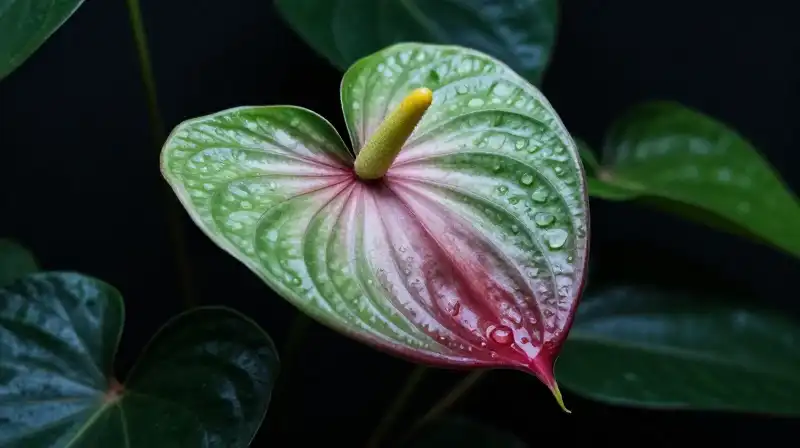
The Vibrant Pink and Red Spectrum: Pink coloration is a highly sought-after trait in syngonium. Cultivars such as ‘Neon Robusta’ and ‘Pink Splash’ are celebrated for their intensely vibrant pink hues, which often appear prominently in their younger leaves. ‘Strawberry Cream’ is a fascinating example, as its pink coloration is often restricted to its juvenile leaves before maturing into solid green, creating a beautiful transitional effect.
The Light and Ethereal Varieties: White and Silver
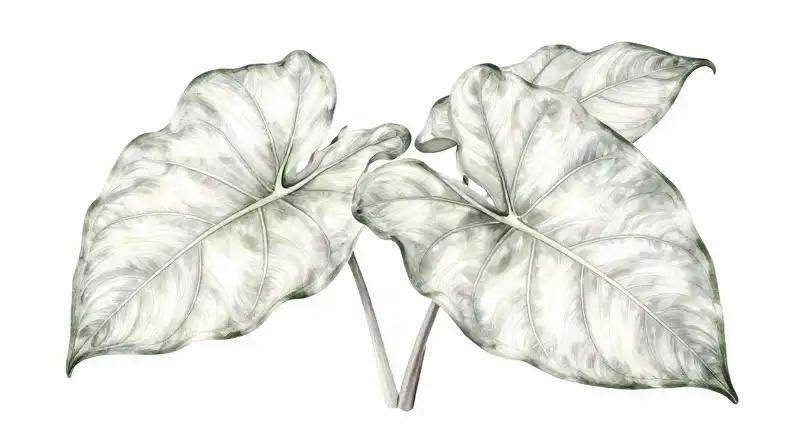
If your goal is to introduce bright, airy accents, the variegated and pale varieties of Syngonium provide a striking contrast to darker foliage. These plants require slightly careful monitoring to ensure the variegation remains sharp.
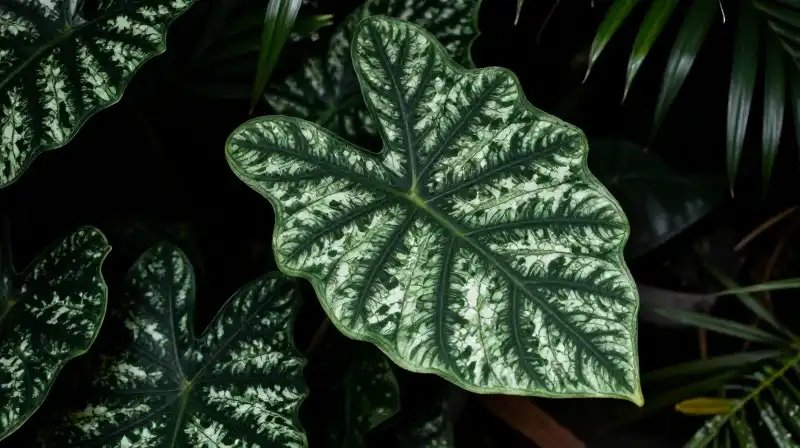
White and Pale Speckling: Varieties like ‘Snow White’ and ‘Albo Variegatum’ are prized for their distinct white and pale patterning. These plants offer a bright, ornamental presence. Maintaining the integrity of this variegation is crucial, as poor light or lack of pruning can sometimes cause the variegation to dull or revert toward green.
Velvet Textures: The ‘Silver Goosefoot,’ or *Wendlandii*, stands out in this category. It features dense, velvety leaves with a beautiful combination of green and silvery-gray variegation. This variety is notable for how its leaves evolve, becoming increasingly lobed and complex as the plant ages, adding a dynamic sense of maturity to its appearance.
Pattern Play: Confetti and Unique Morphology
Not all visual interest comes from solid color blocks or simple white patches; some syngonium varieties captivate through complex patterns and unique leaf structure.
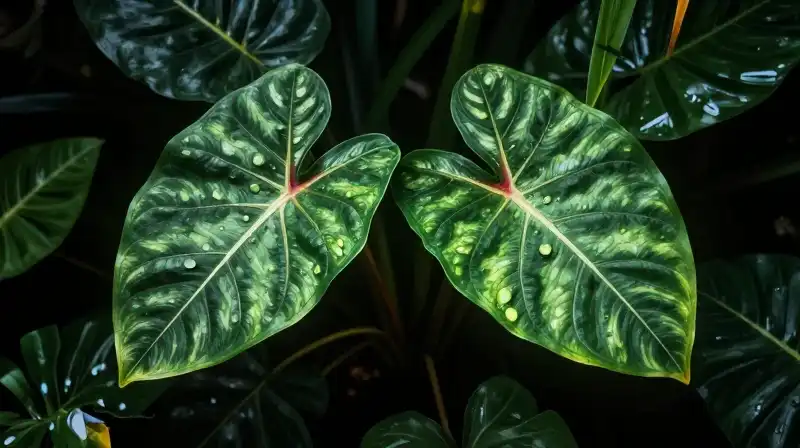
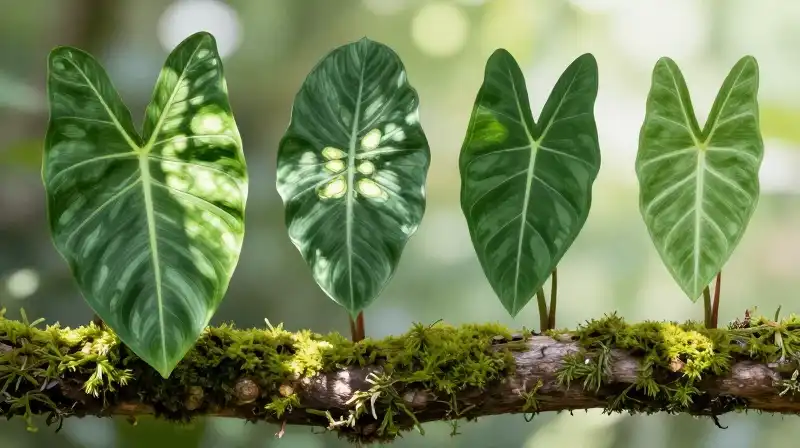
The Confetti Effect: Varieties referred to as “Confetti” or similar patterns display a scattered, marbled mix of colors and shapes across the leaf surface. This creates a dynamic, multi-tonal texture that is perpetually engaging and unique on every leaf. These complex patterns often require adequate light and nutrients to fully express their full range of colors.
Distinct Leaf Shapes: Beyond color, some varieties are defined by their morphology. *Syngonium angustatum*, for instance, is recognized for its tri-lobed appearance, giving it a much more structured and architectural look compared to the typical heart-shaped syngonium. These shapes add an unexpected, sophisticated element to a plant collection.
Choosing the Right Syngonium: Decision Criteria and Considerations
Selecting a syngonium depends on your available light, maintenance preference, and desired visual impact. Using these criteria can help you make an informed choice.
| Desired Aesthetic | Recommended Traits/Varieties | Light Needs & Care Notes |
|---|---|---|
| Vibrant Color Pop | ’Neon Robusta’, ‘Pink Splash’ | Bright, indirect light to maximize color saturation. |
| Airy, Bright Texture | ’Albo Variegatum’, ‘Snow White’ | Requires consistent brightness to maintain sharp variegation. Pruning helps refresh patterns. |
| Sophisticated, Deep Contrast | ’Wendlandii’ (Silver Goosefoot) | Prefers moderate light; the velvety texture thrives in balanced conditions. |
| Trailing, Cascading Form | ’Gold Allusion’, ‘Green Gold’ | These are well-suited for hanging pots. Ensure drainage is excellent to prevent root rot. |
Practical Maintenance Nuances for Syngonium
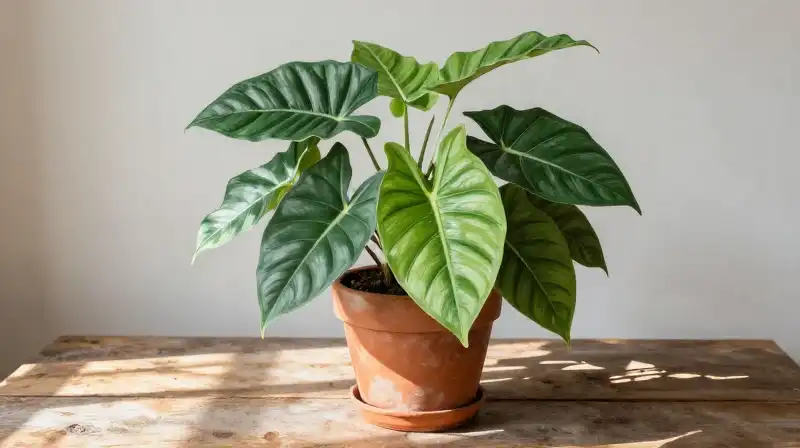
While syngonium is known for being beginner-friendly, specific varieties benefit from tailored care to optimize their display. The primary goal of maintenance is always to encourage the plant to produce new, high-quality foliage.
- Pruning for Pattern: For highly variegated or patterned types, routine pruning is not just about aesthetics; it is vital. Cutting back older leaves forces the plant to divert energy into new growth, which is often where the most distinct and vibrant leaf patterns emerge.
- Humidity and Temperature: Being native to tropical rainforest environments, most varieties, especially those with delicate textures like ‘Silver Goosefoot,’ appreciate consistent warmth and humidity. Misting or grouping them with other plants helps maintain this favorable microclimate.
- Color Consistency: For varieties that mature, like ‘Strawberry Cream’ or those with pink juvenile leaves, understand the plant’s life cycle. If the mature color is a deep green, accept this as part of its natural development.
Selecting the Right Syngonium for Your Space
Ultimately, the perfect syngonium variety is the one that harmonizes with its environment and your personal taste. Consider the following criteria before purchasing:
- Light Match: If your space has low light, stick to deep green or highly variegated types which can often handle less light. Extremely vibrant pink or metallic varieties perform best in consistently bright, indirect light.
- Form vs. Foliage: Do you want a stunning, solid burst of color (like ‘Pink Splash’), or do you prefer an intricate, textural conversation (like ‘Confetti’ or ‘Wendlandii’)?
- Trailing Habit: If you are using it as a cascade in a hanging pot, select varieties like ‘Gold Allusion.’ If it is intended as a central, bushy statement, look for types that maintain a compact growth habit.
By understanding the nuances between color saturation, variegation complexity, and physical form, you can move beyond simply naming a plant and start curating a visually stunning and thriving collection of syngonium foliage.
Explore more: Traditional Día de los Muertos: Symbols, History, and Custom
How to Choose and Maintain a Syngonium Plant
Match Light Conditions
Assess your available light and choose a variety accordingly; low-light spaces can handle deep greens or variegated types, while vibrant or metallic varieties require bright, indirect light.
Determine Desired Aesthetic
Decide whether you prefer a striking, solid burst of color (like Neon Robusta) or an intricate, textural conversation (like a Confetti or Wendlandii).
Select Placement Form
If using the plant as a cascade in a hanging pot, choose a trailing variety; for a central, bushy statement, select one with a compact growth habit.
Encourage New Foliage
Prune older leaves regularly. This forces the plant to divert energy into new growth, which often produces the most distinct and vibrant leaf patterns.
Maintain Optimal Environment
Provide consistent warmth and humidity, especially for delicate varieties like 'Silver Goosefoot'. Misting or grouping plants can help maintain the necessary microclimate.
Related Articles