Mesic Habitats: How Stable Moisture Supports Life in Dry Landscapes

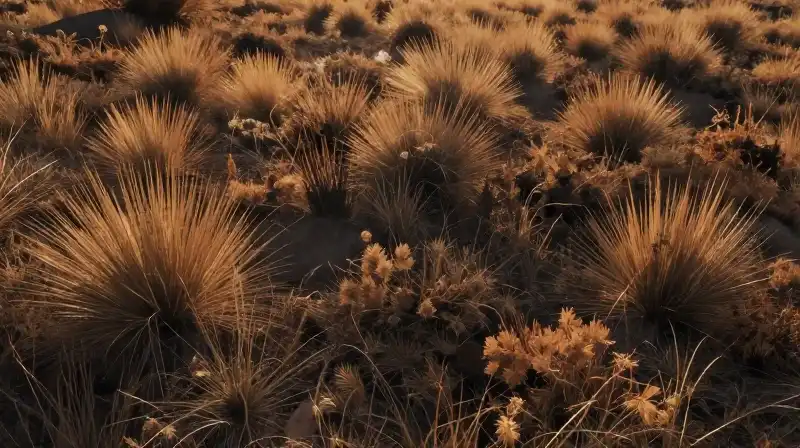
Introduction
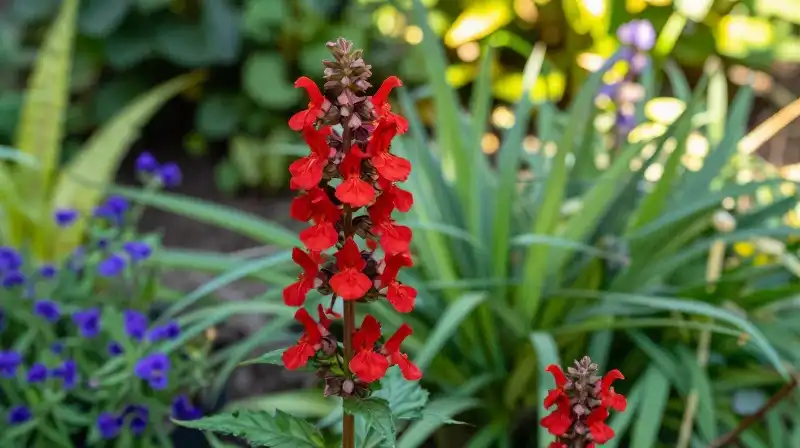
A mesic habitat describes a specialized ecosystem maintained by a consistent and moderate level of moisture throughout the growing season. Unlike hydric (wet) areas or xeric (dry) environments, mesic conditions occupy the middle ground, ensuring reliable water availability regardless of short-term climatic variability. The term originates from the Greek word *mesos*, meaning “middle,” which signifies a precise moisture balance situated between the extremes of water abundance and scarcity. These environments are not merely wet spots; they function as vital ecological anchors, providing a necessary degree of stability in landscapes that are otherwise prone to drought.
The Function of Mesic Ecosystems: Natural Drought Insurance
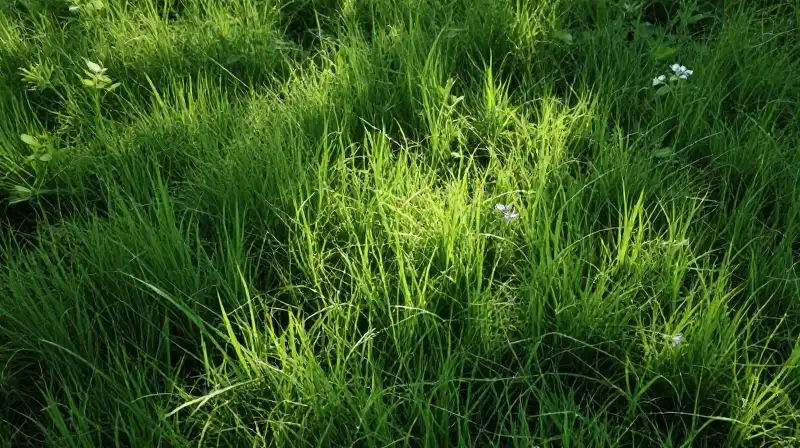 The defining characteristic of mesic habitats is their resilience, largely due to their ability to manage and retain water. They typically feature rich, loamy soil with a highly developed structure, allowing the ground to act much like a massive natural sponge. This capacity to store large volumes of precipitation is crucial for survival, as it facilitates slow nutrient flow and sustains life even when surface rainfall temporarily ceases. In regions facing increasing aridity and rising temperatures, mesic areas provide critical “drought insurance.” They maintain a persistent, localized microclimate that buffers the surrounding drier environments. This sustained moisture enables the complex food webs and nutrient cycling processes necessary for robust ecological function, making them essential nodes in the regional water cycle.
Key Components: Types and Examples of Mesic Habitats
 Mesic habitats manifest in diverse forms, often dictated by local hydrology. Understanding the different expressions of mesic conditions helps illustrate their ecological versatility.
Hydro-Geographical Examples
Mesic resources are sustained by various water sources and topographical features:
- Riparian Corridors: Areas adjacent to streams and rivers, benefiting from continuous shallow groundwater.
- Wet Meadows: Areas with high, but controlled, water tables, supporting specialized grasses and forbs.
- Spring and Seeps: Points where subsurface water reaches the surface, maintaining localized high moisture.
- Mesic Forests and Prairies: Extensive tracts of vegetation established in areas with moderate subsurface moisture, contrasting with desert or scrub biomes.
Defining Mesic Soil and Vegetation
The underlying soil composition is often rich in organic matter, enhancing its water retention capacity. The vegetation that thrives here is adapted to exploit this stable moisture.
Specific plant communities, such as certain types of forbs and mesic grasses, are highly specialized to utilize the moderate moisture levels, forming the foundational layer of these ecosystems. These plants are vital components, providing stable and abundant food sources for a wide array of fauna.
Mesic Habitats in Dry Landscapes: Green Islands of Life
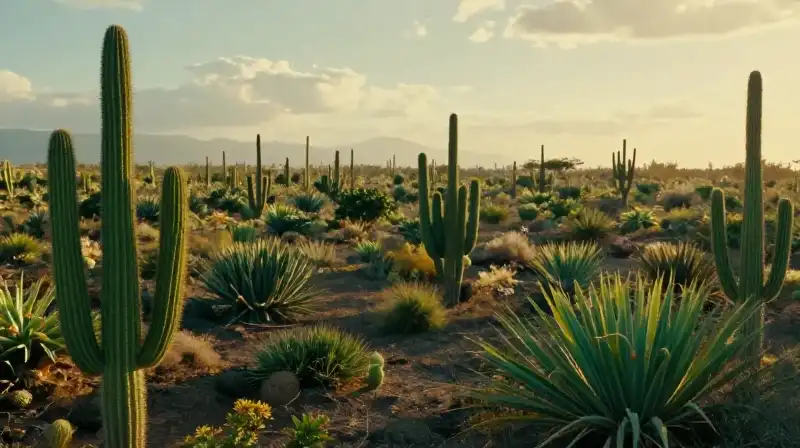 Mesic environments are particularly significant in arid regions, such as the American West and Mediterranean climates. In these areas, mesic lands represent a comparatively tiny fraction of the total landscape—often less than 2% of a dry region. The role of these areas shifts from being merely “moist” to being absolutely critical “green islands.” They serve as essential life support systems for the surrounding arid environments. Animals depend on these areas for reliable hydration and forage, and they facilitate the survival of various species that could not otherwise exist in the surrounding desert or grassland.
Evaluating the Ecological Value: Why Mesic Lands Matter
The value of a mesic habitat extends beyond providing water; it supports critical biological processes. The stability offered by constant moisture facilitates efficient nutrient uptake by flora and dictates complex interactions within the ecosystem.
This stable condition allows diverse biological processes to occur successfully. The maintenance of healthy mesic areas is directly correlated with the overall stability of the regional ecology. Healthy mesic areas, including robust riparian corridors, are natural engines for water capture, effectively storing and slowly releasing precipitation throughout the year, even during dry spells.
Because of their unique function, the most valuable mesic resources are often located on private or managed lands, necessitating careful attention to their maintenance and protection against encroachment and human pressures like intensive ranching or development.
Conservation and Sustainability: Managing Mesic Resources
 While mesic habitats are naturally resilient, they face significant threats from human activities, including overgrazing, climate change impact, and altered water flow. Preserving these delicate balances requires specific management approaches.
When considering the conservation or management of mesic lands, it is useful to look at the following factors:
- Water Flow Integrity: Maintaining the natural flow of snowmelt and seasonal runoff, which is the primary recharge mechanism.
- Vegetation Health: Ensuring the diverse flora, particularly forbs and specialized grasses, remains robust to maximize water absorption and stability.
- Land Use Conflict: Mitigating the pressures of adjacent land use, such as agricultural expansion or intensive livestock grazing, which can deplete soil moisture and destroy delicate plant structures.
Summary: The Critical Role of Mesic Balance
Mesic habitats are defined by a sustainable, moderate moisture level that provides ecological stability in challenging environments. They are not common on a broad geographic scale, but where they exist—particularly in arid regions—they are critically important. They function as natural water reservoirs and vital supports for biodiversity, acting as green refuges and buffers against environmental extremes. Effective management must prioritize the preservation of their hydrological function to ensure the continued life of these essential ecosystems.
Frequently Asked Questions
What is meant by mesic conditions?
Mesic conditions refer to a specialized ecosystem maintained by a consistent and moderate level of moisture throughout the growing season. This precise moisture balance occupies the middle ground between the extremes of water abundance and scarcity, ensuring reliable water availability and ecological stability.
What are examples of mesic ecosystems?
Mesic ecosystems are exemplified by riparian corridors, wet meadows, spring and seeps, and mesic forests and prairies.
What plants thrive in mesic conditions?
Specific plant communities, such as certain types of forbs and mesic grasses, are highly specialized to utilize the moderate moisture levels found in these ecosystems. These specialized plants form the foundational layer and are vital for providing stable food sources for various fauna.
Are mesic environments common?
Mesic habitats are not common on a broad geographic scale. In arid regions, these mesic lands represent a comparatively tiny fraction of the total landscape, often making up less than 2%.
Related Articles