
Willow and Reed Fencing: Natural Decor and Boundary Ideas

Introduction
Reed and willow fencing offers an alternative to traditional structural barriers, blending functionality with organic beauty. These natural materials are primarily utilized to define spaces, create garden borders, or provide decorative wall treatments in both interior and exterior settings. While both types of fencing contribute a rich, natural aesthetic, they differ significantly in construction, texture, and application. Choosing the right option depends entirely on whether your goal is a flexible, smooth division (Reed) or a rugged, rustic boundary (Willow).
Differentiating Reed and Willow Fencing Materials
 The fundamental distinction between these two materials lies in their harvested state and structural rigidity. Understanding these differences is crucial before making a selection for any project.
Reed Fencing Characteristics
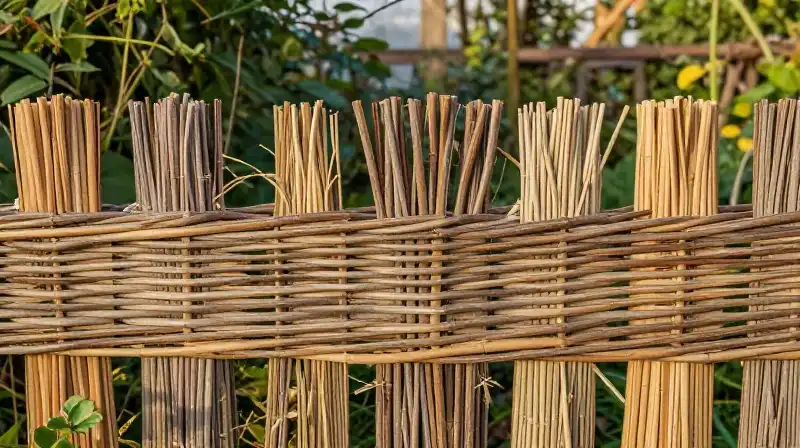
Reed fencing is crafted from peeled freshwater reed. Because it is harvested and processed, it offers a highly flexible, uniform material. Its natural state often allows for subtle variations in color, commonly available in shades like natural or coffee, adding depth to interior design.
- Construction: Peeled freshwater reed.
- Aesthetic: Sleek, flexible, and uniform, suitable for contemporary or coastal tropical decor.
- Primary Function: Defining space, creating elegant room dividers, or subtle decorative wall treatments.
Willow Fencing Characteristics
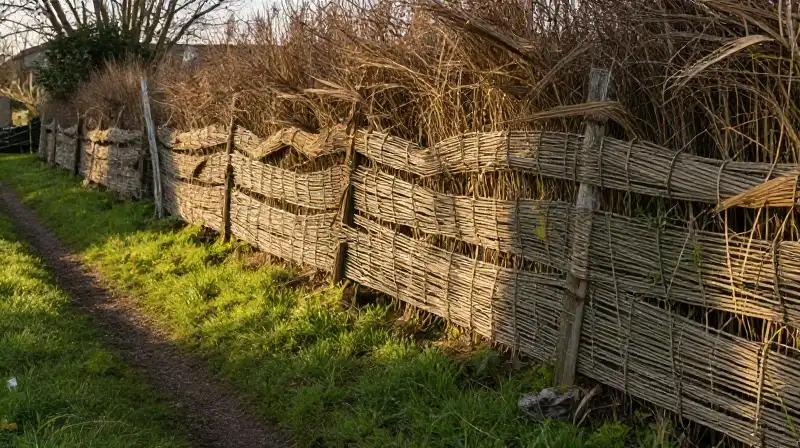
In contrast, the materials used for a willow fence consist of actual willow branches. These branches are typically secured and supported by galvanized wire, which creates a distinctly rustic and robust structure. This material lends itself exceptionally well to a natural, sprawling, or pastoral aesthetic.
- Construction: Interconnected willow branches supported by wire.
- Aesthetic: Naturally rustic, irregular, and earthy; excellent for organic boundary definition.
- Primary Function: Creating strong garden borders, enclosing natural areas, or providing robust exterior privacy.
Practical Applications: Where Natural Fencing Works Best
The versatility of both willow and reed fencing allows them to transcend their function as mere barriers, often serving as central decorative elements. The context of the space dictates which material will achieve the desired impact.
Interior and Office Space Division
When used indoors, the primary goal is often to introduce a natural element without compromising visibility or flow. Reed fencing is ideal here, as its flexibility allows it to be contoured around furniture or workstations. It functions effectively as a substitute for permanent partitions, offering a soft, visually appealing separation for offices, waiting areas, or bedrooms.
Outdoor and Garden Boundary Definition
For exterior applications, especially in commercial settings like resorts or restaurants, willow fencing provides a durable, organic barrier that enhances the natural environment. The rustic nature of a living willow fence contributes significantly to a lush, resort-like ambiance. It is an excellent choice for replacing more severe materials, such as chain-link or rigid wood fencing, where a softer, more integrated look is required.
Installation, Maintenance, and Longevity
 Proper management ensures that the aesthetic benefits of reed and willow fencing last. While these materials are generally affordable and adaptable, they are subject to environmental influences.
Adapting to Space and Design
Both materials are highly adaptable. Reed panels can be cut and modified to specific sizes, fitting into various spatial constraints. Willow fencing can also be adjusted by modifying the underlying wire structure or pruning the branches themselves. This flexibility allows both to transition seamlessly between private area separation and dramatic, large-scale decorative installations, such as headboards or backdrops for events.
Caring for Natural Fencing
* **Protection:** Both types of fencing benefit from protection against direct, harsh weather. Reed fencing should be kept dry to maintain its color and structural integrity, while willow fencing needs to manage its moisture, as the branches are organic. * **Cleaning:** For both materials, gentle cleaning with soft brushes or appropriate natural cleaners is sufficient. Avoid harsh chemicals that could damage the natural cellulose. * **Longevity:** While these materials are durable, their lifespan is tied to exposure. Strategic placement (e.g., positioning panels where they receive indirect light) can significantly extend the perceived quality and color vibrancy.
Selecting the Right Natural Fence: A Decision Criteria
 Choosing between a reed panel and a willow structure requires balancing aesthetic goals with functional needs. Use these criteria to narrow your selection:
| Criteria | Reed Fencing (Peeled) | Willow Fencing (Branch) |
|---|---|---|
| Desired Aesthetic | Contemporary, smooth, uniform, refined. | Rustic, irregular, natural, sprawling. |
| Best Environment | Interior dividers, modern patios, elegant divisions. | Large garden borders, natural privacy screens, rustic outdoor spaces. |
| Primary Function | Space definition, texture, ambient decor. | Boundary creation, strong enclosure, natural screening. |
| Structural Feel | Flexible, pliable, adaptable to precise cuts. | Robust, heavy, naturally robust and irregular. |
Practical Synthesis: Implementation Priorities
 The success of a reed or willow fencing project hinges on a clear understanding of the desired final look. If the priority is a clean, subtle, and visually smooth separation, reed fencing provides the necessary uniform appearance and flexibility. If the goal is to reinforce a wilder, more organic boundary, or to mimic a dense, thriving landscape, the naturally robust structure of a willow fence is the superior choice. Regardless of the material selected, the key to maximizing their appeal is respecting their organic nature through careful placement and gentle maintenance.
How to Maintain and Adapt Reed and Willow Fencing
Adapt Material to Space
Modify reed panels by cutting them to specific sizes to fit spatial constraints, or adjust willow fencing by modifying the underlying wire structure or pruning the branches themselves.
Provide Environmental Protection
Protect both materials from direct, harsh weather. Ensure reed fencing is kept dry to maintain color and structure, while actively managing the moisture levels of willow fencing.
Perform Gentle Cleaning
Clean both reed and willow fencing using only soft brushes or appropriate natural cleaners. Avoid harsh chemicals that could damage the natural cellulose.
Maximize Longevity
Strategically position the panels, for instance, by placing them where they receive indirect light, to significantly extend the perceived quality and color vibrancy of the fencing.
Balance Aesthetic and Function
Choose the installation method and material (reed or willow) based on whether the priority is a clean, smooth visual separation or a robust, wild, and organic boundary.
Related Articles