232 words
1 minute
Which Gloves Are Best for Handling Wet or Slippery Plants in the Garden

Jennifer Hayes Arborist & Tree Specialist
Published: 2026-06-29
The Challenge of Wet Garden Work
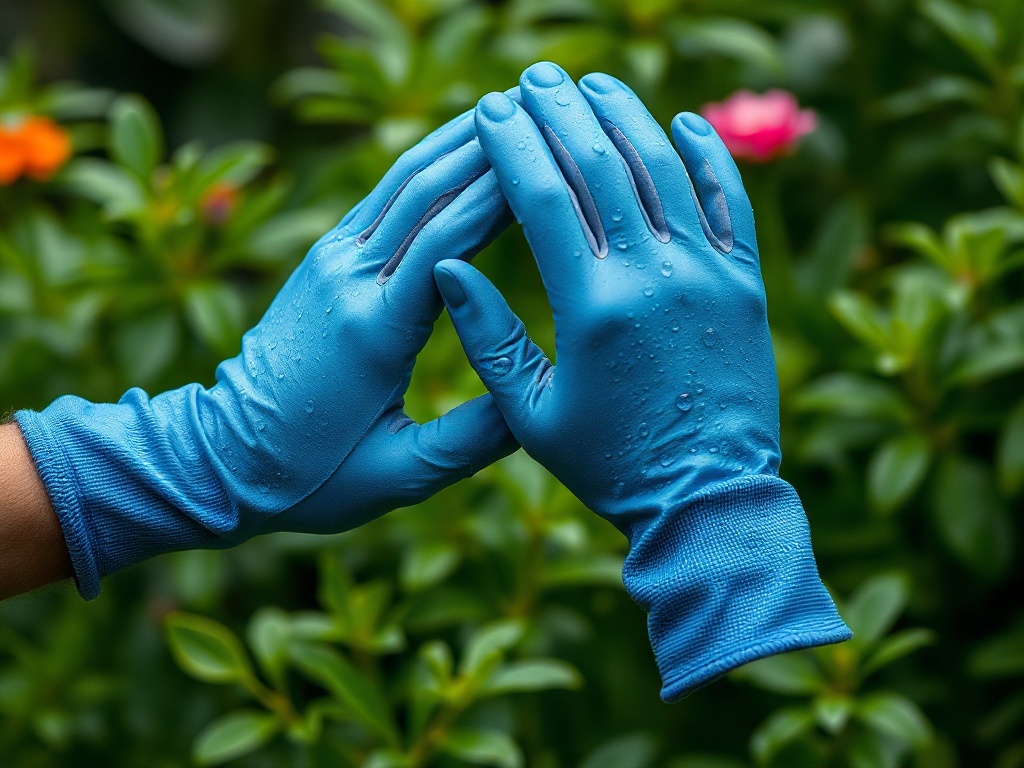
Working with wet plants — whether after rain, morning dew, or during irrigation — requires gloves that provide grip without sacrificing dexterity. Standard cotton or leather gloves become slick and useless when wet.
Best Glove Materials for Wet Conditions
Nitrile-Dipped Gloves
- Grip: Excellent wet grip due to the rubber-like nitrile coating
- Waterproof: Fully waterproof palms and fingers
- Dexterity: Form-fitting fabric backing maintains finger sensitivity
- Best for: General wet gardening, transplanting after rain, harvesting wet vegetables
Latex-Coated Gloves
- Grip: Outstanding wet grip, even better than nitrile
- Waterproof: Yes, fully sealed
- Caution: Latex allergies are common — check before purchasing
- Best for: Precise work with small wet plants, seedling handling
Rubber Gloves (Heavy Duty)
- Grip: Textured palms provide grip even underwater
- Waterproof: Fully waterproof, including the cuff
- Dexterity: Lower than dipped gloves but maximum protection
- Best for: Pond maintenance, moving waterlogged soil, cleaning wet tools
PVC-Coated Gloves
- Grip: Good wet grip with textured finish
- Waterproof: Yes, highly chemical-resistant
- Best for: Using fertilizers or pesticides in wet conditions
Comparison Table
| Feature | Nitrile-Dipped | Latex-Coated | Rubber | PVC |
|---|---|---|---|---|
| Wet Grip | ★★★★☆ | ★★★★★ | ★★★☆☆ | ★★★★☆ |
| Dexterity | ★★★★★ | ★★★★★ | ★★☆☆☆ | ★★★☆☆ |
| Durability | ★★★★☆ | ★★★☆☆ | ★★★★★ | ★★★★☆ |
| Price | $$ | $ | $ | $$ |
Pro Tips for Wet Gardening
- Keep a dry towel nearby to wipe gloves when they get too saturated
- Double up: wear thin nitrile gloves under thicker rubber gloves for warmth + dexterity
- Replace gloves when the coating starts peeling — exposed fabric loses grip
- Store gloves open-side-up to air dry and prevent mildew
Conclusion
For most wet gardening tasks, nitrile-dipped gloves offer the best combination of grip, dexterity, and durability. For precision work, latex-coated can’t be beaten. For heavy-duty wet jobs like pond work, go with rubber.
Written by Jennifer Hayes
Arborist & Tree Specialist
Certified Arborist with 15 years of experience in tree care and urban forestry. ISA Certified Tree Risk Assessment Qualifier. Passionate about sustainable landscape design and native species preservation.
View all articles by Jennifer →
Related Articles
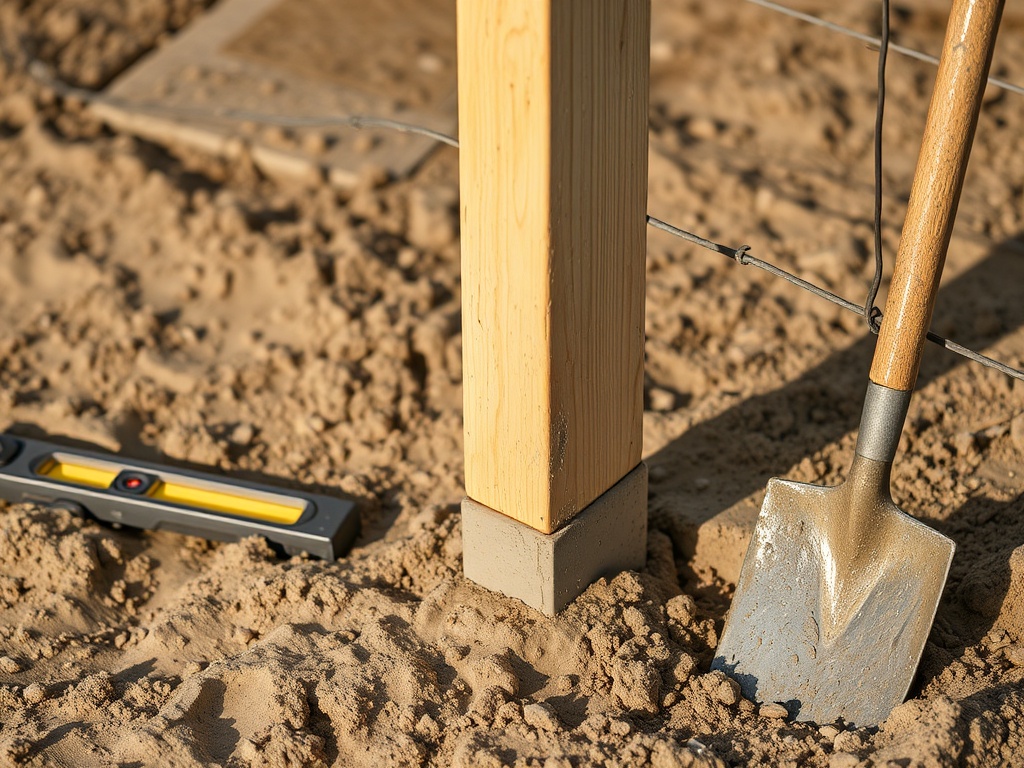
How to Anchor a Fence Securely in Sandy Garden Soil
Learn proven techniques for anchoring fence posts in sandy soil. From concrete footings to gravel stabilization, prevent fence leaning and collapse.
343 words
|
2 minutes
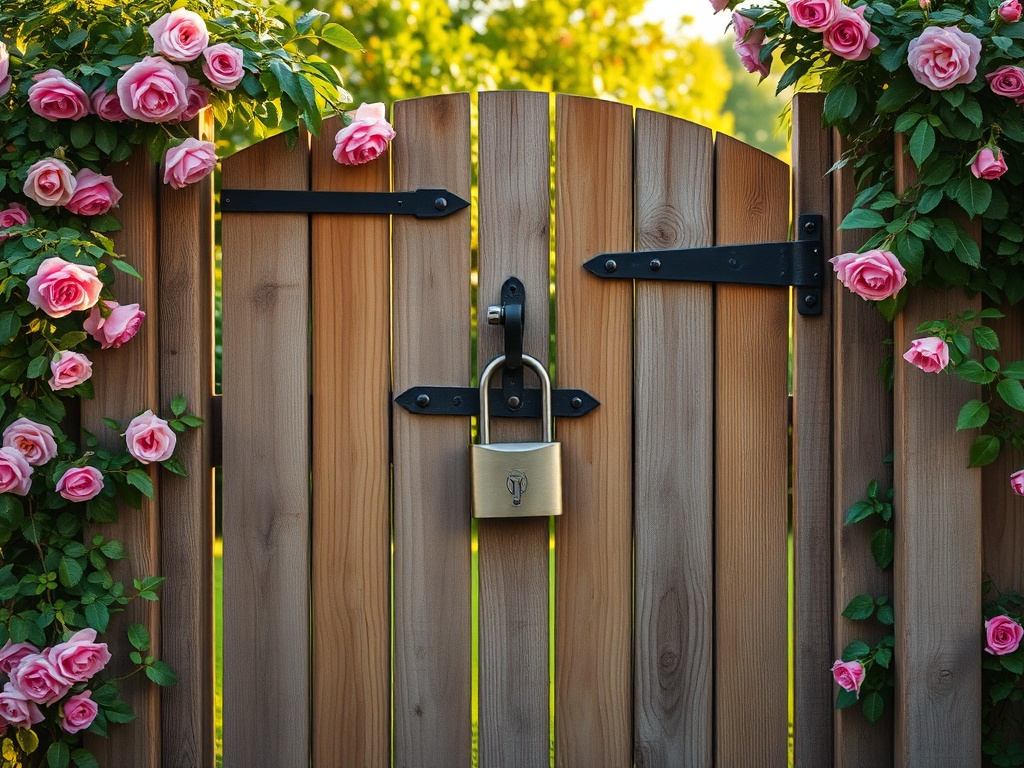
How to Secure a Garden Gate to Prevent Unauthorized Access
Learn practical methods to secure your garden gate against intruders, from heavy-duty locks to smart sensors. Protect your garden with these proven security strategies.
285 words
|
1 minute
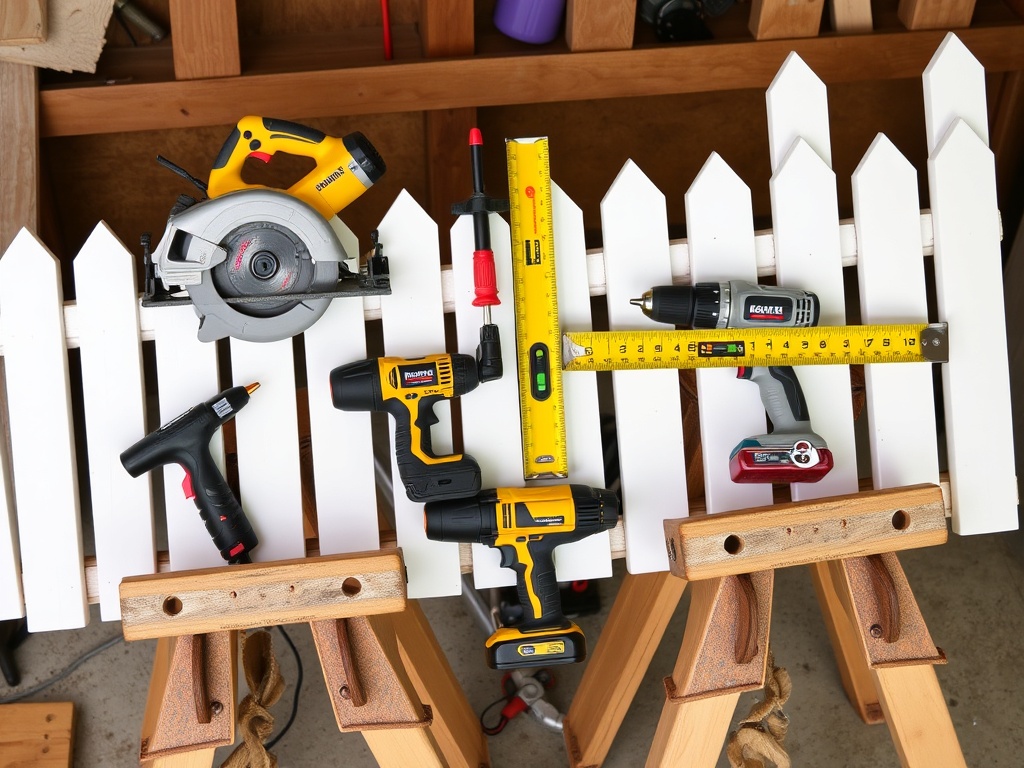
What Tools Are Needed to Build a DIY Garden Picket Fence
Complete tool checklist for building a garden picket fence. From post hole diggers to levels, learn what you need before starting your fence project.
286 words
|
1 minute